
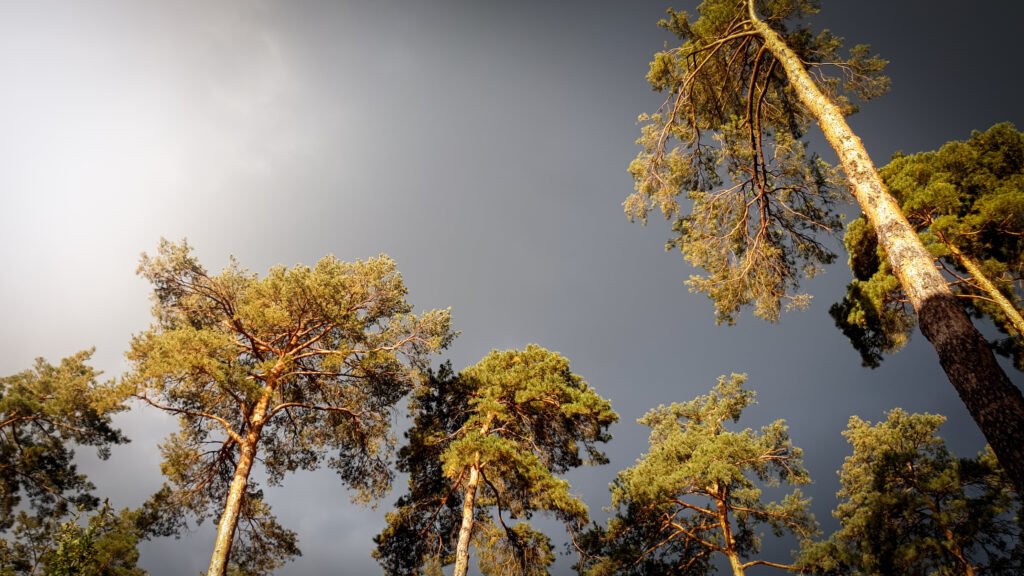
Melbourne weather can affect tree stability in several ways. Strong wind, heavy rain, dry summers, saturated soil, heat stress and sudden weather changes can all place pressure on trunks, roots and branches. A tree may look healthy, but if the root system is weakened, the canopy is too heavy, or decay is present, extreme weather can expose the problem quickly.
This is why regular tree inspections are important, especially for mature trees near homes, driveways, fences, outdoor areas and neighbouring properties. A professional Tree Services Melbourne provider can assess whether a tree needs pruning, monitoring, a Tree Risk Assessment, or tree removal Melbourne work where the risk cannot be managed safely.
Quick Summary
Melbourne weather can affect tree stability through:
- Strong winds placing load on the canopy
- Heavy rain softening the soil
- Saturated ground reducing root anchorage
- Dry periods stressing roots and branches
- Heat causing limb stress in some trees
- Storms exposing hidden defects
- Sudden weather changes increasing failure risk
- Dense canopies catching more wind
- Poor drainage weakening root systems
- Previous pruning wounds becoming decay points
Weather does not usually make a healthy, well-structured tree fail by itself. It often reveals an existing weakness.
Table of Contents
- Why Weather Matters for Tree Stability
- Strong Winds and Canopy Load
- Heavy Rain and Saturated Soil
- Heat, Drought and Branch Stress
- Storm Damage and Hidden Defects
- Trees Most at Risk in Melbourne Weather
- What Homeowners Should Do After Severe Weather
- FAQs
- Summary
- Call Banyan Tree Care
1. Why Weather Matters for Tree Stability
Trees are built to move with weather. Branches bend, trunks flex and roots hold the tree in place. However, stability depends on the condition of the whole tree, including roots, trunk, branch unions, canopy structure and surrounding soil.
Weather becomes a problem when the tree already has:
- Root damage
- Decay
- Cracks
- Heavy limbs
- Poor branch attachments
- Deadwood
- Soil compaction
- Previous storm damage
- Poor drainage
- Unbalanced canopy growth
Melbourne’s changing conditions can place repeated stress on trees. A dry period may weaken the tree, then heavy rain may soften the soil, followed by wind that loads the canopy. This combination can increase the chance of branch failure or whole tree movement.
2. Strong Winds and Canopy Load
Wind is one of the biggest forces acting on trees. A dense canopy acts like a sail. When wind pushes through the canopy, the load transfers through branches, trunk and roots.
Wind-related risk increases when a tree has:
- Dense foliage
- Heavy lateral limbs
- Long overextended branches
- Weak unions
- Deadwood
- Cracks in the trunk
- A lean toward a structure
- Previous lopping regrowth
- Limited root support
Not every windy day is dangerous, but strong gusts can reveal weak points. Large limbs may split, branches may tear out, or roots may shift if anchorage is poor.
Selective pruning can sometimes reduce wind load, especially where deadwood, heavy end-weight or poor branch structure is present. Harsh tree lopping should be avoided because it can create weak regrowth and future failure points.
3. Heavy Rain and Saturated Soil
Heavy rain affects more than leaves and branches. It changes the soil around the roots.
When soil becomes saturated, it can lose strength. Roots may not hold as firmly, especially in clay soils, compacted ground, poorly drained gardens or areas where roots have already been damaged.
Warning signs after rain include:
- Sudden leaning
- Soil lifting near the base
- Cracks in the ground
- Exposed roots
- Water pooling around the trunk
- Soft soil around the root plate
- Branches dropping after wet weather
A tree that stands safely in dry soil may become less stable when the ground is waterlogged. This is especially important for mature trees near buildings, retaining walls, driveways and fences.
If you notice soil movement or a new lean after rain, arrange an arborist inspection quickly.
4. Heat, Drought and Branch Stress
Hot weather and dry periods can also affect tree stability. Drought stress reduces the tree’s ability to maintain healthy foliage, roots and branches. Some trees may drop limbs when under stress, even if the canopy still looks mostly green.
Heat and dryness can contribute to:
- Deadwood formation
- Smaller leaves
- Canopy thinning
- Branch dieback
- Reduced root vitality
- Cracking in stressed limbs
- Increased pest activity
- Weak response to wounds
Trees under drought stress may become more vulnerable when heavy rain or wind arrives later. The tree has already been weakened, and the weather adds extra pressure.
Mulching, deep watering during dry periods and protecting root zones can help support tree health. However, watering alone will not fix decay, structural weakness or root failure.
5. Storm Damage and Hidden Defects
Storms often expose defects that were already present.
A tree may fail during a storm because of:
- Internal trunk decay
- Hollow limbs
- Weak branch unions
- Included bark
- Root rot
- Previous root cutting
- Old lopping wounds
- Heavy canopy imbalance
- Deadwood caught inside the crown
The tree may have looked healthy before the storm because leaves were still present. Structural defects are often hidden inside the trunk, branch unions or root system.
After a storm, check trees from a safe distance. Look for hanging branches, split limbs, fresh cracks, sudden leaning, lifted soil, broken roots or branches resting on other branches.
Do not stand under damaged trees or attempt large branch removal yourself. Storm-damaged trees can be under tension and may move suddenly when cut.
6. Trees Most at Risk in Melbourne Weather
Any tree can be affected by severe weather, but some situations increase risk.
Higher-risk trees include:
- Mature gum trees close to homes
- Trees with large limbs over driveways
- Trees in compacted soil
- Trees near recent excavation
- Trees beside retaining walls
- Trees with previous lopping damage
- Trees with visible fungi or cavities
- Trees that have dropped branches before
- Trees growing in poorly drained areas
- Trees exposed after nearby trees were removed
Location matters. A defective tree in a quiet back corner may be lower risk than the same tree over a bedroom, car space, school yard or public footpath.
A qualified tree service can assess both the tree condition and the surrounding targets.
7. What Homeowners Should Do After Severe Weather
After strong wind, heavy rain or storms, inspect your trees safely from the ground.
Look for:
- Broken or hanging branches
- Fresh cracks in the trunk
- New leaning
- Soil movement near roots
- Fungal growth near the base
- Dead branches caught in the canopy
- Branches touching roofs or gutters
- Damage to fences, sheds or vehicles
- Exposed roots
- Sudden canopy gaps
You should call a professional if the tree is near a structure, access point, car, neighbouring property or high-use area.
Early action may involve pruning, branch removal, canopy reduction, risk assessment or emergency tree work. If the tree is unstable, a professional Tree Removal Service may be required.
FAQs
1. Can Melbourne weather make a healthy tree fall?
Severe weather can contribute to tree failure, but healthy trees are usually resilient. Most falls occur when storms expose existing issues like decay, weak roots, or poor structure. Wind and saturated soil increase stress and reduce anchorage. Regular inspections help identify risks early.
2. Why do trees fall after heavy rain?
Heavy rain saturates soil, weakening root support and anchorage. If roots are shallow, damaged, or decayed, trees become unstable. Wind after rain adds extra force on a softened base. Signs like soil lifting or sudden leaning need urgent inspection.
3. Does wind damage trees even if branches do not break?
Yes. Wind can strain roots, trunks, and branch unions without visible breakage. Repeated stress may worsen hidden cracks or loosen roots. New leaning, splits, or soil movement after storms should be checked by a tree services Melbourne professional.
4. Can pruning make trees safer before storms?
Yes, selective pruning removes deadwood, weak branches, and heavy limbs, reducing storm load. However, excessive lopping can weaken structure over time. Proper pruning by an arborist improves safety while maintaining tree health and balance.
5. Which trees are most vulnerable during storms?
Trees with decay, root damage, weak unions, dense canopies, or past lopping are most at risk. Those near buildings or in poor soil conditions are also vulnerable. Arborist assessment helps determine if pruning, monitoring, or removal is needed.
6. When should I call for emergency tree work?
Call immediately if a tree falls, splits, leans suddenly, or drops large limbs. Also act if it blocks access or threatens property. Stay clear and avoid DIY removal. A tree removal Melbourne team can safely manage hazards.
Summary
Melbourne weather affects tree stability through wind, rain, saturated soil, heat, drought and sudden storm events. Weather rarely works alone. It usually exposes existing problems such as decay, root damage, weak unions, poor pruning or canopy imbalance.
Homeowners should pay attention after storms, heavy rain and long dry periods. If you notice leaning, cracks, branch drop, fungi, soil movement or hanging limbs, arrange a professional tree inspection. Early assessment can prevent emergency tree work and help decide whether pruning, monitoring or removal is required.
Call Banyan Tree Care for Tree Stability Inspections in Melbourne
If you are concerned about how Melbourne weather is affecting your trees, Banyan Tree Care can inspect them and recommend the safest next step.
We provide tree inspections, Tree Risk Assessments, storm damage checks, pruning, canopy reduction, emergency tree work, stump grinding and safe tree removal Melbourne services for residential and commercial properties. Call Banyan Tree Care on 0432 277 627 to arrange a professional tree assessment.