
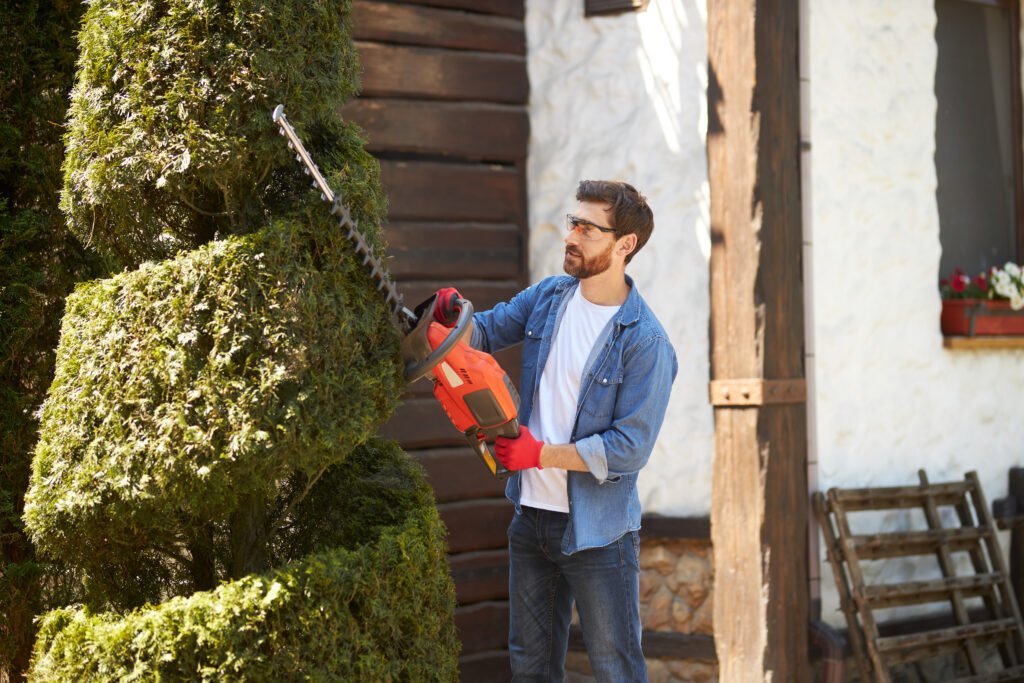
A tree can look green, full and healthy but still keep dropping branches because canopy health and structural safety are not the same thing. Leaves may show that the tree is still producing energy, but they do not always reveal weak branch unions, internal decay, storm damage, poor past pruning, heavy limb weight or hidden stress.
In Melbourne, repeated branch drop is common in mature trees, gum trees, overextended backyard trees and trees exposed to wind, heat, drought or changing soil conditions. Sometimes branch shedding is minor and manageable. Other times, it is a sign that the tree needs professional pruning, a tree risk assessment, or in more serious cases, safe Tree Removal.
Quick Summary
A healthy-looking tree may keep dropping branches because of:
- Deadwood hidden inside the canopy
- Heavy or overextended limbs
- Weak branch unions
- Internal decay
- Storm or wind stress
- Drought stress
- Sudden changes in soil moisture
- Previous poor pruning or lopping
- Pest or fungal activity
- Natural branch shedding in some species
- Root damage from excavation or landscaping
If branches are large, repeated, or falling near people or property, arrange an arborist inspection.
Table of Contents
- Why Healthy Trees Still Drop Branches
- Natural Shedding vs Warning Signs
- Common Causes of Repeated Branch Drop
- What an Arborist Looks For
- Can Pruning Reduce Branch Drop?
- When Branch Drop Becomes a Safety Risk
- What Homeowners Should Avoid
- FAQs
- Summary
- Call Banyan Tree Care
1. Why Healthy Trees Still Drop Branches
A tree can have a full canopy and still contain weak, dead or damaged limbs. This is because a tree does not always decline evenly. One section may be healthy while another section has decay, cracks, poor attachment or storm damage.
Trees also naturally shed branches as part of their growth. Smaller twigs and minor deadwood may not be unusual, especially in mature trees. The concern increases when branches are large, heavy, repeated or falling into high-use areas.
A professional tree inspection looks beyond leaf colour. It considers canopy structure, branch unions, deadwood, trunk condition, root health, wind exposure and what the branch could hit if it fails.
2. Natural Shedding vs Warning Signs
Some branch shedding is normal. Many trees drop small dead twigs, old growth or shaded internal branches. Gum trees and eucalyptus trees can also shed limbs naturally, especially during stress.
However, repeated branch drop should be taken seriously if:
- Branches are large
- Branches fall during calm weather
- The same area keeps failing
- Branches are falling near roofs or driveways
- The tree has cracks or cavities
- Fungal growth is visible
- The canopy looks unbalanced
- The tree recently had construction nearby
- The tree has been heavily lopped before
Natural shedding usually involves smaller material. Larger limb failure may indicate structural weakness or environmental stress.
3. Common Causes of Repeated Branch Drop
There are several reasons a tree may keep dropping branches even when it looks healthy.
Common causes include:
Deadwood in the canopy
Dead branches can remain hidden among green foliage until wind or gravity brings them down.
Heavy lateral limbs
Long limbs with too much end weight are more likely to fail, especially during wind, heat or after rain.
Weak branch unions
Branches with narrow angles, included bark or poor attachment can split away from the trunk.
Internal decay
Decay inside a branch or trunk may not be obvious from the outside. The branch may look alive until it fails.
Weather stress
Heat, drought, heavy rain and strong wind can increase the chance of branch failure.
Previous poor pruning
Tree lopping or harsh cutting can create weak regrowth and decay points. These may become future failure points.
Root disturbance
Excavation, trenching, paving or soil compaction can stress the tree and affect canopy stability.
4. What an Arborist Looks For
An arborist does not judge the tree by appearance alone. They inspect the whole structure and the surrounding site.
They may check:
- Tree species and growth habit
- Deadwood volume
- Branch attachment points
- Cracks or splits
- Cavities or hollow sections
- Fungal fruiting bodies
- Canopy weight distribution
- Previous pruning wounds
- Storm damage
- Root flare condition
- Soil compaction
- Recent excavation or landscaping
- Risk to people, buildings and vehicles
For mature or high-risk trees, the arborist may recommend a formal Tree Risk Assessment. This helps identify whether pruning, monitoring, cabling, bracing or tree removal is the safest option.
5. Can Pruning Reduce Branch Drop?
Yes, proper pruning can reduce some branch drop risks. The key word is proper. Cutting randomly or heavily lopping the tree can make the problem worse.
Professional pruning may include:
- Deadwood removal
- Removing broken or hanging limbs
- Reducing end weight on heavy branches
- Crown thinning where suitable
- Clearance pruning near roofs or driveways
- Structural pruning for young trees
- Removing branches with poor attachment
The goal is to reduce known hazards while keeping enough healthy canopy for the tree to function. Over-pruning can stress the tree, expose limbs to sunburn, create decay wounds and encourage weak regrowth.
Good pruning is selective and based on the tree’s structure, species and condition.
6. When Branch Drop Becomes a Safety Risk
Branch drop becomes more serious when falling limbs can hit people, buildings, cars or public areas.
Higher-risk locations include:
- Children’s play areas
- Driveways
- Outdoor entertaining areas
- Bedrooms and rooflines
- Footpaths
- Schools
- Commercial sites
- Car parks
- Neighbouring properties
- Pool areas
A small branch falling in a garden bed may be low risk. A heavy limb over a roof or driveway is different.
If branches are dropping repeatedly, the tree should be inspected before the next storm or hot weather period. Early action is usually safer and less expensive than emergency tree work after damage occurs.
7. What Homeowners Should Avoid
If your tree keeps dropping branches, avoid quick fixes that create bigger problems.
Do not:
- Stand under the tree during wind
- Cut large limbs yourself
- Ignore repeated branch failure
- Assume green leaves mean the tree is safe
- Lop the canopy to reduce height
- Remove major branches without diagnosis
- Cut roots to “solve” surface root issues
- Park under suspect limbs
- Delay inspection after storm damage
- Accept advice from anyone who has not inspected the tree properly
A falling branch problem needs proper assessment, not guesswork.
FAQs
1. Is it normal for trees to drop branches?
Yes, small branch drop like twigs or minor deadwood is normal, especially in mature trees. Concern arises when large branches fall, it happens repeatedly, or during calm weather. If branches are near homes, driveways or people, an arborist should assess whether it’s natural shedding or a structural issue.
2. Why does my gum tree keep dropping branches?
Gum trees may drop branches due to natural shedding, heat, drought, heavy limbs, weak attachments or hidden decay. Even healthy-looking trees can have weak limbs. Large or repeated branch drop near buildings should be checked. Proper pruning can help, but heavy lopping often increases future risk.
3. Can a tree be healthy and dangerous at the same time?
Yes. A tree can have healthy leaves but still be structurally unsafe. Internal decay, cracks, weak unions or heavy limbs may not be visible. Tree safety depends on structure, not just foliage. That’s why arborists assess defects and targets, not only canopy health.
4. Will pruning stop my tree from dropping branches?
Pruning can reduce risk by removing deadwood, weak or heavy limbs, but it cannot guarantee no future branch drop. Poor pruning can worsen problems. Correct, targeted pruning improves safety, while over-cutting or lopping can create decay and weak regrowth. Arborist advice is essential.
5. Should I remove a tree that keeps dropping branches?
Not always. Many trees can be managed with pruning, weight reduction or monitoring. Removal is only recommended if there is severe decay, repeated major failures, root instability or high risk to people or property. An arborist assessment should guide the decision, especially for protected trees.
6. When should I call a tree service?
Call a tree service if large branches are falling, drops are repeated, or there are signs like cracks, fungi, cavities, deadwood or sudden leaning. Also call after storms or heat stress. Early inspection helps prevent damage and determines if pruning, monitoring or removal is needed.
Summary
A tree can look healthy and still keep dropping branches because leaf growth does not always reflect structural safety. Repeated branch drop may be caused by deadwood, weak unions, hidden decay, storm damage, weather stress, heavy limbs or poor previous pruning.
Small natural shedding may not be a major concern, but large or repeated branch failure should be inspected. Professional pruning can often reduce risk, while unsafe trees may need further assessment or removal where the risk cannot be managed.
Call Banyan Tree Care for Branch Drop Inspections in Melbourne
If your tree keeps dropping branches, Banyan Tree Care can inspect it and explain whether the issue is normal, manageable or unsafe.
We provide tree inspections, Tree Risk Assessments, pruning, deadwood removal, storm damage checks, canopy reduction, Stump Grinding and safe tree removal across Melbourne. Call Banyan Tree Care on 0432 277 627 to arrange a professional tree assessment.