
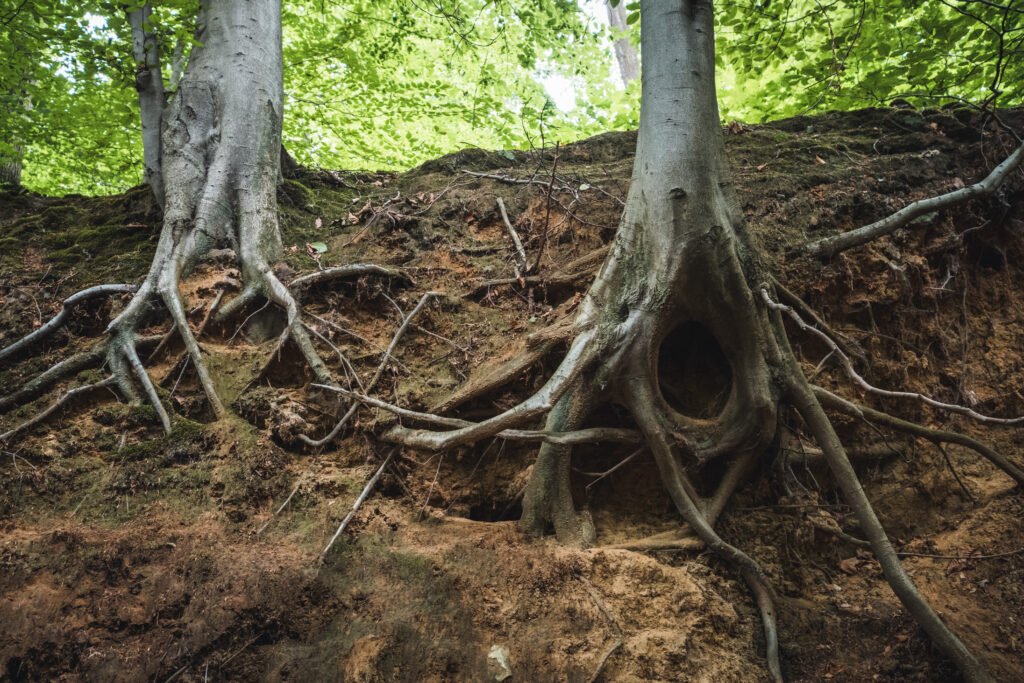
To protect a tree and its roots during construction, you need to plan before digging starts. Most construction damage happens below ground, through root cutting, soil compaction, trenching, level changes, vehicle movement and storage of materials inside the tree’s root zone. By the time canopy dieback appears, the damage may already be serious.
In Melbourne, tree protection during construction is especially important for renovations, extensions, new homes, unit developments, driveways, pools, retaining walls, drainage work and fencing. If a tree is protected or close to building works, council may request an Arborist Report, Arboricultural Impact Assessment or Tree Protection Plan. AS 4970:2025 is the current Australian Standard for protecting trees on development sites and provides guidance on retaining, protecting and integrating trees during development.
Quick Summary
To protect a tree during construction:
- Involve an arborist before plans are finalised
- Identify the Tree Protection Zone
- Protect the Structural Root Zone
- Install tree protection fencing
- Keep machinery away from roots
- Avoid trenching near the trunk
- Do not store materials under the canopy
- Avoid cutting roots without approval
- Use hand digging or non-destructive digging where needed
- Follow council and arborist requirements
Root protection should begin before demolition, excavation or site access starts.
Table of Contents
- Why Tree Roots Are Vulnerable During Construction
- Get an Arborist Involved Early
- Set Up a Tree Protection Zone
- Avoid Root Cutting and Soil Compaction
- Manage Excavation, Services and Driveways Carefully
- Protect the Tree During the Whole Project
- Common Mistakes to Avoid
- FAQs
- Summary
- Call Banyan Tree Care
1. Why Tree Roots Are Vulnerable During Construction
Tree roots are often wider and shallower than people expect. Many important absorbing roots grow in the upper layers of soil, where they collect water, oxygen and nutrients. Construction activity can damage these roots even when the trunk and branches look untouched.
Common construction impacts include:
- Excavation through roots
- Soil compaction from machinery
- Trenching for services
- Grade changes around the trunk
- Concrete washout near roots
- Stockpiling soil under the canopy
- Cutting roots for footings
- Installing fences or retaining walls
- Parking vehicles over root zones
- Changing drainage patterns
A tree may not decline immediately. Symptoms can appear months or years later as canopy thinning, deadwood, leaf scorch, fungal activity, poor growth, branch drop or instability.
2. Get an Arborist Involved Early
The best time to protect a tree is before the builder starts work. Early arborist advice can prevent design changes, council delays and avoidable tree damage.
An arborist can help with:
- Tree identification
- Tree health assessment
- Structural assessment
- Root zone assessment
- Tree Protection Zone advice
- Structural Root Zone advice
- Arborist Reports
- Arboricultural Impact Assessments
- Tree Protection Plans
- Root pruning recommendations
- Council permit support
- Construction supervision
Some councils specifically require arborist input when works are proposed within a Tree Protection Zone. Yarra Ranges Council, for example, states that works within a Tree Protection Zone may impact the tree and that an arborist report is required, with the impact assessment referencing AS 4970:2025.
If your plans include excavation, paving, drainage, retaining walls or building close to trees, get advice before submitting or finalising drawings.
3. Set Up a Tree Protection Zone
A Tree Protection Zone, often called a TPZ, is the area around a tree that should be protected from construction activity. It protects roots, soil, trunk and canopy.
A TPZ may need:
- Temporary fencing
- Clear signage
- Mulch over protected soil
- No machinery access
- No parking
- No stockpiling
- No fuel or chemical storage
- No trenching unless approved
- No level changes
- Arborist supervision for approved works
The fencing should be installed before demolition or site preparation begins. Once builders are on site, it becomes much harder to stop accidental damage.
The TPZ is not just a line on a plan. It must be treated as a protected area throughout the project.
4. Avoid Root Cutting and Soil Compaction
Root cutting is one of the biggest risks during construction. Cutting a small number of fine roots may be manageable, but cutting large structural roots can affect tree stability and long-term health.
Before cutting roots, consider:
- How close are the roots to the trunk?
- Are they structural roots?
- Is the tree leaning?
- What species is the tree?
- Is the tree protected?
- Will cutting roots affect stability?
- Can the design be changed?
- Is arborist supervision needed?
Soil compaction is another major issue. Heavy machinery, repeated foot traffic, skip bins and stored materials can squeeze air spaces out of the soil. Roots need oxygen as well as water. Compacted soil can slowly suffocate the root system.
Protection may include fencing, ground protection mats, mulch, restricted access paths and clear instructions for trades.
5. Manage Excavation, Services and Driveways Carefully
Many trees are damaged during ordinary construction tasks, not major tree work.
High-risk works include:
- Sewer trenches
- Stormwater trenches
- Electrical conduit
- NBN or service lines
- Driveway excavation
- Pool excavation
- Fence post holes
- Retaining wall footings
- Decking posts
- Concrete paths
- Crossovers
Where works must occur near roots, an arborist may recommend hand digging, hydro excavation, air excavation, bridging over roots, pier and beam footing systems, service rerouting or modified construction methods.
For driveways and paths, permeable surfaces and minimal excavation may help reduce impact. For retaining walls, moving the wall or changing footing design may protect major roots.
Good Tree Services in Melbourne should work with builders, landscapers and property owners to find practical solutions.
6. Protect the Tree During the Whole Project
Tree protection is not a one-day task. Trees need protection from the planning stage through to final landscaping.
During construction, monitor for:
- Damaged fencing
- Materials stored in the TPZ
- Soil level changes
- Broken branches
- Bark damage
- Root exposure
- Machinery marks
- Trenching near roots
- Concrete washout
- Drainage changes
After construction, the tree may need follow-up care such as mulch, watering, soil improvement, deadwood removal or monitoring. Avoid heavy pruning immediately after root damage unless there is a safety reason. The tree may need canopy to recover.
An arborist can inspect the tree after works and recommend maintenance if stress signs appear.
7. Common Mistakes to Avoid
Avoid these mistakes during construction near trees:
- Calling an arborist after excavation has started
- Assuming roots only grow under the canopy
- Letting builders park inside the TPZ
- Storing bricks, soil or timber near the trunk
- Cutting roots for convenience
- Raising soil levels around the trunk
- Installing services through major root zones
- Damaging bark with machinery
- Removing protection fencing too early
- Ignoring neighbouring or council trees
Most tree damage during construction is preventable. The earlier the planning starts, the easier it is to protect the tree.
FAQs
1. What is a Tree Protection Zone?
A Tree Protection Zone is a fenced area around a tree to protect roots, soil, trunk and canopy during construction. It restricts access, preventing machinery, storage, trenching and parking. It reduces root damage and soil compaction and is usually set by an arborist.
2. Can I build close to a tree?
Yes, if the design protects key roots and tree stability. An arborist assesses the TPZ, SRZ, excavation and methods. Solutions may include pier footings, bridging roots, service rerouting or supervised works. Council approval is often required.
3. How do I protect roots during excavation?
Avoid trenching in root zones, use hand or non-destructive digging, reroute services and keep machinery away. Do not cut large roots without arborist advice. Protect exposed roots from drying and get them assessed before continuing work.
4. What happens if tree roots are damaged during construction?
Root damage can lead to decline, deadwood, decay, instability or tree failure. Symptoms may be delayed. If roots are cut or exposed, stop work near the tree and contact an arborist immediately for assessment and advice.
5. Do I need an Arborist Report before construction?
An Arborist Report is often required near protected, significant, neighbouring or council trees. It’s commonly needed for renovations, extensions, driveways, pools and developments. It helps councils assess impacts and required tree protection.
6. Can Banyan Tree Care help before building starts?
Yes. We provide pre-construction tree inspections, Arborist Reports, Tree Protection Plans, root protection advice, pruning guidance, council support and approved tree services to help protect trees during building works.
Summary
Protecting a tree during construction starts before digging begins. The main risks are root cutting, soil compaction, trenching, machinery movement, level changes and poor site access planning. A Tree Protection Zone, arborist advice and clear site controls can prevent long-term tree decline.
If construction is planned near mature, protected, neighbouring or council trees, involve an arborist early. Proper planning can protect the tree, support council approval and reduce the risk of expensive problems later.
Call Banyan Tree Care for Tree Protection Advice in Melbourne
If you are building, renovating or landscaping near trees, Banyan Tree Care can inspect the site and recommend the safest way to protect them.
We provide Arborist Reports, Tree Protection Plans, Arboricultural Impact Assessments, Tree Protection Zone advice, root protection guidance, pruning recommendations, stump grinding, tree removal where approved and professional tree services across Melbourne. Call Banyan Tree Care on 0432 277 627 to arrange a professional arborist assessment.