
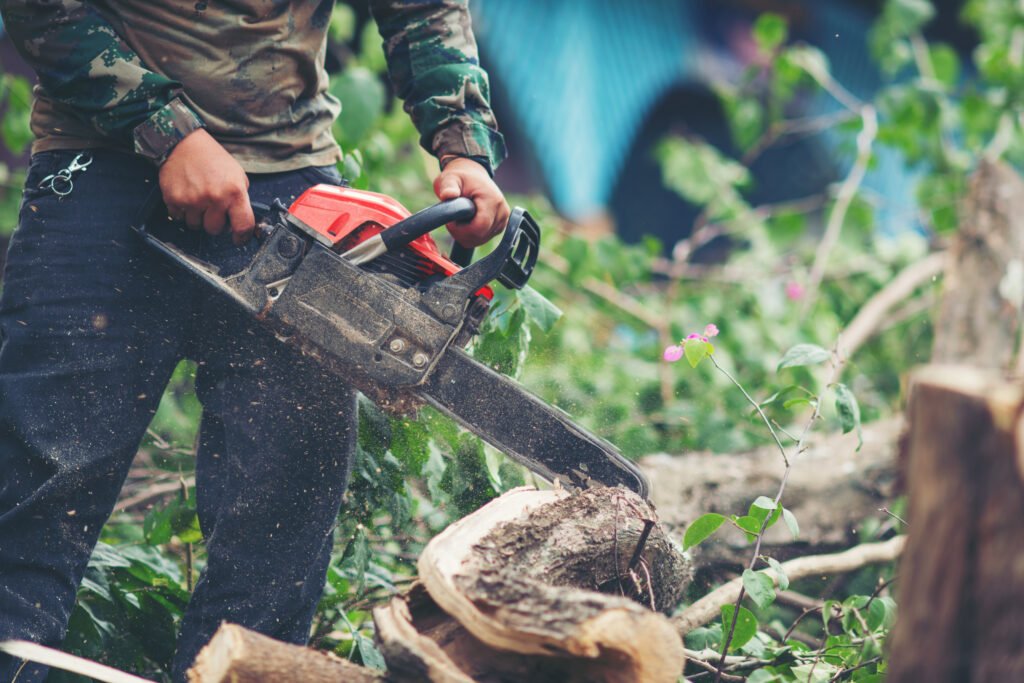
The best time for tree service depends on what the tree needs. Tree removal can usually be done at any time of year if the tree is dead, dangerous, storm damaged or causing property risk. Tree pruning is often best during cooler months for many species, while urgent work should never wait for the “perfect season” if safety is involved.
In Melbourne, weather, council rules, tree species, growth cycles and property access all affect timing. A qualified arborist can advise whether you need pruning, canopy reduction, stump grinding, tree risk assessment or Tree Removal Melbourne services now, or whether the work can safely wait.
Quick Summary
The best timing depends on the job:
- Dead tree removal: as soon as practical
- Dangerous tree removal: urgent
- Storm damaged tree work: immediately
- General pruning: often cooler months
- Clearance pruning: before branches touch roofs or gutters
- Palm pruning: when dead fronds become unsafe or messy
- Stump grinding: after tree removal or before landscaping
- Construction tree advice: before plans are finalised
- Council permit work: before booking removal
- Tree health inspections: before major weather changes
Safety, tree health and council approval matter more than the season alone.
Table of Contents
- Best Time for Tree Removal
- Best Time for Tree Pruning
- When Emergency Tree Work Should Be Done
- Seasonal Tree Services in Melbourne
- Tree Service Before Renovations or Landscaping
- Council Permits and Timing
- Common Mistakes to Avoid
- FAQs
- Summary
- Call Banyan Tree Care
1. Best Time for Tree Removal
Tree removal can usually be completed at any time of year, provided the work is safe and any required council approval has been obtained.
Removal should not be delayed when a tree is:
- Dead
- Structurally unsafe
- Leaning dangerously
- Cracked or splitting
- Storm damaged
- Dropping large limbs
- Damaging structures
- Blocking construction access
- A risk to people or property
For non-urgent tree removal, many Melbourne homeowners prefer to book during cooler months because gardens are easier to access, lawns are less active and summer heat is avoided. However, timing should be based on the tree’s risk, not convenience alone.
If the tree is protected, council approval may be needed before removal. An Arborist Report may also be required.
2. Best Time for Tree Pruning
The best time for tree pruning depends on the species, reason for pruning and current tree condition.
In many cases, pruning is suitable during late autumn and winter because the tree is under less heat stress and structure may be easier to see. This can be helpful for:
- Structural pruning
- Deadwood removal
- Canopy reduction
- Crown thinning
- Clearance pruning
- Corrective pruning
- Young tree training
Some trees may respond better at different times, so species matters. Pruning at the wrong time or removing too much canopy can stress the tree, encourage weak regrowth or increase sun exposure.
Professional Tree Pruning Melbourne services should focus on what the tree needs, not simply cutting for appearance.
3. When Emergency Tree Work Should Be Done
Emergency tree work should be done as soon as the area is safe to access. Do not wait for a better season if a tree has already failed or is likely to fail.
Call for urgent tree services if:
- A tree has fallen
- A large limb is hanging
- A trunk has split
- A tree is leaning suddenly
- Branches are resting on a roof
- Access is blocked
- A tree has damaged a fence, shed or car
- Storm damage has created a hazard
- The tree is near public access
- Powerlines may be involved
Storm damaged trees can be dangerous because branches may be under tension. Avoid standing under damaged limbs or attempting large cuts yourself.
Emergency tree removal Melbourne work is about making the site safe first. Cleanup, stump grinding and replacement planting can be planned after the immediate risk is managed.
4. Seasonal Tree Services in Melbourne
Melbourne’s weather can change quickly, so seasonal planning is useful.
Autumn is a good time to inspect trees after summer heat. Look for deadwood, canopy thinning, branch dieback and signs of drought stress.
Winter is often suitable for structural pruning, canopy work and many non-urgent tree services because trees are under less heat pressure.
Spring is useful for checking new growth, pest issues, flowering trees, storm preparation and tree health recovery.
Summer is a time to monitor heat stress, dry soil, branch drop and irrigation. Avoid unnecessary heavy pruning during heat unless safety requires it.
Seasonal timing helps, but the tree’s condition should always guide the decision.
5. Tree Service Before Renovations or Landscaping
The best time to call an arborist for renovations, extensions, driveways, fencing, pools or landscaping is before the design is finalised.
Early arborist advice can help with:
- Tree Protection Zones
- Root zone protection
- Tree retention options
- Tree removal applications
- Arborist Reports
- Council permit support
- Root pruning advice
- Access planning
- Stump removal
- Replacement planting
Many project delays happen because tree issues are discovered after plans are already prepared. If roots, protected trees or neighbouring trees are affected, council may request further documentation.
Getting advice early can prevent redesigns, permit delays and accidental tree damage.
6. Council Permits and Timing
Council rules vary across Melbourne. Some trees can be removed or pruned without approval, while others may be protected by local laws, overlays, species rules, size requirements or permit conditions.
Before booking tree removal, check:
- Is the tree protected?
- Is council approval required?
- Is an Arborist Report needed?
- Is the tree on a development site?
- Is it a neighbouring or boundary tree?
- Is the tree dead or dangerous?
- Are replacement planting conditions likely?
If council approval is required, the best time to start is before the work becomes urgent. Waiting until a tree is dangerous can make the situation more stressful and harder to manage.
A qualified arborist can help document the tree’s condition and explain whether pruning, retention or removal is appropriate.
7. Common Mistakes to Avoid
Avoid these mistakes when timing tree service:
- Waiting until a dead tree fails
- Booking removal before checking council rules
- Heavy pruning during extreme heat
- Ignoring storm damaged limbs
- Cutting roots during landscaping
- Delaying arborist advice until building plans are final
- Choosing tree lopping instead of proper pruning
- Removing too much canopy at once
- Forgetting stump grinding before landscaping
- Comparing quotes without checking qualifications
The right timing can reduce risk, protect tree health and avoid unnecessary costs.
FAQs
1. What is the best season for tree removal in Melbourne?
Tree removal can be done year-round if the tree is unsafe, dead or storm damaged. Cooler months are often preferred for easier access and less garden impact. However, safety, tree condition and council approval are more important than season. Dangerous trees should be removed immediately.
2. When is the best time for tree pruning?
Late autumn and winter are often best for pruning as trees are less stressed and structure is clearer. Timing still depends on species, health and purpose. Deadwood, broken branches and safety issues should be addressed whenever needed, regardless of season.
3. Should I book tree services before storm season?
Yes. Pre-storm inspections help identify weak branches, decay and structural risks early. Preventive pruning reduces the chance of storm damage and emergency tree work. It is a proactive way to improve safety and protect property.
4. Can tree removal be done in summer?
Yes, tree removal can be done in summer if safe. Dead or dangerous trees should not wait. However, heavy pruning in extreme heat may stress healthy trees. An arborist can advise the safest timing based on conditions.
5. When should stump grinding be done?
Stump grinding is best done soon after tree removal, especially before landscaping or construction. It removes trip hazards and clears space for new use. Depth should be planned if future building or planting is expected.
6. When should I call an arborist for council approval?
Call an arborist before removing or pruning protected or significant trees, or before building near them. Early advice helps with permits, reports and compliance. It also clarifies whether pruning, retention or removal is appropriate.
Summary
The best time for tree service depends on the type of work. Tree removal can be done any time if the tree is unsafe or causing risk. Pruning is often best in cooler months for many species, but emergency work should never be delayed. Stump grinding, root advice, council reports and construction-related tree services should be planned early.
For Melbourne properties, the safest approach is to have trees inspected before problems become urgent. A qualified arborist can recommend the right timing for pruning, removal, stump grinding, risk assessment or ongoing tree care.
Call Banyan Tree Care for Tree Services in Melbourne
If you are unsure when to book tree work, Banyan Tree Care can inspect your tree and recommend the best timing.
We provide tree inspections, tree pruning, canopy reduction, storm damage work, Stump Grinding, Arborist Reports, council permit support, emergency tree services and professional tree removal Melbourne services. Call Banyan Tree Care on 0432 277 627 to arrange a professional arborist assessment.