
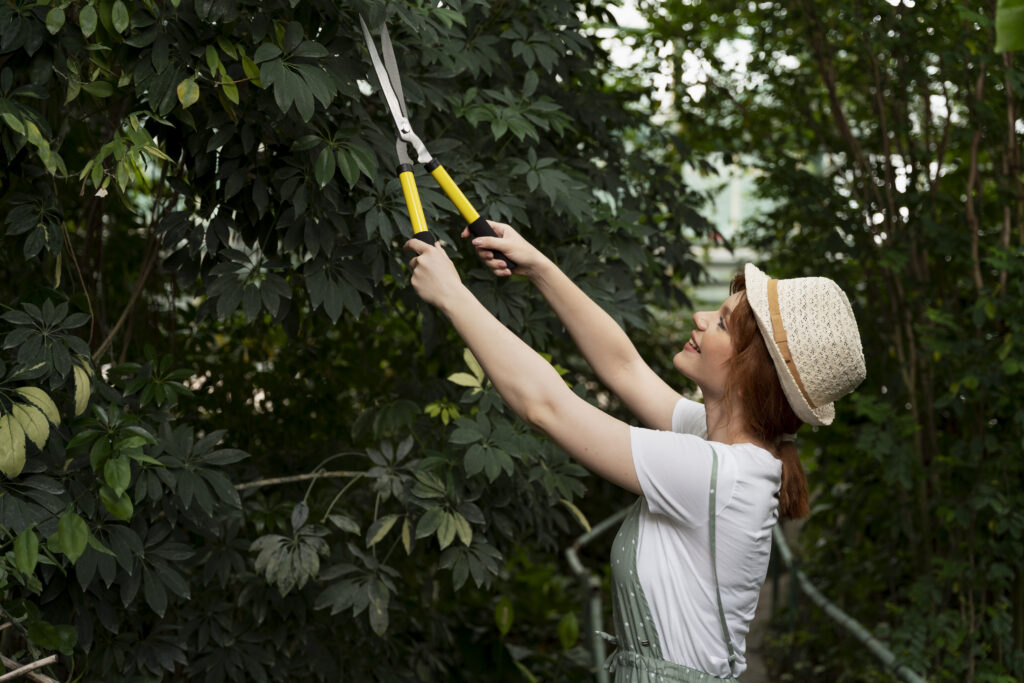
Qualified arborists are trained to identify the underlying cause of poor tree health and recommend treatments that improve stability, encourage healthy growth, and reduce risk. Through regular inspections, professional pruning, soil improvement, pest management, and ongoing monitoring, experienced arborists Melbourne can often extend the life of mature trees and help property owners avoid unnecessary tree removal Melbourne. This guide explains how arborists improve tree health, the signs of a declining tree, and why early intervention usually leads to better outcomes.
Quick Summary
A qualified arborist can often improve tree health by:
- Identifying diseases and pests early
- Correcting poor pruning practices
- Improving soil health
- Managing root problems
- Removing dead or hazardous branches
- Improving canopy structure
- Monitoring structural defects
- Recommending long-term maintenance plans
Many trees are removed simply because problems were left untreated for too long. Professional care can often prevent that outcome.
Table of Contents
- Why Healthy Trees Rarely Need Removing
- What Causes Trees to Decline?
- How Arborists Assess Tree Health
- Professional Tree Pruning Improves Health
- Improving Soil and Root Health
- Managing Tree Pests and Diseases
- Correcting Structural Problems Early
- Protecting Trees During Construction
- Creating a Long-Term Tree Maintenance Plan
- When Tree Removal Is Still Necessary
- Common Mistakes That Lead to Tree Decline
- Frequently Asked Questions
- Final Thoughts
Why Healthy Trees Rarely Need Removing
Healthy trees are naturally resilient.
When given suitable growing conditions, most mature trees can withstand:
- Strong winds
- Seasonal drought
- Heavy rainfall
- Minor storm damage
- Natural ageing
Problems usually develop gradually due to poor maintenance, root damage, disease, or environmental stress.
The earlier these issues are identified, the greater the chance the tree can be retained.
What Causes Trees to Decline?
Tree health is influenced by many factors, not just age.
Common causes of decline include:
- Compacted soil
- Root damage
- Poor drainage
- Nutrient deficiencies
- Incorrect pruning
- Pest infestations
- Fungal diseases
- Construction activity
- Prolonged drought
- Mechanical damage
Many of these issues are treatable when identified early.
How Arborists Assess Tree Health
A professional tree inspection looks at far more than leaves and branches.
Qualified arborist services Melbourne assess:
The Canopy
Looking for:
- Leaf size
- Leaf colour
- Canopy density
- Deadwood
- New growth
The Trunk
Checking for:
- Cracks
- Cavities
- Decay
- Mechanical damage
- Fungal activity
The Root System
Inspecting:
- Soil condition
- Root flare
- Drainage
- Root damage
- Signs of instability
The Surrounding Site
Considering:
- Construction impacts
- Lawn irrigation
- Compacted soil
- Vehicle traffic
- Nearby structures
This complete assessment helps identify the true cause of the tree’s decline rather than simply treating visible symptoms.
Professional Tree Pruning Improves Health
One of the most effective ways to improve tree health is through professional pruning.
Unlike aggressive tree lopping, proper tree pruning Melbourne focuses on preserving the tree while reducing stress.
Benefits include:
- Removing dead branches
- Improving airflow
- Increasing sunlight penetration
- Reducing branch weight
- Encouraging healthy growth
- Preventing disease spread
Pruning also allows arborists to remove damaged limbs before they become a safety hazard.
Improving Soil and Root Health
Healthy trees begin below ground.
Many declining trees are actually suffering from poor soil conditions.
Professional arborists may recommend:
- Soil decompaction
- Organic mulching
- Improved drainage
- Root zone protection
- Nutrient management
- Better irrigation practices
Healthy roots provide:
- Better water uptake
- Stronger structural support
- Improved resistance to drought
- Increased resilience against disease
Managing Tree Pests and Diseases
Pests and diseases weaken trees over time if left untreated.
Common issues include:
- Borers
- Scale insects
- Psyllids
- Fungal infections
- Root rot
- Canker diseases
Professional arborists identify:
- The specific cause
- The severity of the infestation
- Appropriate treatment options
- Whether the tree can recover
Early treatment often prevents extensive decline.
Correcting Structural Problems Early
Not all tree problems relate to health.
Many involve structural weaknesses that can be managed before they become dangerous.
Professional arborists may recommend:
- Structural pruning
- Crown reduction
- Crown thinning
- Cabling
- Bracing
- Regular monitoring
Managing defects early often prevents emergency tree removal Melbourne later.
Protecting Trees During Construction
Construction is one of the leading causes of tree decline.
Common problems include:
- Root excavation
- Soil compaction
- Changes to drainage
- Trenching
- Heavy machinery
Professional arborist services Melbourne help protect valuable trees by establishing:
- Tree Protection Zones
- Root protection measures
- Construction management plans
Following Australian Standards significantly improves the likelihood that mature trees will survive nearby building work.
Creating a Long-Term Tree Maintenance Plan
Healthy trees require ongoing care rather than reactive maintenance.
An arborist may recommend:
- Scheduled inspections
- Regular pruning
- Soil improvements
- Pest monitoring
- Storm inspections
- Growth management
Preventative maintenance usually costs far less than emergency tree work.
When Tree Removal Is Still Necessary
Although many trees can be saved, removal is sometimes the safest and most practical solution.
Professional tree removal Melbourne may be recommended when:
- Structural decay is extensive.
- Root failure cannot be corrected.
- The tree is dead.
- Disease is irreversible.
- Storm damage is severe.
- The level of risk remains unacceptable.
Even then, removal is generally considered only after all reasonable management options have been assessed.
The Environmental Value of Retaining Mature Trees
Every mature tree contributes to Melbourne’s urban environment.
Healthy trees help by:
- Providing shade during summer
- Lowering surrounding temperatures
- Improving air quality
- Supporting birds and wildlife
- Reducing stormwater runoff
- Enhancing streetscapes
- Increasing property value
Preserving healthy trees benefits both individual property owners and the wider community.
Australian Standards and Professional Best Practice
Qualified arborists work in accordance with recognised Australian Standards where appropriate.
AS 4373 – Pruning of Amenity Trees
Provides guidance on:
- Correct pruning techniques
- Crown management
- Tree preservation
- Long-term health
AS 4970 – Protection of Trees on Development Sites
Helps protect:
- Root systems
- Soil health
- Tree Protection Zones
- Trees near construction
Using these standards ensures decisions are based on accepted arboricultural practice rather than convenience.
Common Mistakes That Lead to Tree Decline
Many unhealthy trees deteriorate because simple problems were ignored.
Common mistakes include:
- Overwatering or underwatering
- Poor pruning practices
- Excessive tree lopping
- Ignoring early pest infestations
- Damaging roots during landscaping
- Leaving storm damage untreated
- Never arranging professional inspections
Routine maintenance greatly reduces the likelihood of these issues becoming serious.
Frequently Asked Questions
1. Can a dying tree be saved?
Sometimes. If the underlying problem is identified early, many trees respond well to pruning, soil improvement, pest treatment, or other arboricultural management.
2. Does pruning improve tree health?
Yes. Professional pruning removes dead or diseased branches, improves airflow, reduces structural stress, and encourages healthy growth.
3. How do arborists diagnose tree problems?
They assess the canopy, trunk, root system, soil, surrounding environment, pests, diseases, and structural condition before making recommendations.
4. Can poor soil affect tree health?
Absolutely. Compacted soil, poor drainage, and nutrient deficiencies are common causes of declining trees.
5. How often should mature trees be inspected?
Healthy mature trees should generally be inspected every two to three years, while higher-risk trees may require annual assessments.
6. Can construction damage healthy trees?
Yes. Root damage and soil compaction during construction are common reasons otherwise healthy trees decline after building work.
7. Is tree removal always the best solution?
No. Professional arborists usually consider pruning, root management, soil improvement, or structural support before recommending removal.
8. Can pests kill mature trees?
Some pests weaken trees over time or make them more susceptible to disease, but early treatment often prevents severe damage.
9. What’s the difference between tree maintenance and tree removal?
Tree maintenance focuses on preserving tree health and reducing risk, while removal is generally recommended only when the tree cannot be safely retained.
10. Why should I use a qualified arborist?
Qualified arborists understand tree biology, structural integrity, Australian Standards, and long-term tree management, allowing them to recommend solutions that preserve healthy trees whenever possible.
Final Thoughts
Many tree removals can be avoided through timely inspections, professional pruning, proper soil management, and early treatment of pests or diseases. A qualified arborist doesn’t simply respond when a tree becomes dangerous. They help prevent problems from developing in the first place. By investing in regular tree care, property owners can protect mature trees, improve safety, reduce long-term costs, and preserve one of the most valuable features of their landscape.
At Banyan Tree Care, we specialise in helping Melbourne property owners keep their trees healthy for as long as possible. Our experienced team provides professional arborist services Melbourne, Tree Risk Assessments, tree pruning Melbourne, Arborist Reports, and tree removal Melbourne only when it is genuinely necessary. We believe good arboriculture is about making informed decisions that balance safety, tree health, and the long-term value of your property.
If you’re concerned about the health of a tree or want to prevent future problems, contact Banyan Tree Care on 0432 277 627 to arrange a professional tree assessment. Early intervention could save your tree and help you avoid unnecessary removal costs.