
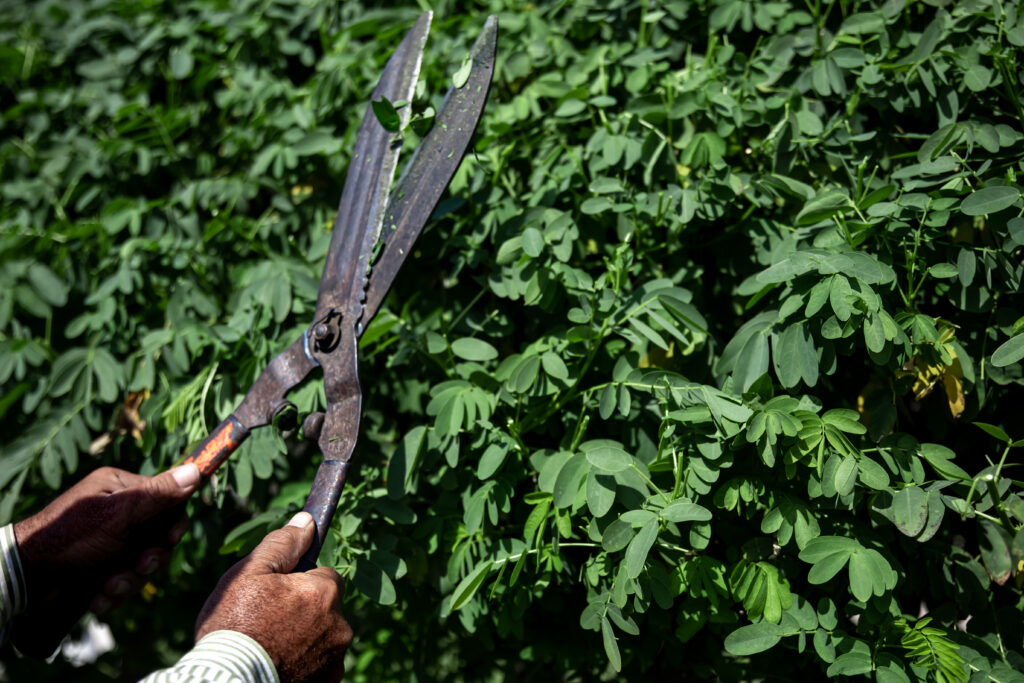
Professional Arborists Melbourne use Tree Risk Assessments, detailed inspections, Australian Standards, and practical experience to determine whether a tree can be safely retained through pruning or other management techniques, or whether tree removal Melbourne is the safest option. This guide explains how arborists make these decisions, why every tree is assessed individually, and how responsible tree management benefits both the community and Melbourne’s urban forest.
Quick Summary
Arborists balance tree preservation and public safety by:
- Assessing the tree’s health and structural integrity
- Identifying defects that may increase the risk of failure
- Evaluating nearby people, buildings, roads, and public spaces
- Considering the environmental value of the tree
- Recommending pruning, cabling, monitoring, or removal based on risk
- Following recognised Australian Standards and accepted arboricultural practices
The objective is to retain healthy trees wherever it is safe and practical while managing risks before they become emergencies.
Table of Contents
- Why Tree Preservation Matters
- Why Public Safety Always Comes First
- How Arborists Assess Tree Risk
- Understanding Acceptable Risk
- Can Dangerous Trees Be Saved?
- When Tree Removal Is the Best Option
- Tree Preservation During Development
- Wildlife and Environmental Considerations
- Australian Standards and Professional Best Practice
- How Arborists Help Councils and Property Owners
- Common Misconceptions About Tree Safety
- Frequently Asked Questions
- Final Thoughts
Why Tree Preservation Matters
Mature trees provide benefits that take decades to replace.
Healthy trees contribute to:
- Natural shade and cooling
- Improved air quality
- Reduced urban heat
- Stormwater management
- Habitat for birds and possums
- Greater biodiversity
- Higher property values
- More attractive streetscapes
In Melbourne, mature trees are a vital part of the urban forest and play an important role in creating healthier suburbs.
For this reason, professional arborists aim to preserve trees whenever it can be done safely.
Why Public Safety Always Comes First
While tree preservation is important, public safety is always the priority.
A tree may require intervention if it has the potential to:
- Fall onto a home
- Drop large branches onto vehicles
- Strike pedestrians
- Damage public infrastructure
- Interfere with powerlines
The consequences of tree failure depend not only on the condition of the tree but also on what is beneath or around it.
For example:
- A tree with a structural defect in a remote paddock may present very little risk.
- The same tree beside a childcare centre or busy footpath requires immediate attention.
Professional arborist services Melbourne consider both the likelihood of failure and the consequences if that failure occurs.
How Arborists Assess Tree Risk
Tree preservation decisions begin with a detailed assessment.
Qualified arborists inspect:
Tree Health
Including:
- Canopy density
- Leaf colour
- New growth
- Deadwood
- Disease
- Pest activity
Structural Integrity
Checking for:
- Trunk cracks
- Cavities
- Included bark
- Weak branch unions
- Decay
- Previous storm damage
Root Stability
Assessing:
- Root damage
- Soil movement
- Root decay
- Drainage
- Construction impacts
Site Conditions
Considering:
- Homes
- Schools
- Roads
- Parks
- Driveways
- Public spaces
- Powerlines
Each factor contributes to the overall level of risk.
Understanding Acceptable Risk
One of the biggest misconceptions is that every defect makes a tree unsafe.
In reality, arborists assess whether the level of risk is acceptable.
Questions include:
- How likely is the tree to fail?
- What part of the tree could fail?
- What could it strike?
- How often is the area occupied?
- Can the risk be reduced?
This balanced approach allows valuable trees to be retained where appropriate rather than removed unnecessarily.
Can Dangerous Trees Be Saved?
Often, yes.
Many trees can remain safely in place through professional management.
Common options include:
Structural Pruning
Removing defective branches while maintaining the tree’s health.
Crown Reduction
Reducing canopy weight to lessen stress on weak limbs.
Crown Thinning
Improving airflow and reducing wind resistance.
Cabling and Bracing
Supporting weak branch unions in mature feature trees.
Ongoing Monitoring
Some trees simply require regular inspections rather than immediate removal.
Professional Tree Pruning Melbourne is often enough to significantly reduce the risk posed by otherwise healthy trees.
When Tree Removal Is the Best Option
Despite every effort to preserve trees, some situations require removal.
Professional tree removal Melbourne may be recommended when:
- Root failure is extensive.
- Structural decay is advanced.
- Storm damage cannot be repaired.
- The trunk has lost significant strength.
- The tree is dead.
- The risk remains unacceptable after other treatments have been considered.
Removal is generally the final management option after all practical alternatives have been assessed.
Tree Preservation During Development
Construction can place mature trees under significant stress.
Qualified arborists help protect retained trees by:
- Establishing Tree Protection Zones
- Monitoring excavation
- Managing root impacts
- Advising builders and developers
- Preparing Arborist Reports
- Recommending construction methods that minimise root damage
Protecting trees during development often prevents unnecessary losses while helping projects comply with council requirements.
Wildlife and Environmental Considerations
Trees are more than landscape features.
Many provide habitat for:
- Native birds
- Possums
- Bees
- Microbats
- Beneficial insects
Before major tree work begins, experienced arborists consider:
- Whether wildlife is present
- The ecological value of the tree
- Opportunities to retain habitat where practical
- Whether pruning can achieve the objective instead of removal
Responsible arboriculture recognises the environmental importance of mature trees while maintaining public safety.
Australian Standards and Professional Best Practice
Qualified arborists rely on recognised Australian Standards when making recommendations.
AS 4373 – Pruning of Amenity Trees
This standard provides guidance on:
- Structural pruning
- Crown reduction
- Tree preservation
- Correct pruning practices
Proper pruning helps reduce risk without unnecessarily compromising tree health.
AS 4970 – Protection of Trees on Development Sites
This standard supports the retention of valuable trees during construction by protecting:
- Root systems
- Soil health
- Tree Protection Zones
- Long-term stability
Following these standards promotes consistent and evidence-based decision making.
How Arborists Help Councils and Property Owners
Professional arborists regularly assist with:
- Tree Risk Assessments
- Arborist Reports
- Council permit applications
- Development Applications
- Tree preservation plans
- Hazard assessments
- Storm damage inspections
These services help councils, homeowners, developers, and businesses make informed decisions that balance environmental outcomes with public safety.
Real-World Example
A large eucalyptus growing beside a suburban footpath had developed a weak branch union over many years. Some residents believed the tree should be removed because of its size.
After carrying out a detailed Tree Risk Assessment, the arborist found the trunk and root system were healthy. The risk was limited to one heavy limb extending over the footpath.
Rather than recommending complete tree removal Melbourne, the solution involved structural pruning to reduce the weight of the affected branch, combined with ongoing inspections every two years. The tree remained healthy, continued providing shade and habitat, and the risk to pedestrians was significantly reduced.
In another situation, a mature tree near a school had severe root decay caused by a fungal infection. Although the canopy remained green, the likelihood of complete failure was considered unacceptable because hundreds of students passed beneath it each day. In that case, removal was the safest recommendation.
These examples show that arborists don’t make decisions based on appearance alone. Every recommendation considers the tree’s condition, its surroundings, and the consequences if it fails.
Common Misconceptions About Tree Safety
Several myths often lead to unnecessary removals or overlooked hazards.
“A healthy-looking tree can’t be dangerous.”
False. Internal decay and root failure may not be visible.
“Every leaning tree should be removed.”
Not always. Some trees naturally grow with a lean and remain stable for decades.
“Large trees are automatically unsafe.”
Tree size alone doesn’t determine risk. Many mature trees remain structurally sound throughout their lives.
“Removing every mature tree is the safest option.”
Removing healthy trees reduces shade, habitat, biodiversity, and property value. Good arboriculture focuses on managing risk rather than removing trees unnecessarily.
Frequently Asked Questions
1. Do arborists always try to save trees?
Where it is safe and practical, yes. Arborists generally consider preservation options before recommending removal.
2. What is the main goal of a Tree Risk Assessment?
To determine the likelihood of tree failure, identify potential targets, and recommend practical management strategies that reduce risk.
3. Can pruning make a dangerous tree safe?
In many cases, yes. Structural pruning can reduce canopy weight, remove defective branches, and significantly lower the likelihood of branch failure.
4. Why don’t arborists remove every tree with a defect?
Many defects can be managed successfully through pruning, cabling, monitoring, or soil improvement without removing the tree.
5. What role does wildlife play in tree management?
Professional arborists consider habitat values and native wildlife before carrying out major tree work and seek to minimise unnecessary environmental impacts.
6. Can a mature tree increase property value?
Yes. Healthy mature trees often improve street appeal, provide natural shade, and enhance the overall value of residential and commercial properties.
7. Are councils more likely to approve removal if a tree is dangerous?
Where genuine safety risks exist and supporting evidence is provided, councils are generally more likely to consider removal applications. Requirements vary between municipalities.
8. How often should trees in public areas be inspected?
Inspection frequency depends on species, age, condition, and how often people use the area. Higher-risk locations typically require more regular assessments.
9. Is tree preservation always possible?
No. Some trees become too unstable or diseased to retain safely. In those cases, removal is the responsible option.
10. Who should assess a tree that may be dangerous?
A qualified arborist Melbourne with experience in Tree Risk Assessments should inspect the tree and provide recommendations based on accepted arboricultural practices.
Final Thoughts
Balancing tree preservation with public safety is one of the most important aspects of professional arboriculture. Every mature tree provides environmental, social, and economic benefits, but those benefits must always be considered alongside the potential risk to people and property. Through detailed inspections, Tree Risk Assessments, professional tree pruning Melbourne, and evidence-based recommendations, qualified arborists help retain healthy trees wherever possible while identifying those that genuinely require intervention or Tree Removal Melbourne.
At Banyan Tree Care, we work with homeowners, commercial property owners, schools, councils, body corporates, developers, and builders to deliver practical tree management solutions that prioritise both safety and preservation. Our experienced team provides arborist services Melbourne, Arborist Reports, Tree Risk Assessments, tree pruning Melbourne, and safe tree removal Melbourne when it is the most appropriate course of action.
If you’re concerned about a tree on your property or need expert advice on whether it can be safely retained, contact Banyan Tree Care on 0432 277 627. We’ll provide an honest assessment and recommend the solution that protects your property while preserving Melbourne’s valuable urban forest wherever possible.