
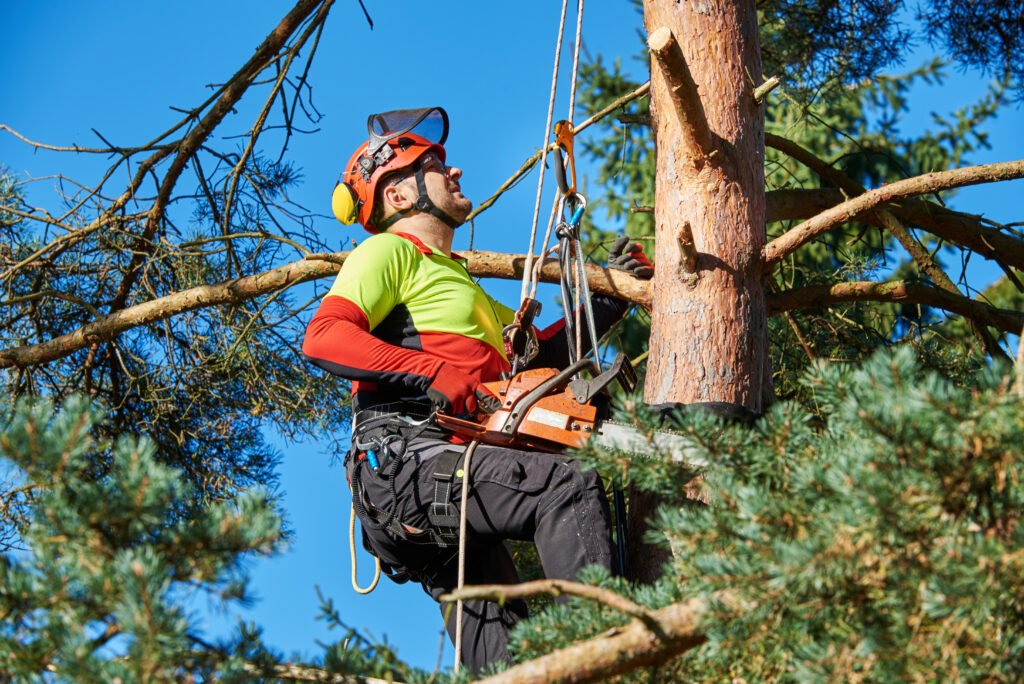
Hiring the right arborist matters because tree work can affect safety, property value, council compliance and long-term tree health. A good arborist does more than cut branches or remove trees. They assess tree structure, identify risks, explain options, protect nearby property and recommend the most practical solution for your situation.
In Melbourne, homeowners often need arborist help for mature gum trees, storm damage, overgrown branches, council applications, Tree Pruning, root problems, construction impacts and hazardous trees. The right fit is someone who can clearly explain what needs to be done, why it is needed, what risks are involved and what is included in the quote.
Quick Summary
When hiring an arborist, check:
- Qualifications and practical experience
- Insurance cover
- Knowledge of tree health and structure
- Experience with similar trees or site conditions
- Clear written quotes
- Safe work methods
- Council permit understanding
- Equipment and access planning
- Cleanup and waste removal
- Whether pruning, removal or monitoring is the best option
A professional arborist should give clear advice, not pressure you into unnecessary work.
Table of Contents
- Why Choosing the Right Arborist Matters
- What Type of Arborist Do You Need?
- Qualifications, Insurance and Experience
- Questions to Ask Before Hiring
- How to Compare Arborist Quotes
- Warning Signs to Watch For
- FAQs
- Summary
- Call Banyan Tree Care
1. Why Choosing the Right Arborist Matters
Tree work can be dangerous and technical. Large branches, heavy timber, unstable trunks, powerlines, tight access, roofs, fences and neighbouring properties all increase risk.
A skilled arborist can help with:
- Tree inspections
- Tree pruning
- Tree trimming
- Canopy reduction
- Deadwood removal
- Tree risk assessment
- Arborist Reports
- Root zone advice
- Storm damage assessment
- Safe tree removal
- Stump grinding
- Tree protection during construction
Choosing the wrong person can lead to property damage, poor pruning, unsafe work, council issues, unnecessary removal or higher costs later.
A cheap or rushed job may solve one problem while creating another.
2. What Type of Arborist Do You Need?
Different tree problems need different levels of expertise.
For simple pruning, you may need an experienced tree crew with good safety systems and proper equipment.
For tree health concerns, structural defects, council applications or construction projects, you may need a qualified consulting arborist who can inspect, document and provide written recommendations.
You may need an arborist if:
- A tree is leaning
- Large branches are over your roof
- A gum tree has dropped a limb
- Roots are affecting paving or drains
- You need council approval
- You are renovating near trees
- A tree looks unhealthy
- Storm damage has occurred
- You are unsure whether pruning or removal is best
The right arborist should match the job, not offer the same solution for every tree.
3. Qualifications, Insurance and Experience
Before hiring, check whether the arborist has suitable training and experience for the work.
Important things to ask about include:
- Arboriculture qualifications
- Practical experience with similar trees
- Public liability insurance
- Workers compensation where applicable
- Experience with climbing, rigging or elevated work platforms
- Knowledge of Australian pruning standards
- Familiarity with council tree permit processes
- Ability to prepare Arborist Reports if required
Insurance is especially important. Tree work can involve homes, cars, fences, sheds, pools, glass, overhead services and neighbouring properties. If something goes wrong, proper cover matters.
A professional arborist should be comfortable explaining their experience and how the work will be completed safely.
4. Questions to Ask Before Hiring
Good questions help you separate professionals from guesswork.
Ask:
- What is wrong with the tree?
- Can the tree be retained?
- Is pruning enough, or is removal needed?
- What type of pruning do you recommend?
- Will the work follow proper pruning practice?
- Do I need council approval?
- Are you insured?
- What exactly is included in the quote?
- Is green waste removal included?
- Is stump grinding included?
- How will you protect nearby property?
- How will access be managed?
- How many people will attend the job?
- What equipment will be used?
- Will I receive photos, notes or a report if needed?
A good arborist will answer clearly and explain the reasoning. Be cautious if someone gives a recommendation without inspecting the tree properly.
5. How to Compare Arborist Quotes
Do not compare quotes only by price. Compare the full scope.
A proper quote should explain:
- Which tree or trees are included
- Whether the work is pruning, trimming, removal or stump grinding
- What parts of the tree will be cut
- Whether waste will be removed
- Whether logs will be left or taken
- Whether cleanup is included
- Whether access challenges are included
- Whether GST is included
- Whether council approval is required before work starts
Two quotes may look similar but include very different services.
For example, one quote may include stump grinding and cleanup, while another only includes cutting the tree to ground level. One company may use rigging to lower branches carefully, while another may plan to drop large sections and risk lawn, fence or paving damage.
The best quote is clear, complete and safe.
6. Warning Signs to Watch For
Avoid hiring someone who:
- Cannot explain their recommendation
- Pushes removal without discussing alternatives
- Suggests topping or harsh lopping
- Has no clear insurance details
- Refuses to provide a written quote
- Ignores council approval questions
- Wants cash only with no paperwork
- Plans to cut large roots without assessment
- Gives a very low price without inspecting access
- Cannot explain how property will be protected
- Uses fear to pressure you into immediate work
Professional arborists should be calm, clear and practical. They should explain options such as pruning, monitoring, canopy reduction, root management, stump grinding or removal where appropriate.
If the tree is genuinely dangerous, they should explain why and advise what needs to happen next.
FAQs
1. What should I ask before hiring an arborist?
Ask about qualifications, insurance, experience, and exactly what work is included. Check if council approval is needed and why pruning or removal is recommended. Also ask about property protection, waste removal, and stump grinding. Clear answers show professionalism and help you avoid hidden costs or poor-quality tree work.
2. How do I know if an arborist is qualified?
Check their arboriculture training, experience, and whether they provide Arborist Reports. For complex issues like hazardous trees or council permits, a consulting arborist may be needed. A qualified arborist should clearly explain their background and demonstrate experience with similar tree types and site conditions.
3. Should I choose the cheapest arborist quote?
Not always. Cheap quotes may exclude cleanup, stump grinding, or safe work methods. Tree work involves risk, equipment, and insurance, so compare full scope, not just price. A good quote clearly explains inclusions and methods. Paying more often ensures safer, more complete, and longer-lasting results.
4. Do I need an arborist or a tree lopper?
Choose an arborist for safe, informed decisions about tree health, pruning, risk, or removal. Tree loppers may cut without considering long-term structure, causing damage or decay. Arborists assess the whole tree and recommend the safest long-term option for health, safety, and property protection.
5. Can an arborist help with council approval?
Yes. An arborist can inspect the tree and prepare a report to support council applications for pruning or removal. While they cannot guarantee approval, their report explains tree health, risk, and alternatives. This helps councils make informed decisions about protected or significant trees.
6. What should be included in an arborist quote?
A proper quote should list the tree, work type, access needs, waste removal, cleanup, and stump grinding if required. It should also note exclusions and whether council approval is needed. Clear quotes explain safety methods and costs so you know exactly what is included before agreeing.
Summary
Hiring an arborist is about finding someone who can assess your tree properly, explain your options and complete the work safely. The right arborist should understand tree health, structure, pruning, risk, council requirements and site safety. They should provide clear advice, proper insurance details and a written quote that explains what is included.
Before choosing, ask practical questions about qualifications, insurance, methods, cleanup, permits and alternatives to removal. A professional answer will help you feel confident that the arborist is the right fit for your property.
Call Banyan Tree Care for Professional Arborist Advice
If you need help choosing the right solution for a tree on your property, Banyan Tree Care can inspect it and provide clear, practical recommendations.
We provide arborist inspections, tree pruning, tree trimming, Tree Risk Assessments, Arborist Reports, root zone advice, storm damage checks, stump grinding and safe tree removal across Melbourne. Call Banyan Tree Care on 0432 277 627 to arrange a professional arborist assessment.