
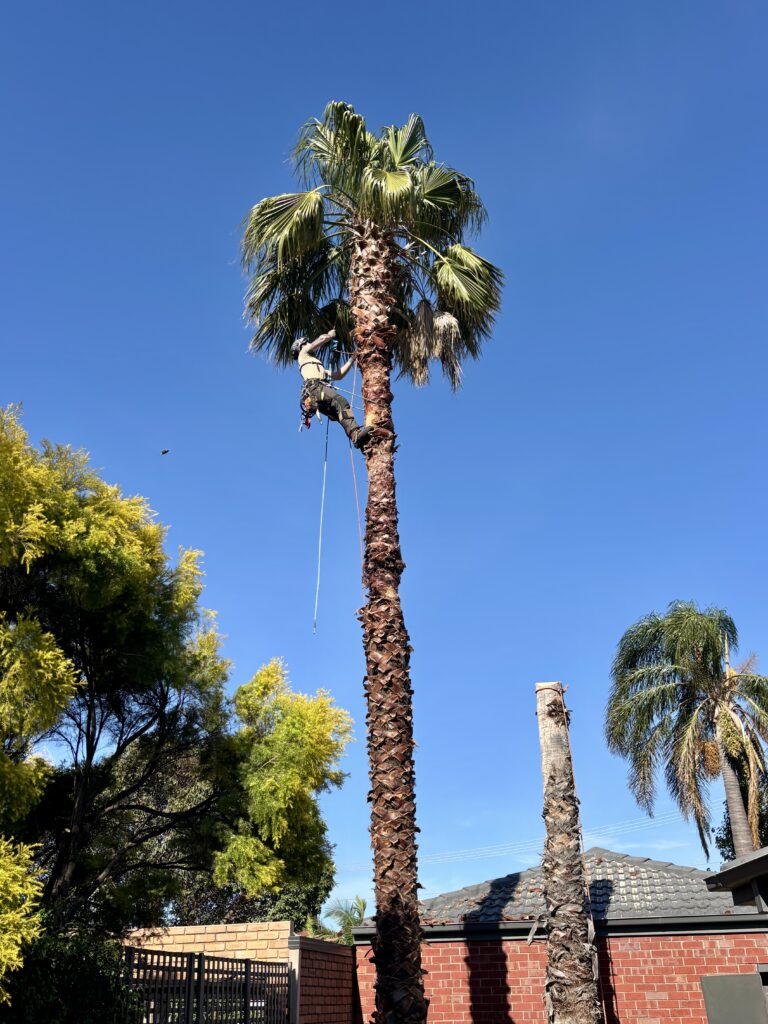
If your palm tree is turning yellow, losing fronds, growing slowly, or showing signs of decline, acting early can often save it. Most palm tree problems are caused by nutrient deficiencies, poor watering, pests, disease, or environmental stress. The good news is that many palms can recover when the underlying issue is identified and treated correctly. In this guide, we’ll explain the most common causes of poor palm tree health, the steps you can take to revive a struggling palm, and when professional palm tree pruning or Palm Tree Removal Melbourne services may be necessary.
Identify the Cause of the Problem
Before you can save a dying palm tree, you need to understand what is causing the decline.
Common causes include:
- Overwatering
- Underwatering
- Nutrient deficiencies
- Pest infestations
- Fungal diseases
- Root damage
- Poor soil conditions
Treating the wrong problem can make the situation worse, so identifying the cause is the first step.
Check Your Watering Routine
Watering issues are one of the most common reasons palm trees struggle.
Signs of Overwatering
- Yellowing fronds
- Soft trunk base
- Fungal growth around the tree
- Constantly wet soil
Signs of Underwatering
- Brown leaf tips
- Dry soil
- Wilting fronds
- Slow growth
Palm trees prefer well-drained soil and consistent moisture. Avoid letting the soil become waterlogged or completely dry.
Improve Soil Conditions
Healthy roots are essential for good palm tree health.
If the soil is compacted or poorly drained, roots may struggle to absorb water and nutrients.
You can improve soil conditions by:
- Adding organic matter
- Improving drainage
- Removing excess mulch from around the trunk
- Avoiding soil compaction near the root zone
Healthy soil supports stronger root growth and better recovery.
Correct Nutrient Deficiencies
Palm trees require specific nutrients to thrive.
Common deficiencies include:
- Potassium
- Magnesium
- Manganese
- Nitrogen
Symptoms often appear as:
- Yellow fronds
- Brown leaf edges
- Weak growth
- Discoloured new leaves
A quality palm fertiliser can help restore nutrient balance and encourage healthy growth.
Inspect for Pests
Pests can weaken a palm tree and prevent recovery.
Look for:
- Holes in the trunk
- Damaged fronds
- Visible insects
- Sticky residue on leaves
Early treatment can prevent pests from causing permanent damage.
If infestations are severe, professional assessment may be required.
Look for Signs of Disease
Palm trees can suffer from fungal infections and diseases that affect the roots, trunk, or crown.
Warning signs include:
- Black spots on leaves
- Fungal growth at the base
- Soft or rotting trunk sections
- Rapid decline in canopy health
Early intervention offers the best chance of saving the tree.
Remove Dead or Diseased Fronds
Professional Palm Tree Pruning can improve the health and appearance of a struggling palm.
Pruning helps by:
- Removing dead material
- Reducing disease spread
- Improving airflow
- Eliminating safety hazards
However, palms should never be over-pruned. Removing too many healthy fronds can weaken the tree further.
Only dead, dying, or damaged fronds should be removed.
Protect the Crown
The crown is the growing centre of the palm tree.
Damage to this area can be serious because most palms grow from a single point.
To protect the crown:
- Avoid excessive pruning
- Prevent physical damage
- Monitor for pests and disease
- Ensure proper nutrient levels
A healthy crown is critical for long-term recovery.
Be Patient During Recovery
Palm trees recover slowly compared to many other plants.
After treatment, it may take:
- Several months to see improvement
- A growing season for new healthy fronds to emerge
- Longer for severely stressed trees
Consistent care is essential during the recovery process.
When a Palm Tree Cannot Be Saved
Unfortunately, some palms reach a point where recovery is unlikely.
This may occur when:
- The crown has died
- The trunk is severely decayed
- Root failure has occurred
- The tree poses a safety risk
In these situations, professional palm tree removal Melbourne services may be the safest option for your property.
How an Arborist Can Help
A qualified arborist can identify issues that are not always visible to homeowners.
Professional advice can help with:
- Palm health assessments
- Pest and disease diagnosis
- Nutrient recommendations
- Safe palm tree pruning
- Determining whether removal is necessary
Early intervention often saves both the tree and the cost of future repairs.
Need Help with a Struggling Palm Tree?
If you’re concerned about your palm tree’s condition, Banyan Tree Care can help. Our experienced team specialises in palm tree health, professional palm tree pruning, and safe palm tree removal Melbourne services when recovery is no longer possible. Contact Banyan Tree Care today for expert advice and a professional assessment of your palm tree.