
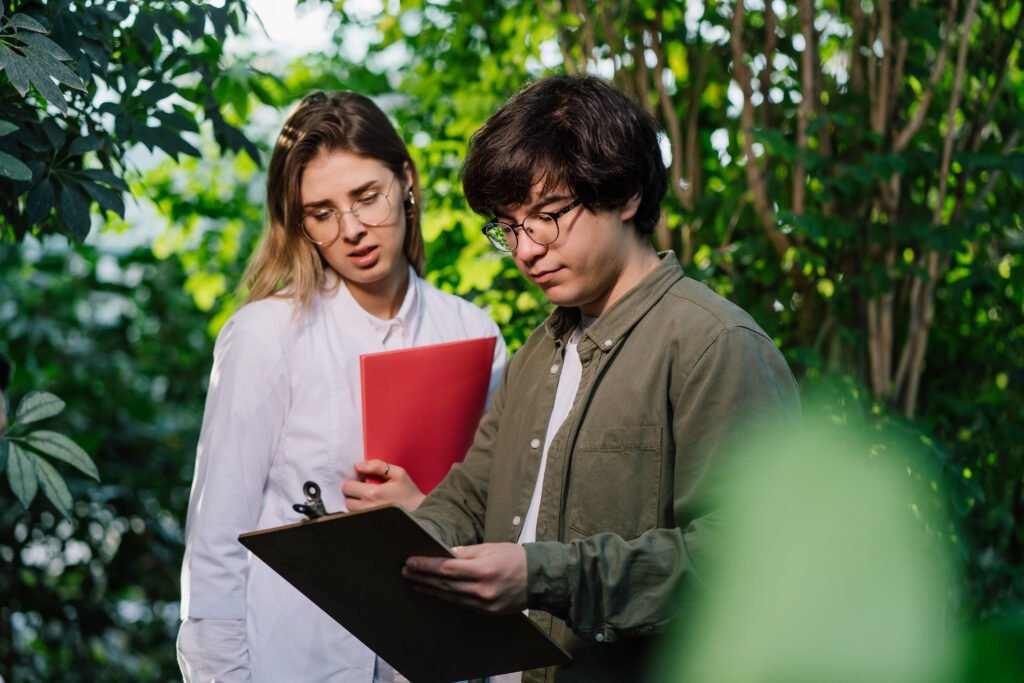
An Arboricultural Impact Assessment is a professional report that explains how proposed works may affect trees on or near a property. It is commonly used for renovations, new builds, subdivisions, extensions, driveways, retaining walls, demolition, landscaping and development applications.
In Melbourne, this assessment is often needed when trees may be affected by excavation, construction access, root damage, pruning, soil compaction or changes to ground levels. A qualified Arborist Melbourne professional can inspect the site, assess tree health and structure, identify protection zones, and explain whether trees can be retained, pruned, protected or removed.
The purpose is simple: to understand the impact before work begins, not after the tree has already been damaged.
Quick Summary
An Arboricultural Impact Assessment helps identify:
- Which trees are affected by proposed works
- Whether trees are suitable for retention
- Tree health, structure and condition
- Tree Protection Zones
- Structural Root Zones
- Construction impacts on roots and canopy
- Whether pruning or removal is required
- Council permit considerations
- Tree protection measures during works
- Design changes that may reduce tree damage
It helps homeowners, builders, designers and councils make informed tree decisions.
Table of Contents
- What Does an Arboricultural Impact Assessment Do?
- When Is It Needed?
- What Does the Arborist Inspect?
- Tree Protection Zones and Root Impacts
- What May Be Included in the Report?
- How It Helps With Council and Building Projects
- Common Mistakes to Avoid
- FAQs
- Summary
- Call Banyan Tree Care
1. What Does an Arboricultural Impact Assessment Do?
An Arboricultural Impact Assessment, often called an AIA, looks at how proposed site works may affect existing trees.
It considers whether trees can be retained safely and whether the planned works may damage:
- Roots
- Trunk
- Canopy
- Soil structure
- Drainage
- Tree stability
- Long-term health
The assessment may cover trees on your property, neighbouring trees and sometimes street trees if they could be affected by construction activity.
A good AIA does not simply say “remove” or “retain”. It explains the likely impact, the level of risk, and what can be done to reduce damage where possible.
2. When Is It Needed?
You may need an Arboricultural Impact Assessment when construction or landscaping is planned near trees.
Common situations include:
- Home renovations
- New house builds
- Unit developments
- Subdivisions
- Driveway construction
- Pool installation
- Retaining wall works
- Drainage or sewer trenching
- Demolition
- Decking or paving near trees
- Works near protected trees
- Building near neighbouring trees
Councils may request an AIA when trees are protected, significant, close to proposed works, or affected by planning overlays.
It is also useful even when council has not asked for one. Early arborist advice can prevent design issues, avoid unnecessary tree removal and reduce construction delays.
3. What Does the Arborist Inspect?
A qualified arborist inspects both the trees and the proposed works.
The inspection may include:
- Tree species
- Tree height and canopy spread
- Trunk diameter
- Age and useful life expectancy
- Canopy health
- Deadwood
- Trunk defects
- Branch structure
- Root flare condition
- Fungal activity
- Soil condition
- Existing damage
- Distance from proposed works
- Construction access requirements
- Likely excavation depth
- Nearby buildings, fences and services
This helps the arborist understand whether the tree is healthy, structurally sound and suitable for retention.
The arborist may also review architectural plans, site surveys, demolition plans, engineering drawings or landscape plans to compare tree locations with proposed works.
4. Tree Protection Zones and Root Impacts
One of the most important parts of an AIA is understanding root impact.
Many trees are damaged during construction because roots are cut, compacted or buried. This damage may not show immediately. A tree can decline months or years after works are finished.
An arborist may identify:
- Tree Protection Zone, also called TPZ
- Structural Root Zone, also called SRZ
- Areas where excavation should be avoided
- Locations where supervised digging may be needed
- Root-sensitive construction options
- Canopy clearance requirements
- Areas where fencing should be installed
Tree Protection Zones help keep machinery, stockpiles, trenching and site traffic away from important roots and soil.
If works need to happen inside a TPZ, the arborist may recommend hand excavation, non-destructive digging, pier footings, service relocation, permeable surfaces or design changes.
5. What May Be Included in the Report?
An Arboricultural Impact Assessment may include:
- Site details
- Tree schedule
- Tree numbers and locations
- Species identification
- Tree condition ratings
- Retention value
- Photos
- Measurements
- TPZ and SRZ information
- Proposed construction impacts
- Pruning recommendations
- Removal recommendations where justified
- Tree protection measures
- Construction supervision requirements
- Replacement planting advice
- Council support notes
The report should explain the reasoning behind each recommendation. This is important because councils, builders and homeowners need clear evidence, not guesswork.
For more complex sites, the AIA may be supported by a Tree Protection Plan or Arborist Report.
6. How It Helps With Council and Building Projects
An AIA helps councils understand whether trees can be safely retained during development. It also helps builders understand what they can and cannot do near trees.
The assessment may help with:
- Planning permit applications
- Council tree permit requests
- Design changes before construction
- Tree retention decisions
- Neighbouring tree concerns
- Site access planning
- Avoiding root damage
- Reducing future liability
- Protecting mature canopy trees
- Supporting tree removal where retention is not practical
A qualified consulting arborist in Melbourne can also explain whether removal is genuinely necessary or whether tree protection measures can allow the project to proceed.
This can save time, reduce disputes and prevent costly changes during construction.
7. Common Mistakes to Avoid
The biggest mistake is calling an arborist too late.
Avoid these issues:
- Finalising plans before checking tree impacts
- Ignoring neighbouring tree roots
- Assuming trees can be removed without approval
- Excavating before an arborist inspection
- Storing materials under retained trees
- Driving machinery over root zones
- Cutting roots for services without advice
- Using harsh lopping for building clearance
- Treating the report as paperwork only
- Ignoring tree protection conditions during construction
An AIA is most useful when done early, before designs, budgets and construction methods are locked in.
FAQs
1. What is an Arboricultural Impact Assessment?
An Arboricultural Impact Assessment is a report showing how proposed works affect nearby trees. It assesses health, structure, roots, canopy and construction impacts to determine if trees can be retained, protected, pruned or removed. It’s used for builds, renovations, subdivisions, driveways, pools and works near protected trees.
2. Who prepares an Arboricultural Impact Assessment?
A qualified consulting arborist prepares the AIA. They inspect trees, review plans, assess impacts and calculate protection zones. They provide recommendations based on council requirements and construction risks. In Melbourne, local experience is important for understanding tree controls and development conditions.
3. When should I get an AIA done?
Get an AIA before finalising designs or starting works near trees. Early advice helps protect trees, guide design and avoid costly changes. Delaying can lead to root damage, council delays and unnecessary tree removal during construction.
4. Does an AIA mean I cannot remove a tree?
No. An AIA does not stop removal. It assesses whether trees should be retained or removed based on condition, safety and construction impact. Council approval may still be required depending on local regulations.
5. What is the difference between an AIA and an Arborist Report?
An Arborist Report covers general tree issues like health, risk and pruning. An AIA specifically focuses on construction impacts and includes protection zones and retention advice. It may be part of a broader arborist report.
6. Can an arborist help my builder understand tree restrictions?
Yes. An arborist explains root zones, access limits and protection measures to builders and contractors. This helps prevent damage during construction and ensures trees are properly protected throughout the project.
Summary
An Arboricultural Impact Assessment explains how proposed building, landscaping or development works may affect trees. It considers tree health, structure, root zones, canopy clearance, construction impacts and protection measures.
For Melbourne properties, an AIA can help with council applications, design planning, tree retention, neighbouring tree concerns and safe construction near mature trees. The best time to arrange one is before plans are finalised and before any excavation begins.
Call Banyan Tree Care for Arboricultural Impact Assessments in Melbourne
If you are planning building, renovation, subdivision or landscaping works near trees, Banyan Tree Care can inspect your site and prepare practical arborist advice.
We provide Arboricultural Impact Assessments, Arborist Reports, Tree Protection Plans, tree assessments, root zone advice, construction tree protection, pruning, Stump Grinding and safe tree removal where required. Call Banyan Tree Care on 0432 277 627 to arrange a professional arborist assessment.