
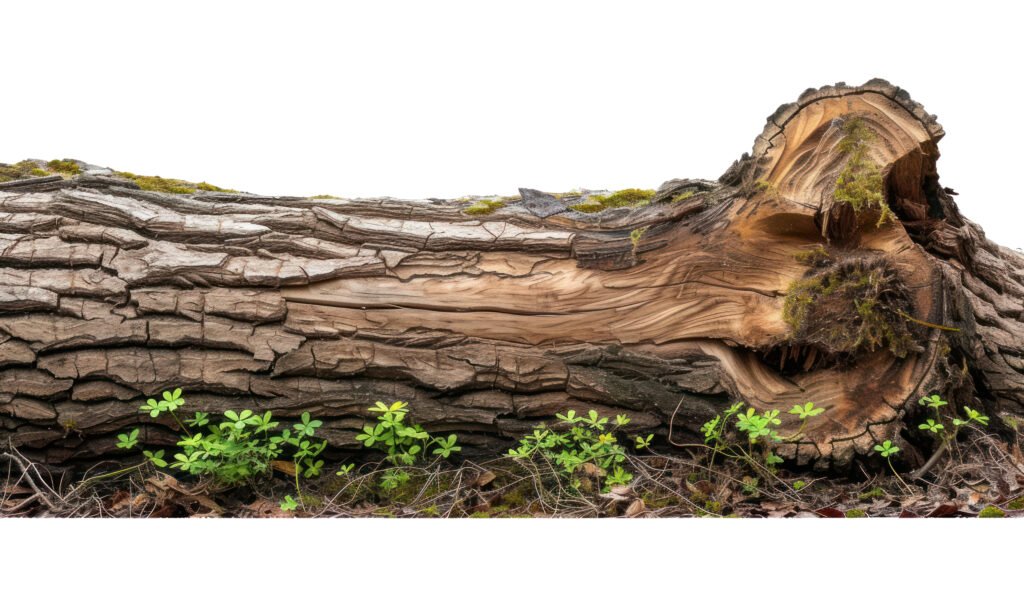
If you notice cracks in your tree trunk, do not ignore them. Some cracks are minor surface splits, while others can indicate serious structural weakness, internal decay, storm damage, root movement or pressure between stems. The safest step is to keep people away from the tree if the crack looks fresh, deep or spreading, then contact an Arborist in Melbourne for a professional tree inspection.
A cracked trunk does not always mean the tree must be removed. Some trees can be monitored, pruned, supported or managed. Others may need urgent action if the crack affects the main stem, branch union, root flare or a section of tree over a house, driveway, fence or public area. An arborist can assess the risk and advise whether you need pruning, a Tree Risk Assessment, arborist reports in Melbourne, or safe tree removal.
Quick Summary
Cracks in a tree trunk may indicate:
- Internal decay
- Storm damage
- Weak branch unions
- Split stems
- Root movement
- Heavy canopy load
- Frost or heat stress
- Previous poor pruning
- Structural instability
- Risk of branch or trunk failure
If the crack is deep, fresh, widening or close to the base, arrange an arborist inspection as soon as possible.
Table of Contents
- Why Tree Trunk Cracks Matter
- Types of Tree Cracks
- Warning Signs That Need Urgent Attention
- What an Arborist Checks
- Can a Cracked Tree Be Saved?
- When an Arborist Report May Be Needed
- What You Should Avoid Doing
- FAQs
- Summary
- Call Banyan Tree Care
1. Why Tree Trunk Cracks Matter
A tree trunk carries the weight of the canopy and helps move water and nutrients between the roots and leaves. When the trunk cracks, it may affect both the tree’s structure and long-term health.
Some cracks only affect the bark. Others extend into the wood and reduce the tree’s ability to hold itself together. This is more serious when the tree has large limbs, a heavy canopy, storm exposure or targets nearby.
Cracks are especially concerning when they appear:
- On the main trunk
- At the base of the tree
- Between two stems
- Near large branch unions
- After strong wind or storms
- Along with fungal growth
- Near cavities or hollow sections
A professional arborist can determine whether the crack is cosmetic, manageable or hazardous.
2. Types of Tree Cracks
Not all trunk cracks mean the same thing.
Common types include:
Surface bark cracks
Some trees develop shallow bark splits due to growth, temperature changes or natural bark movement. These may not affect structural safety, but they should still be checked if they are large or unusual.
Vertical trunk cracks
Vertical cracks can be serious if they extend deeply into the wood. They may suggest internal stress, decay or splitting between wood fibres.
Cracks at branch unions
Cracks where large limbs join the trunk can indicate weak attachment. These areas can fail under wind or canopy weight.
Cracks between two stems
Trees with two main stems can split where the stems meet. Included bark, tight unions and heavy canopy load can increase this risk.
Basal cracks
Cracks near the root flare or lower trunk are often more concerning because they may affect the tree’s main support system.
3. Warning Signs That Need Urgent Attention
Some trunk cracks require fast action.
Call an arborist urgently if you notice:
- A fresh crack after a storm
- A crack that is widening
- A split running through the main trunk
- Soil lifting near the base
- The tree suddenly leaning
- Fungal growth near the crack
- A hollow sound around the trunk
- Large dead branches above the crack
- Sap bleeding or unusual staining
- Cracks near a house, driveway or path
- A large limb splitting away from the trunk
If the tree is close to people or property, keep the area clear until it has been assessed. Avoid standing under the canopy or parking near the tree.
4. What an Arborist Checks
An arborist does not look at the crack alone. They assess the whole tree and its surroundings.
They may check:
- Tree species
- Trunk size
- Crack depth and length
- Whether the crack is fresh or old
- Canopy weight
- Branch unions
- Deadwood
- Cavities or decay
- Fungal activity
- Root flare condition
- Soil movement
- Direction of lean
- Previous pruning wounds
- Wind exposure
- Nearby buildings and access areas
The arborist may recommend pruning, canopy weight reduction, monitoring, further investigation, a Tree Risk Assessment or removal if the tree cannot be made safe.
5. Can a Cracked Tree Be Saved?
Some cracked trees can be retained, especially if the crack is minor, old, stable and not affecting major structural support.
Retention may be possible when:
- The crack is shallow
- The tree is otherwise healthy
- The canopy is balanced
- There is no root movement
- There is no major decay
- The tree is not near high-use areas
- Pruning can reduce load safely
- Monitoring is practical
In some cases, selective pruning can reduce weight on the affected section. For younger trees, structural pruning may help improve future form.
However, a tree with a deep split in the main trunk, active movement, decay, fungal growth or high-risk location may not be suitable for retention.
6. When an Arborist Report May Be Needed
An Arborist Report may be useful if the cracked tree affects council approval, insurance, neighbouring property, building works or safety decisions.
A report may include:
- Tree identification
- Tree condition
- Photos of the crack
- Structural observations
- Decay indicators
- Risk factors
- Recommended action
- Urgency level
- Whether pruning or removal is suitable
- Notes for council or insurance
In Melbourne, some trees may be protected by council rules, overlays or local vegetation controls. Even if a trunk crack is serious, documentation may be needed before removal unless there is an immediate safety risk.
Professional Arborist Reports in Melbourne provide written evidence and help remove guesswork from the decision.
7. What You Should Avoid Doing
If you find a crack in the trunk, avoid quick fixes.
Do not:
- Fill the crack with sealant
- Strap the tree yourself
- Cut large limbs without advice
- Drill into the trunk
- Remove bark around the crack
- Ignore fungal growth
- Stand under cracked limbs
- Assume the tree is safe because leaves are green
- Assume the tree must be removed without inspection
- Let unqualified contractors lop the canopy
Incorrect cutting can increase stress and make failure more likely. A cracked tree needs assessment before work begins.
FAQs
1. Are cracks in a tree trunk always dangerous?
No. Some are minor bark splits and not structural. However, deep, fresh, widening cracks or those near the base or branch unions can be serious. Risk depends on tree health, size and location. If near people or property, an arborist should inspect it.
2. What causes a tree trunk to crack?
Cracks can result from storms, wind stress, heavy canopy weight, decay, weak branch unions, rapid growth, temperature changes, root movement, construction damage or poor pruning. Some develop slowly, others appear suddenly. An arborist can determine if it is surface damage or structural failure.
3. Can a tree survive with a cracked trunk?
Yes, if the crack is stable and the tree can compartmentalise the damage. However, survival doesn’t always mean safety. If structural support is affected, the tree may still fail. Arborists may recommend monitoring, pruning, weight reduction or removal depending on risk.
4. Should I seal or fill a crack in my tree?
No. Sealing or filling is not recommended and can trap moisture or hide decay. Trees naturally compartmentalise wounds. The crack should be assessed first. An arborist will advise if any treatment or management is needed based on the severity and tree condition.
5. Do I need an Arborist Report for a cracked tree?
Yes, in some cases. Reports are needed for council approvals, insurance claims, protected trees, or safety concerns near property. They document the crack, risk level and recommendations. In Melbourne, arborist reports help support decisions for councils, builders, insurers and property managers.
6. When should I call an arborist urgently?
Call immediately if the crack is deep, widening, near the base, or linked to leaning, soil movement, fungal growth or storm damage. Also act fast if the tree is near buildings or high-traffic areas. Keep clear and avoid DIY cutting due to potential structural failure.
Summary
Cracks in a tree trunk can range from minor bark splits to serious structural defects. The most important thing is to assess the crack properly before deciding what to do. A tree with a deep, fresh or spreading crack may need urgent attention, especially if it is close to buildings or high-use areas.
An arborist in Melbourne can inspect the trunk, roots, canopy and site conditions, then recommend pruning, monitoring, a Tree Risk Assessment, an Arborist Report or safe removal where needed.
Call Banyan Tree Care for Cracked Tree Trunk Inspections
If you have noticed cracks in your tree trunk, Banyan Tree Care can inspect the tree and explain whether it is safe, manageable or needs urgent work.
We provide tree inspections, Tree Risk Assessments, arborist reports in Melbourne, trunk defect assessments, storm damage inspections, pruning, root zone advice, emergency tree work, stump grinding and safe tree removal across Melbourne. Call Banyan Tree Care on 0432 277 627 to arrange a professional arborist assessment.