
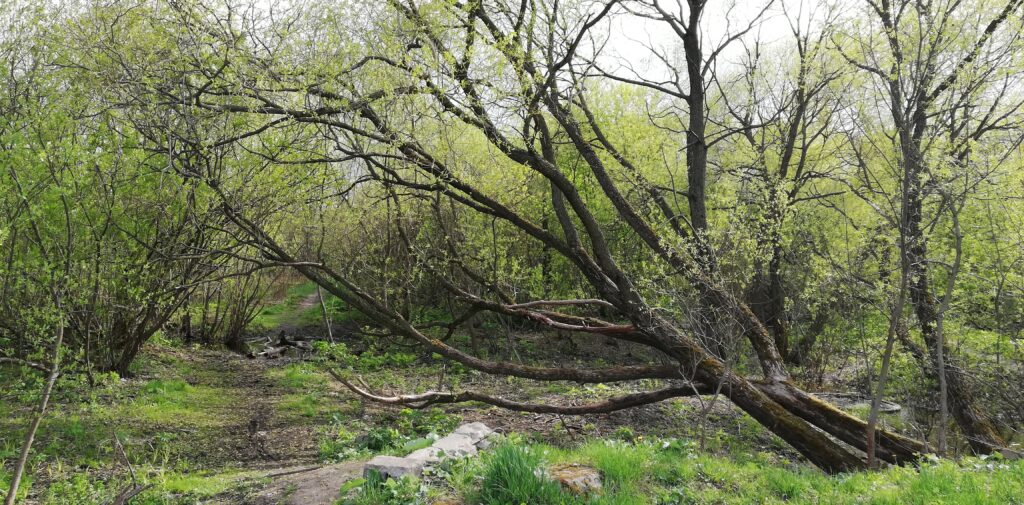
A tree falling onto your home or driveway is a dangerous situation that requires quick but careful action. Your first priority is protecting people, not saving the tree or clearing debris. Stay away from the damaged area, check everyone is safe, and contact the appropriate emergency services if power lines are involved or anyone is injured. Once the immediate danger has passed, arrange an inspection by a qualified arborist who provides Emergency Tree Removal Melbourne services. In this guide, we’ll explain exactly what to do, what not to do, how insurance usually works, and how professional arborists Melbourne safely remove fallen and storm-damaged trees.
Quick Summary
If a tree has fallen on your house or driveway:
- Make sure everyone is safe.
- Stay clear of the tree and damaged structures.
- Treat fallen powerlines as live and dangerous.
- Contact emergency services if required.
- Photograph the damage.
- Contact your insurer.
- Arrange professional tree removal Melbourne services.
- Don’t attempt to cut or move the tree yourself.
Acting quickly helps reduce further damage while keeping everyone safe.
Table of Contents
- Check That Everyone Is Safe
- Stay Away From the Tree
- Be Aware of Powerlines
- Assess the Damage from a Safe Distance
- Contact Your Insurance Company
- Call a Qualified Emergency Arborist
- Don’t Attempt DIY Tree Removal
- What Happens During Emergency Tree Removal?
- Should the Tree Be Removed Completely?
- Preventing Future Tree Failures
- Frequently Asked Questions
- Final Thoughts
1. Check That Everyone Is Safe
Your safety always comes first.
If a tree has struck your home:
- Check everyone inside the property.
- Leave the building if it is unsafe to remain inside.
- Stay clear of damaged walls or roofs.
- Call emergency services immediately if anyone is injured.
If the tree has fallen across your driveway but hasn’t damaged the house, avoid walking beneath unstable branches until the area has been assessed.
2. Stay Away From the Tree
A fallen tree may still be moving.
Large branches can remain under enormous tension, making them extremely unpredictable.
Avoid:
- Walking underneath hanging limbs.
- Climbing onto the tree.
- Pulling branches.
- Standing beneath damaged trees.
Storm-damaged trees often continue to shift long after they have fallen.
3. Be Aware of Powerlines
One of the biggest hazards is electricity.
If the tree is touching:
- Powerlines
- Service cables
- Electrical poles
Do not approach the tree.
Instead:
- Stay well away.
- Keep others away.
- Contact your electricity distributor immediately.
- Call emergency services if there is immediate danger.
Always assume fallen powerlines are live.
4. Assess the Damage from a Safe Distance
Once everyone is safe, inspect the situation without getting too close.
Take note of:
- Roof damage
- Broken windows
- Structural movement
- Blocked access
- Fallen branches
- Additional trees that appear unstable
Photographs taken from a safe location can be helpful for insurance claims.
5. Contact Your Insurance Company
Most home insurance policies cover storm-related tree damage, although every policy is different.
Your insurer may ask for:
- Photos of the damage
- The date and time of the incident
- Details of the storm
- A quote for emergency tree removal
- An arborist’s assessment if required
Avoid disposing of major sections of the tree until you’ve confirmed what documentation your insurer requires.
6. Call a Qualified Emergency Arborist
Emergency tree work is highly specialised.
Professional arborists Melbourne have the training and equipment needed to safely remove fallen or partially fallen trees without causing additional damage.
A qualified tree removal service will:
- Secure the site
- Assess remaining hazards
- Remove unstable limbs
- Dismantle the tree safely
- Protect surrounding structures
- Remove debris
- Leave the property safe
Many emergency removals require ropes, rigging systems, elevated work platforms, or cranes.
7. Don’t Attempt DIY Tree Removal
Many serious injuries occur after storms because homeowners try to clear trees themselves.
Avoid using:
- Chainsaws
- Ladders
- Tractors
- Winches
- Vehicles
Storm-damaged trees behave differently from healthy trees.
Branches may be:
- Bent under tension
- Supporting other limbs
- Partially attached
- Resting on damaged structures
Only trained professionals should remove them.
8. What Happens During Emergency Tree Removal?
Every situation is different, but the process generally includes:
Initial Risk Assessment
The arborist identifies immediate hazards.
Site Safety
Danger areas are isolated.
Controlled Dismantling
Branches are removed carefully using ropes or specialised equipment.
Removal of the Main Trunk
Large sections are lowered safely rather than dropped.
Site Clean-Up
Once the hazard has been removed:
- Branches are chipped.
- Timber is removed or left if requested.
- The site is cleaned.
If required, Stump Grinding Melbourne services can be arranged after the emergency has been resolved.
9. Should the Tree Be Removed Completely?
Not always.
After inspection, the arborist may determine that:
- Only damaged branches require removal.
- Structural pruning will restore the tree.
- The tree remains stable.
- Complete tree removal Melbourne is necessary.
Every recommendation is based on the tree’s condition rather than appearance alone.
10. Preventing Future Tree Failures
While storms can’t be prevented, many tree failures can.
Regular inspections by qualified arborist services Melbourne help identify:
- Deadwood
- Structural defects
- Root instability
- Disease
- Poor branch attachments
Routine tree pruning Melbourne also reduces the likelihood of branch failure during severe weather.
Large mature trees near homes should be inspected periodically, particularly after major storms.
Common Mistakes After a Tree Falls
Property owners often make decisions that increase risk or complicate insurance claims.
Avoid:
- Walking under damaged trees.
- Cutting branches before the tree is assessed.
- Moving timber before taking photographs.
- Ignoring nearby damaged trees.
- Assuming the remaining tree is stable.
- Hiring uninsured contractors for emergency work.
Professional advice immediately after the incident is always the safest approach.
Frequently Asked Questions
1. Should I leave my house if a tree falls on it?
If the tree has caused structural damage or there is any risk of collapse, leave the building immediately and contact emergency services if necessary.
2. Can I remove a fallen tree myself?
Large fallen trees should never be removed without professional equipment and training, especially if buildings or powerlines are involved.
3. Who should I call first?
If there is immediate danger, call emergency services. Otherwise, contact your insurer and a qualified provider of emergency tree removal Melbourne services.
4. What if the tree has brought down powerlines?
Stay well away from the area and contact your electricity distributor immediately. Never approach or touch the tree.
5. Will insurance cover tree removal?
Many home insurance policies cover storm-related tree removal and property damage, but you should check your specific policy.
6. How quickly can an arborist respond?
Many emergency arborists provide same-day or 24-hour response services, particularly after severe storms.
7. Should the stump also be removed?
Not immediately. Once the emergency has been resolved, you can discuss stump grinding Melbourne or complete stump removal if required.
8. What if the tree came from my neighbour’s property?
Liability depends on the circumstances and your insurance policy. Your insurer can advise you, and an arborist may be able to document the tree’s condition.
9. Can a partially fallen tree be saved?
Sometimes. If the tree remains structurally sound, an arborist may recommend pruning or corrective work rather than complete removal.
10. How can I reduce the risk of another tree falling?
Regular inspections, professional pruning, and early treatment of defects significantly reduce the likelihood of future failures.
Final Thoughts
A tree falling on your home or driveway is stressful, but taking the right steps immediately can protect your family, reduce further damage, and make the recovery process much smoother. Focus first on safety, avoid entering hazardous areas, document the damage, and contact experienced professionals who can assess and manage the situation correctly. Trying to clear a fallen tree without the proper equipment or training can place you at even greater risk.
At Banyan Tree Care, we provide fast and reliable emergency tree removal Melbourne, professional tree removal Melbourne, Tree Risk Assessments, storm damage response, and expert arborist services Melbourne across residential and commercial properties. Whether a tree has fallen on your house, blocked your driveway, or become unstable after severe weather, our experienced arborists have the equipment and expertise to make the area safe and remove the tree with minimal additional damage. If you need urgent assistance after storm damage, contact Banyan Tree Care on 0432 277 627. We’ll respond quickly, assess the situation professionally, and help you restore safety to your property.