
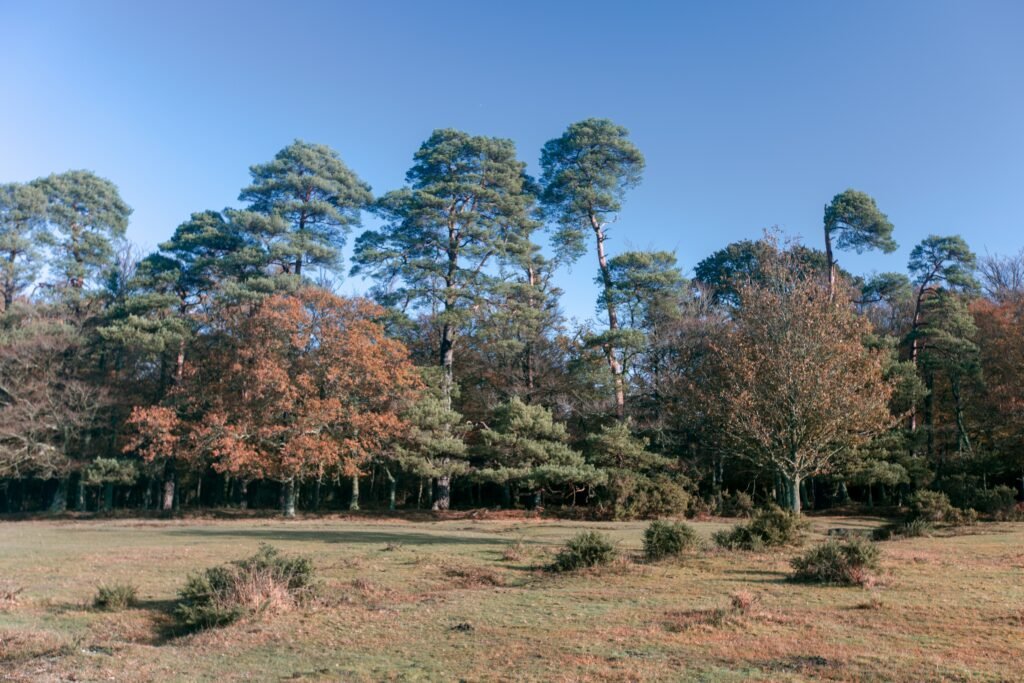
The native trees that need the least ongoing maintenance are usually the ones matched properly to the site, soil, available space and future canopy size. A low-maintenance native tree in one Melbourne backyard may become a high-maintenance problem in another if it is planted too close to a house, driveway, fence, pool or underground services.
For Melbourne properties, good low-maintenance choices often include smaller or medium-sized native trees such as bottlebrush, sweet bursaria, water gum, black sheoak, coastal banksia, kurrajong, selected wattles and some compact eucalyptus varieties. These trees can still need formative pruning, watering while young and occasional inspections, but they are generally easier to manage than large trees planted in tight spaces.
Quick Summary
Low-maintenance native trees usually have:
- Suitable mature size for the property
- Good drought tolerance once established
- Limited need for heavy pruning
- Strong structure when trained young
- Moderate root behaviour
- Good local climate suitability
- Lower risk of major limb problems
- Enough space away from buildings
- Wildlife and canopy benefits
- Manageable leaf, flower or seed litter
The lowest maintenance tree is not always the smallest tree. It is the tree planted in the right position.
Table of Contents
- What Makes a Native Tree Low Maintenance?
- Best Low-Maintenance Native Trees for Melbourne
- Small Native Trees for Suburban Gardens
- Medium Native Trees for Larger Spaces
- Trees That May Need More Maintenance
- Why Placement Matters More Than Species Alone
- Common Mistakes to Avoid
- FAQs
- Summary
- Call Banyan Tree Care
1. What Makes a Native Tree Low Maintenance?
A low-maintenance tree is not a tree you can ignore completely. It is a tree that grows well with limited intervention once established.
Good low-maintenance features include:
- Tolerance of Melbourne conditions
- Strong natural form
- Limited pest issues
- Good drought resilience
- Suitable mature height
- Suitable canopy spread
- Low need for repeated pruning
- Roots that suit the available space
- Minimal conflict with buildings or paving
Australian Plants Society Victoria notes that many drought-tolerant native plants have adaptations that help reduce water loss and cope with hot sun, and that many can grow well in Melbourne’s climate without ongoing supplementary watering once established.
The establishment period still matters. Even hardy native trees usually need watering, mulch, protection from damage and early structural pruning while young.
2. Best Low-Maintenance Native Trees for Melbourne
The best options depend on garden size, soil, drainage and distance from structures. As a general guide, these native trees are often suitable for lower-maintenance Melbourne gardens.
| Native Tree | Best For | Maintenance Notes |
| Bottlebrush | Small gardens, screening, wildlife | Light pruning after flowering may help shape |
| Sweet Bursaria | Habitat gardens, informal screening | Hardy, local feel, good for insects and birds |
| Water Gum | Courtyards, streetscapes, medium gardens | Attractive form, may need water during dry establishment |
| Black Sheoak | Larger gardens, native landscapes | Hardy, fine foliage, allow room |
| Coastal Banksia | Coastal and open gardens | Needs space, can drop cones and flowers |
| Kurrajong | Larger residential blocks | Drought tolerant once established, needs room |
| Selected Wattles | Quick screening, native gardens | Shorter-lived, may need replacement over time |
| Dwarf or compact gums | Feature trees | Choose carefully and allow canopy space |
City of Monash provides a list of native trees recommended for smaller gardens, which is useful because mature size is one of the main reasons tree maintenance becomes difficult in suburban properties.
3. Small Native Trees for Suburban Gardens
Small native trees are often the best choice for typical Melbourne backyards and front gardens.
Good options may include:
- Bottlebrush
- Sweet bursaria
- Coastal tea-tree
- Small wattles
- Compact banksia varieties
- Small melaleucas
- Native frangipani in suitable spots
These trees can provide screening, flowers, bird habitat and garden structure without becoming too large for the site.
Bottlebrush and melaleuca types are popular because they are hardy, attractive and useful for native birds. They may still need occasional pruning to maintain shape, keep paths clear and prevent branches from rubbing on fences or gutters.
Sweet bursaria is a good choice for habitat-focused gardens. It can suit informal spaces and supports local biodiversity, but it may not suit every formal landscape style.
4. Medium Native Trees for Larger Spaces
Medium native trees are better for larger blocks, wide nature strips, open backyards, acreage-style properties and commercial landscapes.
Options may include:
- Water gum
- Black sheoak
- Coastal banksia
- Kurrajong
- Yellow gum in suitable open areas
- Smaller-growing eucalyptus selections
These trees offer more shade and canopy value, but they also need more space. The City of Melbourne’s urban forest data highlights how tree species, size and lifespan are important parts of urban tree management, which is why mature size should be considered before planting.
A medium tree planted too close to a house can eventually need repeated pruning, root investigation or even Tree Removal Services Melbourne property owners were hoping to avoid.
5. Trees That May Need More Maintenance
Some native trees are beautiful but may not be low maintenance in small spaces.
Higher-maintenance situations may involve trees that:
- Grow too large for the block
- Drop heavy limbs
- Shed large amounts of bark, flowers or seed pods
- Have vigorous roots near paving
- Need repeated clearance pruning
- Grow too close to powerlines
- Develop weak branch unions
- Are planted in poor soil or compacted ground
Large gums, fast-growing wattles, tall banksias and some dense screening trees can become problematic if planted too close to buildings or boundaries.
This does not mean they are bad trees. It means they need the right space and proper management.
6. Why Placement Matters More Than Species Alone
The same tree can be low maintenance or high maintenance depending on where it is planted.
Before choosing a native tree, consider:
- Mature height
- Mature canopy width
- Distance from the house
- Distance from fences
- Driveway and paving location
- Sewer and drainage lines
- Neighbouring property
- Sun exposure
- Soil drainage
- Future pruning access
A tree planted too close to structures may require regular trimming, canopy reduction, gutter clearance, root pruning or removal. A well-placed tree may only need occasional inspection and light maintenance.
If you are unsure, speak with an arborist before planting. That one decision can prevent years of unnecessary tree problems.
7. Common Mistakes to Avoid
Avoid these mistakes when choosing native trees:
- Choosing a tree only because it is native
- Ignoring mature size
- Planting too close to the house
- Planting large gums in small gardens
- Assuming drought tolerant means no watering
- Forgetting early structural pruning
- Planting near sewer lines without advice
- Choosing fast growth over long-term suitability
- Ignoring leaf, flower or seed litter
- Waiting until the tree needs major pruning
A native tree can still become expensive if it is poorly selected or badly positioned.
FAQs
1. What is the lowest maintenance native tree for Melbourne?
There is no single lowest-maintenance tree. Bottlebrush, sweet bursaria, water gum, black sheoak and small melaleucas are good options if well placed. The best choice depends on site conditions. Correct placement is more important than species, as it reduces long-term pruning and maintenance needs.
2. Are native trees always low maintenance?
No. Native trees can still be high maintenance depending on size, growth habits and placement. Some drop branches, shed bark or grow too large. Maintenance is determined by species choice, site suitability and available space, not just whether the tree is native.
3. Do native trees need pruning?
Yes. Young trees often need formative pruning, and mature trees may need deadwood removal or canopy maintenance. Proper pruning improves structure and safety. Avoid poor lopping, as it can weaken trees and create long-term structural issues.
4. Which native trees should I avoid near my house?
Avoid large species like big gums, vigorous wattles and tall banksias close to buildings. Problems come from size, roots and canopy spread, not just species. If a tree may overhang roofs or affect structures, choose a smaller variety or plant it further away.
5. Can low-maintenance native trees still cause problems?
Yes. Even hardy natives can cause issues if poorly placed or planted in unsuitable soil. Problems include root damage, structural weakness or interference with services. Regular inspections help prevent costly pruning or removal later.
6. When should I call an arborist before planting?
Call an arborist when planning shade trees, replacing removed trees, or planting near buildings, drains or small spaces. Professional advice helps match species to site conditions and prevents future maintenance or removal issues.
Summary
The native trees that need the least ongoing maintenance are the ones chosen for the correct space. Bottlebrush, sweet bursaria, water gum, black sheoak, coastal banksia, kurrajong, selected wattles and compact gums can all be suitable in the right Melbourne garden.
Low maintenance does not mean no maintenance. Young trees need watering and structure training, while mature trees may still need inspections, light pruning and storm checks. The best long-term result comes from matching the tree’s mature size, roots and canopy to the property.
Call Banyan Tree Care for Native Tree Advice in Melbourne
If you are choosing a native tree or replacing a removed tree, Banyan Tree Care can help you select the right option for your property.
We provide tree inspections, planting advice, tree pruning, canopy management, Arborist Reports, Stump Grinding, tree risk assessments and professional tree removal services Melbourne property owners can rely on when a tree is unsafe or unsuitable. Call Banyan Tree Care on 0432 277 627 to arrange a professional arborist assessment.