
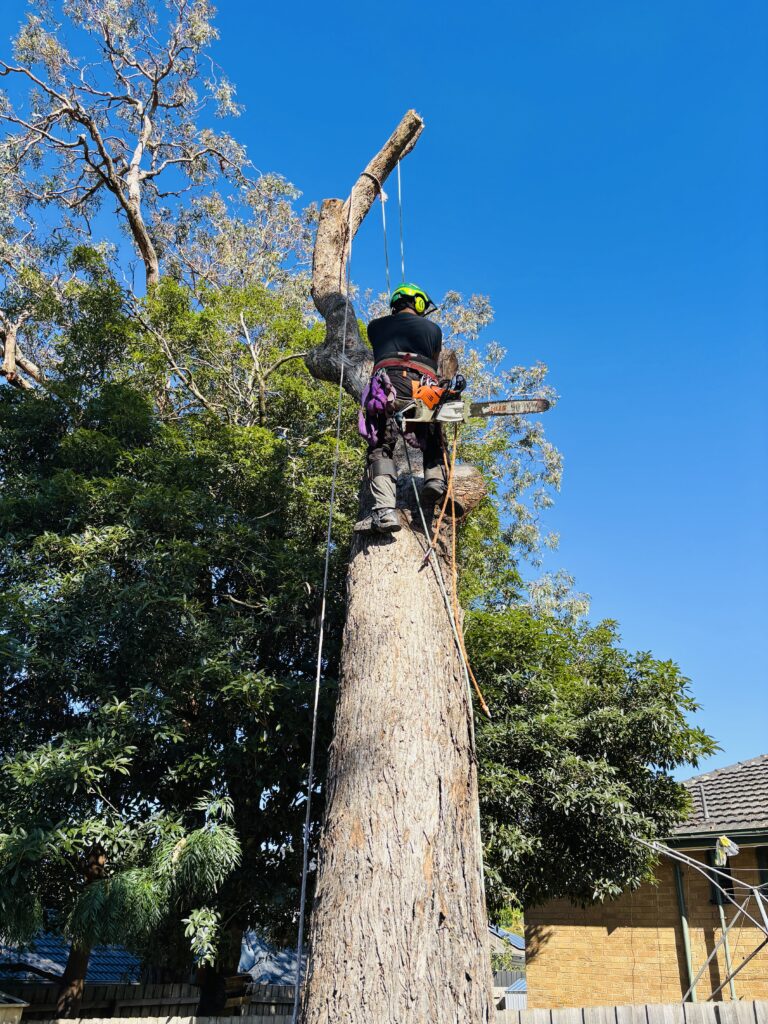
You may need Emergency Tree Removal in Melbourne if it poses an immediate risk to people, property, vehicles, or power lines. Warning signs include a tree that has partially fallen, is leaning suddenly, has major cracks in the trunk, large hanging branches, severe storm damage, or visible root failure. While some tree issues can wait for routine maintenance, others require urgent attention to prevent injury or costly property damage. In this article, we’ll explain the key signs that a tree needs urgent removal, the risks of delaying action, and when to contact professional arborists in Melbourne for prompt assistance.
What Is Emergency Tree Removal?
Emergency tree removal is the urgent removal of a tree or large branches that present an immediate danger.
Unlike planned tree work, emergency removals are typically required after:
- Severe storms
- High winds
- Lightning strikes
- Vehicle impacts
- Sudden structural failure
- Root collapse
The priority is to make the area safe as quickly as possible.
A Tree Has Fallen or Is Partially Fallen
This is one of the clearest signs that urgent action is required.
A fallen tree can:
- Damage homes and buildings
- Block driveways and access points
- Bring down power lines
- Create hazards for pedestrians and vehicles
Even if the tree hasn’t completely fallen, a partially collapsed tree can be extremely unstable.
Professional tree removal service providers should assess the situation immediately.
The Tree Has Suddenly Started Leaning
Not all leaning trees are dangerous, but a sudden change in position is a major warning sign.
Look for:
- Fresh soil cracks around the base
- Exposed roots
- Soil lifting on one side
- Increased lean after a storm
These signs often indicate root failure and the potential for complete collapse.
Large Cracks Have Appeared in the Trunk
A cracked trunk can mean the tree’s structure has been compromised.
Warning signs include:
- Deep vertical cracks
- Splits where major limbs meet the trunk
- Visible separation in the wood
Trees with significant trunk damage can fail without warning, particularly during windy conditions.
Large Branches Are Hanging or Broken
Storms and strong winds can leave branches suspended in the canopy.
These branches may appear stable but can fall at any time.
Common risks include:
- Injury to people below
- Damage to roofs, cars, and fences
- Blocked access around the property
Large hanging limbs should be treated as an emergency.
The Root System Is Failing
Roots keep a tree anchored and stable.
Signs of root failure include:
- Uplifted soil around the base
- Exposed roots
- Mushrooms or fungal growth
- Sudden leaning
When roots fail, the entire tree can come down with little warning.
Storm Damage Has Weakened the Tree
After severe weather, it’s important to inspect trees carefully.
Emergency removal may be necessary if:
- The canopy has split
- Major limbs have snapped
- The trunk has been damaged
- The tree is resting on another structure
Storm-damaged trees often become unstable even if they remain standing.
The Tree Is Touching Power Lines
Trees in contact with power lines are extremely dangerous.
Never attempt to:
- Cut branches near electrical lines
- Remove the tree yourself
- Touch fallen limbs near cables
This situation requires immediate professional assistance and may involve the local power authority.
The Tree Is Damaging Your Home
Emergency removal may be necessary when a tree is actively affecting a structure.
Examples include:
- Branches resting on a roof
- A trunk pressing against a building
- Roots causing sudden structural damage
The longer the issue remains, the greater the risk of further damage.
Signs a Tree Could Fail Soon
Even if a tree is still standing, these warning signs should never be ignored:
- Dead branches throughout the canopy
- Hollow sections in the trunk
- Significant decay
- Severe pest infestations
- Large cavities
- Major limb cracks
A professional assessment can determine whether urgent removal is required.
Why You Should Never Delay Emergency Tree Removal
Waiting can increase:
- Property damage
- Repair costs
- Safety risks
- Insurance complications
A tree that looks stable today may fail tomorrow during the next storm or high-wind event.
Early action is always the safer option.
Why DIY Emergency Tree Removal Is Dangerous
Emergency tree work is one of the most hazardous types of arboriculture.
Risks include:
- Falling branches
- Unstable trunks
- Chainsaw injuries
- Electrocution near power lines
- Property damage
Qualified Arborists in Melbourne use specialised equipment and safety procedures to manage these risks properly.
How Professional Arborists Handle Emergency Tree Removal
A professional tree removal service will typically:
- Assess the immediate danger
- Secure the area
- Remove hazardous limbs
- Dismantle the tree safely
- Remove debris and clean the site
The goal is to eliminate the hazard while protecting nearby structures.
Why Melbourne Homeowners Choose Banyan Tree Care
When tree emergencies happen, fast and professional action matters.
Banyan Tree Care provides:
- Emergency tree removal Melbourne services
- Experienced arborists in Melbourne
- Safe storm damage response
- Hazardous tree assessments
- Complete clean-up after removal
Our team responds quickly and prioritises safety at every stage.
Need Emergency Tree Removal in Melbourne?
If you believe a tree on your property is at risk of falling or has already been damaged, don’t wait for the situation to worsen. Contact Banyan Tree Care for fast, professional Tree Removal Melbourne services and expert advice from qualified arborists in Melbourne. We’ll assess the risk, make the area safe, and provide the most effective solution for your property.