
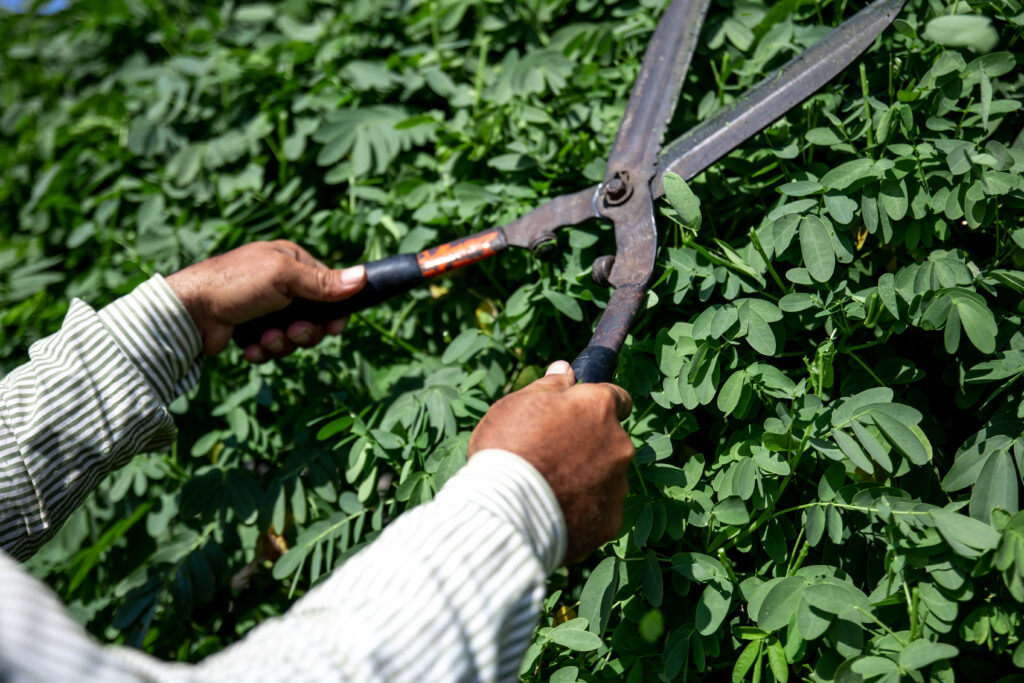
Choosing the right location for planting a tree is one of the most important decisions you can make for long-term tree health, property safety and future maintenance costs. A tree that looks small in the nursery can become a major problem if it is planted too close to a house, driveway, fence, powerline, drain or neighbouring property. The right location gives the tree enough space for mature canopy growth, healthy root development, sunlight, water and safe clearance from structures. A qualified arborist can assess your site, recommend suitable species, and help you avoid future problems such as root damage, poor growth, heavy pruning, storm risk or unnecessary tree removal in Melbourne.
Quick Summary
To choose the right tree planting location:
- Consider the tree’s mature height and canopy spread
- Allow enough room for root growth
- Keep trees away from house foundations, drains and paving
- Check sunlight, wind and soil conditions
- Avoid planting under powerlines
- Consider future pruning and maintenance access
- Choose species suited to Melbourne’s climate and soil
- Think about shade, privacy, habitat and long-term property use
- Check council rules if planting near boundaries or protected areas
- Ask a qualified arborist for advice before planting large-growing trees
A good planting location prevents future damage, reduces maintenance, and gives the tree the best chance of becoming healthy and long-lived.
Table of Contents
- Why Tree Location Matters
- Think About the Tree’s Mature Size
- Allow Enough Space for Roots
- Keep Trees Away From House Foundations
- Avoid Planting Too Close to Drains and Pipes
- Consider Driveways, Paths and Paving
- Check Overhead Powerlines and Roof Clearance
- Understand Sunlight and Shade Patterns
- Match the Tree to the Soil
- Consider Wind Exposure and Storm Risk
- Plant for Privacy, Shade and Property Value
- Think About Neighbouring Properties
- Choose the Right Species for Melbourne Conditions
- Plan for Future Tree Pruning and Maintenance
- When to Ask an Arborist Before Planting
- Common Mistakes Homeowners Make
- FAQs
- Summary
- Call Banyan Tree Care
1. Why Tree Location Matters
A tree’s location affects almost everything about its future.
It influences:
- Root development
- Canopy shape
- Tree health
- Water needs
- Pruning requirements
- Storm resilience
- Property safety
- Long-term maintenance costs
Many tree problems begin with poor planting decisions.
A tree planted in the wrong place may later interfere with:
- House foundations
- Driveways
- Footpaths
- Fences
- Gutters
- Rooflines
- Drains
- Powerlines
- Neighbouring properties
- Views and access
In many cases, future tree removal Melbourne service could have been avoided by choosing a better planting location at the start.
2. Think About the Tree’s Mature Size
The small tree you plant today may become much larger than expected.
Before planting, check the tree’s expected mature:
- Height
- Canopy width
- Root spread
- Trunk size
- Growth rate
- Form and shape
A tree that grows to 3 metres may suit a small courtyard.
A tree that grows to 20 metres needs much more space.
Large trees can be excellent for shade, cooling, habitat and streetscape value, but they need room to develop safely.
Planting a large-growing tree in a narrow side passage, beside a house wall or under powerlines usually creates long-term problems.
A qualified arborist in Melbourne can help match the mature tree size to the available space.
3. Allow Enough Space for Roots
Roots need space just as much as branches do.
Tree roots help with:
- Water absorption
- Nutrient uptake
- Stability
- Energy storage
- Soil interaction
- Drought resilience
Many important roots grow close to the surface, especially in the upper soil layers where oxygen and moisture are available.
If a tree is planted in a restricted space, roots may compete with:
- Concrete
- Paving
- Retaining walls
- Pipes
- Footings
- Other trees
- Compacted soil
Poor root space can lead to weak growth, lifted paving, drainage problems or future root pruning concerns.
A tree should be planted where the root system can expand without constant conflict.
4. Keep Trees Away From House Foundations
Trees should be planted at a sensible distance from house foundations.
Tree roots do not usually break strong foundations directly, but they can contribute to problems where soil, moisture and building conditions are already sensitive.
Risk may increase when:
- The tree grows large
- The soil is reactive clay
- Footings are shallow
- Drainage is poor
- The tree is planted too close
- Existing cracks are present
- Pipes leak near the foundation
In Melbourne, many properties have clay soils that expand and shrink with moisture changes.
Large trees can influence soil moisture near buildings, especially during dry periods.
This does not mean large trees should never be planted near homes. It means species choice, distance and soil conditions need careful planning.
5. Avoid Planting Too Close to Drains and Pipes
Tree roots often grow towards moisture.
Damaged or leaking pipes can attract roots.
Roots may enter:
- Old sewer pipes
- Cracked stormwater drains
- Poorly joined pipes
- Damaged agricultural drains
- Leaking inspection points
Once inside, roots can cause blockages and ongoing plumbing problems.
When choosing a planting location, identify nearby underground services where possible.
Avoid planting large-growing trees directly over or close to:
- Sewer lines
- Stormwater pipes
- Water lines
- Gas lines
- Electrical conduits
- Telecommunications pits
If you are unsure where services are located, check plans, speak with the relevant service provider, or get professional advice before planting.
6. Consider Driveways, Paths and Paving
Tree roots and hard surfaces often come into conflict.
Planting too close to paving can lead to:
- Lifted concrete
- Cracked paths
- Uneven driveways
- Trip hazards
- Expensive repairs
- Root pruning requests
- Premature tree removal
This is especially common where large trees are planted in narrow strips beside driveways or footpaths.
Better options may include:
- Choosing smaller-growing species
- Using flexible paving materials
- Allowing wider planting beds
- Using mulch rather than concrete near the trunk
- Designing paths around root zones
- Planting further away from hard surfaces
A good location gives both the tree and the hard surface enough space to function.
7. Check Overhead Powerlines and Roof Clearance
Before planting, always look up.
Many future pruning problems happen because trees are planted under powerlines or too close to roofs.
Avoid planting large-growing trees beneath:
- Powerlines
- Service lines
- Roof eaves
- Solar panels
- Gutters
- Balconies
- Upper-storey windows
Branches growing into these areas may require repeated pruning.
Powerline pruning can be dangerous and may require authorised contractors.
If planting beneath overhead services, choose small trees or shrubs that will remain well below the clearance zone at maturity.
This reduces future tree pruning costs and prevents unsafe pruning situations.
8. Understand Sunlight and Shade Patterns
Different trees need different levels of sunlight.
Some trees need full sun.
Others tolerate part shade.
Before planting, observe the site at different times of the day.
Consider:
- Morning sun
- Afternoon sun
- Shade from buildings
- Shade from fences
- Shade from existing trees
- Seasonal sun changes
- Heat reflected from paving or walls
A tree planted in the wrong light conditions may become weak, stretched, sparse or stressed.
Sunlight also affects how the tree will shade your home.
A well-placed deciduous tree can provide summer shade while allowing winter light. Evergreen trees can provide year-round screening, but they may also block winter sunlight if planted in the wrong position.
9. Match the Tree to the Soil
Soil conditions strongly affect tree success.
Before planting, consider whether the soil is:
- Clay
- Sandy
- Compacted
- Poorly drained
- Rocky
- Waterlogged
- Dry
- Nutrient poor
- Recently disturbed
A tree that thrives in one Melbourne suburb may struggle in another because soil conditions differ.
Poor drainage can cause root rot.
Compacted soil can restrict root growth.
Dry sandy soil may stress moisture-loving species.
Clay soil may suit some trees but create issues near buildings if water movement is not managed.
A qualified arborist can assess soil conditions and recommend species that suit the site.
10. Consider Wind Exposure and Storm Risk
Wind exposure should influence tree location and species selection.
Open sites, corner blocks, hilltop properties and coastal areas may expose trees to stronger winds.
A tree planted in a windy location needs:
- Good root space
- Suitable species selection
- Proper planting technique
- Early structural pruning
- Enough room for natural movement
- Ongoing monitoring
Avoid planting trees with poor structure or brittle wood in high-risk locations near homes, schools, car parks or commercial buildings.
Good early planning can reduce future storm damaged tree issues and emergency tree removal Melbourne service requests.
11. Plant for Privacy, Shade and Property Value
Trees are not only planted to fill empty space.
They can be used strategically.
A good planting location can provide:
- Summer shade
- Privacy from neighbours
- Screening from roads
- Improved street appeal
- Better outdoor comfort
- Habitat for birds and insects
- Cooling around paved areas
- Reduced glare
- Improved property value
For example, a tree on the western side of a home may help reduce afternoon heat. A smaller screening tree near a boundary may improve privacy without overwhelming the property.
The key is choosing the right tree for the purpose and giving it enough room to grow.
12. Think About Neighbouring Properties
Trees do not stop growing at fence lines.
Before planting near a boundary, consider how the tree may affect neighbours in future.
Possible issues include:
- Overhanging branches
- Leaf litter in gutters
- Fruit drop
- Root spread
- Shade
- Fence pressure
- Blocked views
- Disputes over pruning
- Access for maintenance
Planting slightly further inside your property can reduce future conflict.
If you want screening near a fence, choose a species with a mature size suited to the boundary space.
For large-growing trees, professional arborist advice is recommended before planting close to neighbouring homes.
13. Choose the Right Species for Melbourne Conditions
Species choice and location must work together.
A tree should suit:
- Available space
- Soil type
- Sun exposure
- Water availability
- Wind exposure
- Maintenance expectations
- Nearby structures
- Desired function
- Local climate
- Biodiversity goals
Common options for gardens may include native trees, ornamental trees, screening trees, small feature trees and shade trees.
Large gum trees and eucalyptus species can be excellent in suitable spaces, but they are often unsuitable for small yards close to buildings.
Palms may suit some landscape designs, but palm tree removal can become necessary later if they are planted too close to pools, fences or structures.
A tree should be selected for its mature form, not its nursery size.
14. Plan for Future Tree Pruning and Maintenance
Every tree needs some level of care.
When choosing a location, think about future access.
Ask:
- Can an arborist safely access the tree later?
- Will branches grow over roofs or pools?
- Will pruning equipment have room?
- Will the tree be reachable without damaging gardens?
- Will waste removal be practical?
- Will the tree require regular crown lifting or reduction?
- Will falling leaves, fruit or bark create issues?
Good access reduces future maintenance cost.
Poor access can make tree pruning, tree removal, stump grinding and emergency tree work more difficult and expensive.
15. When to Ask an Arborist Before Planting
Arborist advice is especially useful when planting:
- Large-growing trees
- Trees close to buildings
- Trees near drains or services
- Trees near retaining walls
- Trees near driveways
- Trees close to boundaries
- Trees on development sites
- Trees required for replacement planting
- Trees near existing mature trees
- Trees on clay soil
- Trees in commercial or public spaces
A qualified arborist can help with:
- Species selection
- Planting location
- Soil preparation
- Root space
- Future pruning requirements
- Risk reduction
- Tree protection planning
- Long-term maintenance advice
This advice can prevent major problems years later.
16. Common Mistakes Homeowners Make
Many planting mistakes are easy to avoid.
Common mistakes include:
- Planting too close to the house
- Ignoring mature tree size
- Planting under powerlines
- Choosing fast-growing species without considering future size
- Planting beside sewer lines or stormwater drains
- Planting too close to driveways
- Ignoring soil conditions
- Planting in compacted soil
- Choosing a tree only for appearance
- Forgetting future pruning access
- Planting large trees in small courtyards
- Ignoring neighbour impact
- Planting too deep
- Over-mulching against the trunk
- Failing to water during establishment
The right location and correct planting method both matter.
A well-chosen tree can still fail if planted poorly.
FAQs
1. How far should a tree be planted from a house?
The right distance depends on the tree species, mature size, root behaviour, soil type and foundation design. Small ornamental trees may be suitable closer to a house, while large trees need much more space. In Melbourne, clay soils and drainage conditions can also affect risk. A qualified arborist can recommend a suitable distance for your specific site and tree species.
2. Can I plant a tree near a driveway?
Yes, but choose the species carefully and allow enough root space. Large roots can lift concrete, crack paving and create trip hazards if planted too close. Smaller-growing trees, wider planting beds, permeable paving and flexible surfaces may reduce future problems. If the driveway is narrow or close to the house, arborist advice is recommended before planting.
3. What trees should I avoid planting near foundations?
Avoid large, fast-growing or high water demand trees too close to foundations, especially on reactive clay soil. This may include some eucalyptus, ficus, willow, poplar and large ornamental species depending on the site. The species itself is only one factor. Soil, drainage, mature size and distance from the house all matter.
4. Can tree roots damage sewer pipes?
Tree roots can enter sewer pipes if the pipes are already cracked, leaking or poorly joined. Roots are attracted to moisture. Planting large trees close to old sewer lines can increase future blockage risk. Before planting, identify service locations and choose a tree with a suitable mature root system for the available space.
5. Should I plant a tree under powerlines?
Only small-growing trees or shrubs should be planted under powerlines. Large trees will require repeated pruning and may create safety hazards. Powerline pruning should only be handled by authorised or properly trained professionals. Always check the mature height of the tree before planting beneath overhead services.
6. What is the best tree for a small backyard?
The best tree depends on available space, sunlight, soil, privacy needs and maintenance expectations. Small ornamental trees, compact native species or screening trees may suit smaller yards. Avoid choosing a tree only because it looks attractive in the nursery. Always check mature height, canopy spread and root behaviour before planting.
7. Should I consider the tree’s roots or canopy more?
Both matter. The canopy affects shade, clearance, pruning and overhead space. Roots affect stability, paving, drains, foundations and soil health. A tree needs enough room above ground and below ground. Many planting problems happen because homeowners only consider what the young tree looks like above ground.
8. Can I plant close to a boundary fence?
You can plant near a boundary, but consider mature canopy spread, roots, leaf drop and neighbour impact. A tree planted too close to a fence may damage the fence or create disputes over overhanging branches. Smaller screening trees or shrubs may be better for tight boundary spaces. Large trees need more room.
9. What soil is best for planting trees?
Most trees need soil that allows air, water and roots to move properly. The ideal soil depends on species. Some trees tolerate clay, while others prefer well-drained soil. Compacted, waterlogged or very dry soils may need improvement before planting. An arborist can assess soil conditions and recommend suitable species.
10. Is it better to plant native trees?
Native trees can be excellent for local biodiversity, habitat and climate suitability, but they still need to match the space. Some native trees grow very large and may not suit small residential blocks. The best tree is one that suits the property, soil, mature size, maintenance expectations and surrounding structures.
11. Can I plant a tree where another tree was removed?
Yes, but it may be better to plant slightly away from the old stump location. Old roots, stump grindings, soil disturbance and possible disease issues can affect the new tree. If the previous tree was removed due to root rot or disease, get arborist advice before replanting in the same location.
12. How do I know if a tree will get too big?
Check the expected mature height and canopy spread before planting. Nursery labels can help, but local arborist advice is more reliable because growth depends on climate, soil and site conditions. If the mature canopy will touch the house, powerlines, fence or driveway, choose a smaller species or a better location.
13. Can the right location reduce future pruning costs?
Yes. Planting the right tree in the right location greatly reduces future pruning costs. Trees planted too close to roofs, paths, powerlines and fences often need repeated pruning. Trees planted with enough space can grow naturally with less intervention. Good planning saves money over the life of the tree.
14. Should I ask an arborist before planting a tree?
Yes, especially if the tree will be large, near a house, close to drains, beside a driveway, near a boundary or part of a development site. A qualified arborist can recommend species, location, soil preparation and future maintenance needs. This helps avoid expensive mistakes and unnecessary tree removal later.
15. Can Banyan Tree Care help choose where to plant a tree?
Yes. Banyan Tree Care can inspect your property, assess available space, soil, nearby structures, underground services and long-term tree risks. We can recommend suitable planting locations, advise on species selection, and provide arborist services for tree health, pruning, root management and future maintenance planning.
Summary
Choosing the right location for planting a tree means thinking beyond how the tree looks today. You need to consider mature size, root spread, soil, sunlight, drainage, foundations, pipes, driveways, fences, powerlines, neighbours and future maintenance. A good location allows the tree to grow naturally without creating ongoing conflict with the property.
The right tree in the right place can provide shade, privacy, habitat, cooling and long-term property value. The wrong tree in the wrong place can lead to root problems, heavy pruning, neighbour disputes, storm risk and future tree removal.
Before planting a large tree or planting near structures, get professional advice. A short consultation now can prevent decades of problems.
Call Banyan Tree Care for Tree Planting Advice in Melbourne
If you are planning to plant a tree and want to choose the right location, Banyan Tree Care can help.
We provide professional Arborist Services in Melbourne, tree selection advice, planting location assessments, Tree Risk Assessments, Arborist Reports, tree pruning, root management, stump grinding in Melbourne and safe tree removal Melbourne where removal is genuinely required. Contact Banyan Tree Care on 0432 277 627 to arrange professional advice before planting.