
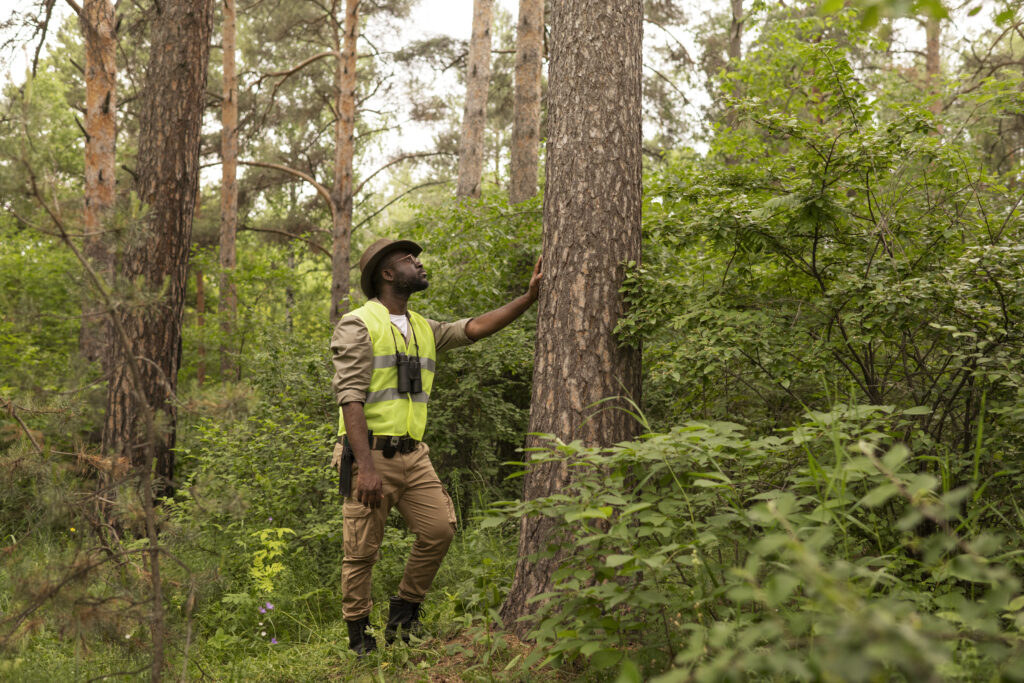
A professional Tree Risk Assessment is a systematic inspection carried out by a qualified arborist to determine whether a tree poses an unacceptable risk to people, property, vehicles, or infrastructure. It goes far beyond simply looking at a tree from the ground. The assessment considers the tree’s health, structural condition, root stability, surrounding environment, and the likelihood of failure before recommending management options such as Tree Pruning Melbourne, ongoing monitoring, cabling, or tree removal Melbourne. The aim is not to remove every tree with a defect, but to identify genuine hazards while preserving healthy trees wherever possible.
Quick Summary
A Tree Risk Assessment helps answer important questions such as:
- Is the tree structurally safe?
- Could branches or the whole tree fail?
- Is the tree likely to damage a house or neighbouring property?
- Can the tree be retained safely?
- Does it require pruning or maintenance?
- Is emergency tree removal necessary?
- Should an Arborist Report be prepared for council?
Professional assessments help property owners make informed decisions before small problems become expensive emergencies.
Table of Contents
- What Is a Tree Risk Assessment?
- Why Tree Risk Assessments Are Important
- When Should You Arrange a Tree Risk Assessment?
- What Does an Arborist Look For?
- How Tree Risk Is Evaluated
- Common Defects Found During Assessments
- Can a Tree Be Dangerous Even if It Looks Healthy?
- What Happens After the Assessment?
- Do You Need a Tree Risk Assessment for Council?
- Australian Standards and Industry Best Practice
- Common Mistakes Property Owners Make
- Frequently Asked Questions
- Final Thoughts
What Is a Tree Risk Assessment?
A Tree Risk Assessment is a professional evaluation of a tree’s condition and the level of risk it presents.
Rather than asking:
“Is this tree healthy?”
The assessment asks:
- How likely is the tree to fail?
- Which part could fail?
- What could it hit?
- What would the consequences be?
- Can the risk be managed without removing the tree?
This balanced approach allows arborists to protect both public safety and valuable trees.
Why Tree Risk Assessments Are Important
Trees naturally develop defects as they age.
Some defects are harmless.
Others increase the likelihood of:
- Falling branches
- Trunk failure
- Root failure
- Complete tree collapse
A professional Tree Risk Assessment identifies these issues before they result in:
- Property damage
- Personal injury
- Emergency tree removal Melbourne
- Insurance claims
- Costly repairs
Preventative inspections almost always cost less than responding to an emergency.
When Should You Arrange a Tree Risk Assessment?
A Tree Risk Assessment is recommended when:
A Tree Is Close to Your Home
Large mature trees overhanging roofs or driveways should be inspected periodically.
After Severe Storms
High winds and heavy rain can create hidden structural damage.
Before Buying or Selling Property
Understanding the condition of significant trees can prevent future surprises.
Before Construction Begins
Building works often affect tree roots and Tree Protection Zones.
If the Tree Is Showing Signs of Decline
Examples include:
- Dead branches
- Leaning
- Fungal growth
- Cracks
- Sparse canopy
- Root damage
When Council Requests an Arborist Report
Many Melbourne councils require professional assessments before approving tree removal or development near protected trees.
What Does an Arborist Look For?
A qualified arborist Melbourne carries out a detailed inspection of the entire tree and surrounding site.
Tree Health
The arborist examines:
- Leaf size
- Leaf colour
- Canopy density
- New growth
- Deadwood
- Pest activity
- Disease symptoms
Healthy trees generally tolerate environmental stresses better than declining trees.
Structural Integrity
The trunk and branches are inspected for:
- Cracks
- Cavities
- Weak branch unions
- Included bark
- Decay
- Storm damage
- Previous poor pruning
Even small structural defects can become significant if the tree is located near people or buildings.
Root System
Many dangerous defects occur below ground.
The arborist assesses:
- Root flare
- Soil movement
- Root damage
- Drainage
- Root decay
- Soil compaction
- Construction impacts
Root failure is one of the leading causes of whole-tree collapse.
Site Conditions
The surrounding environment influences the overall level of risk.
Questions include:
- Is the tree close to a house?
- Does it overhang neighbouring properties?
- Is there regular pedestrian traffic?
- Are vehicles parked beneath it?
- Are powerlines nearby?
The same defect may require different management depending on the location.
How Tree Risk Is Evaluated
Professional arborists don’t simply decide whether a tree is “safe” or “unsafe.”
Instead, they evaluate several key factors.
Likelihood of Failure
How likely is it that the tree, trunk, or branch will fail?
Likelihood of Impact
If failure occurs, is there a realistic chance it will strike:
- People
- Homes
- Cars
- Public infrastructure
Consequences
Would failure result in:
- Minor inconvenience
- Property damage
- Serious injury
- Significant public risk
The final recommendation considers all three factors together.
Common Defects Found During Assessments
Professional Arborist Services Melbourne frequently identify:
- Deadwood
- Weak branch unions
- Hollow trunks
- Cavities
- Included bark
- Root damage
- Soil movement
- Leaning trees
- Fungal fruiting bodies
- Structural cracks
Many of these defects can be managed without removing the tree.
Can a Tree Be Dangerous Even if It Looks Healthy?
Yes.
This surprises many property owners.
A tree may have:
- A full green canopy
- Healthy leaves
- Normal seasonal growth
…while hiding:
- Internal decay
- Hollow trunks
- Root failure
- Weak branch attachments
This is why visual appearance alone should never determine whether a tree is safe.
What Happens After the Assessment?
Once the inspection is complete, the arborist provides recommendations based on the evidence collected.
Possible outcomes include:
No Action Required
The tree is healthy and poses an acceptable level of risk.
Routine Maintenance
Professional tree pruning Melbourne may remove dead branches or improve canopy structure.
Ongoing Monitoring
Some defects simply require periodic inspections.
Cabling or Bracing
Support systems may reduce the likelihood of structural failure.
Tree Removal
Professional tree removal Melbourne is recommended only when the level of risk cannot be reduced through other management options.
Do You Need a Tree Risk Assessment for Council?
Often, yes.
Many Melbourne councils require a professional assessment when:
- Applying for tree removal permits
- Building near significant trees
- Developing land
- Managing protected vegetation
A Tree Risk Assessment may form part of a larger Arborist Report prepared to support council applications.
Requirements vary between municipalities, so it’s important to check with your local council.
Australian Standards and Industry Best Practice
Professional arborists rely on recognised Australian Standards where appropriate.
AS 4373 – Pruning of Amenity Trees
Provides guidance on:
- Structural pruning
- Tree preservation
- Crown reduction
- Correct pruning practices
AS 4970 – Protection of Trees on Development Sites
Supports:
- Tree Protection Zones
- Root management
- Construction planning
- Long-term tree retention
Following recognised standards ensures recommendations are based on accepted arboricultural principles.
Real-World Example
A homeowner contacted Banyan Tree Care after noticing a large gum tree leaning slightly towards their garage following weeks of heavy rain. From a distance, the tree appeared healthy, with a full canopy and no obvious dead branches.
During the Tree Risk Assessment, our arborist identified fresh soil movement around the base, exposed structural roots, and fungal growth indicating root decay. While the canopy remained healthy, the root system had lost enough stability that the likelihood of failure during the next major storm was considered unacceptable.
In another assessment, a mature eucalyptus had several dead branches over a driveway but was otherwise structurally sound. Rather than recommending complete tree removal Melbourne, we carried out tree pruning Melbourne to remove the deadwood, reduce canopy weight, and scheduled follow-up inspections. The tree was retained safely, preserving its shade and landscape value.
These examples show why professional assessments focus on the whole tree rather than just what is visible from the ground.
Common Mistakes Property Owners Make
Many unnecessary emergencies occur because warning signs are ignored.
Common mistakes include:
- Assuming green leaves mean the tree is safe.
- Ignoring mushrooms around the base.
- Waiting until branches begin falling.
- Never inspecting mature trees.
- Hiring contractors who recommend removal without assessment.
- Confusing tree lopping with professional arboriculture.
- Delaying inspections after storms.
Routine Tree Risk Assessments help identify these issues before they become major hazards.
Frequently Asked Questions
1. What is the purpose of a Tree Risk Assessment?
Its purpose is to determine the likelihood of tree failure, identify potential targets, and recommend practical management options that reduce risk while preserving healthy trees where possible.
2. Is a Tree Risk Assessment the same as an Arborist Report?
Not always. A Tree Risk Assessment focuses on safety and risk, while an Arborist Report may also include information for council applications, development proposals, tree health, and management recommendations.
3. How long does a Tree Risk Assessment take?
Most residential assessments take between 30 minutes and an hour, depending on the size, number, and complexity of the trees being inspected.
4. Can a healthy-looking tree still fail?
Yes. Internal decay, hidden cavities, and root damage can significantly weaken a tree without affecting its appearance.
5. Do all trees with defects need removal?
No. Many defects can be managed through pruning, cabling, bracing, or ongoing monitoring.
6. Should mature trees be assessed regularly?
Yes. Large trees near homes, schools, commercial buildings, and public spaces should be inspected periodically, especially after severe weather.
7. Can a Tree Risk Assessment help with insurance claims?
It can provide valuable professional documentation about the tree’s condition and recommended management before or after an incident, although insurers have their own assessment processes.
8. What happens if the arborist recommends removal?
If removal is the safest option, the arborist will explain why, discuss any council approval requirements, and recommend the safest method of carrying out the work.
9. Can a Tree Risk Assessment reduce maintenance costs?
Yes. Identifying problems early often allows relatively minor pruning or management instead of expensive emergency tree work.
10. Who should carry out a Tree Risk Assessment?
A qualified arborist Melbourne with experience in tree inspections, structural assessments, and risk evaluation should perform the assessment.
Final Thoughts
A professional Tree Risk Assessment is one of the most valuable investments you can make if you have mature trees on your property. Rather than relying on appearances or assumptions, it provides an evidence-based evaluation of the tree’s health, structure, stability, and the potential risk it presents. In many cases, early identification of defects allows arborists to recommend maintenance that preserves the tree while reducing risk, avoiding unnecessary removal and costly emergency situations.
At Banyan Tree Care, we provide comprehensive Tree Risk Assessments, arborist services Melbourne, Arborist Reports, tree pruning Melbourne, and tree removal Melbourne for homeowners, commercial properties, schools, councils, and developers across Melbourne. Our experienced arborists combine practical field experience with recognised industry standards to deliver clear, honest recommendations that prioritise both public safety and long-term tree preservation. If you’re concerned about a tree near your home, business, or development site, contact Banyan Tree Care on 0432 277 627 to arrange a professional Tree Risk Assessment. A timely inspection can help protect your property, preserve valuable trees, and give you confidence that your landscape is being managed safely and responsibly.