
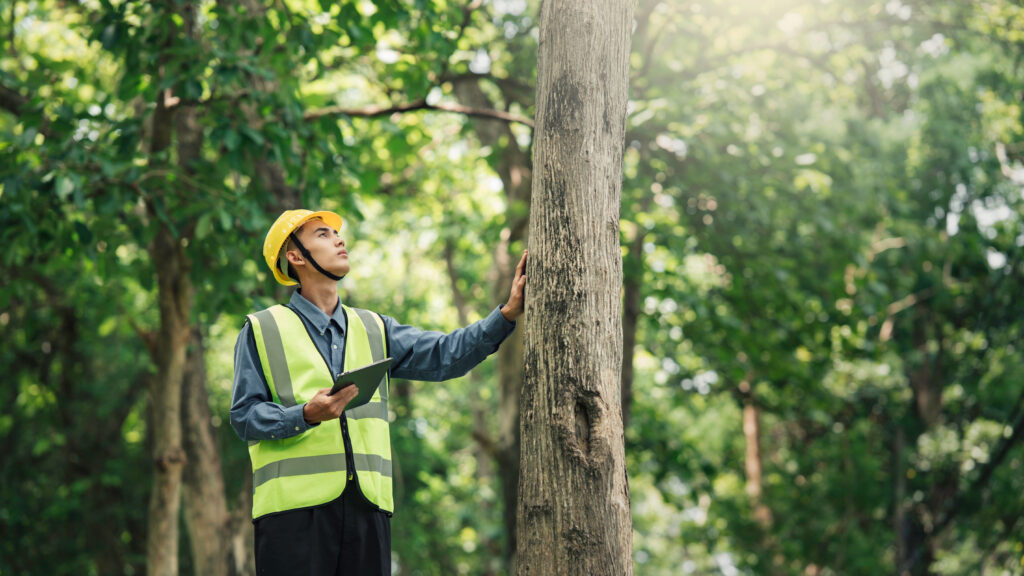
An Arborist Report is a professional document prepared by a qualified arborist that assesses a tree’s health, structure, condition, and management requirements. It is commonly used to support council applications, planning permits, development projects, insurance claims, legal matters, and tree management decisions. A comprehensive Arborist Report doesn’t simply state whether a tree should be removed. It explains the evidence behind the recommendation, documents the tree’s condition, evaluates any risks, and outlines appropriate management options such as tree pruning Melbourne, ongoing monitoring, tree protection measures, or Tree Removal Melbourne. This guide explains what is included in a professional Arborist Report and why it is an important document for property owners across Melbourne.
Quick Summary
A professional Arborist Report typically includes:
- Property and site details
- Purpose of the report
- Tree species identification
- Tree location
- Tree dimensions
- Tree health assessment
- Structural assessment
- Root zone assessment
- Site conditions
- Tree Risk Assessment where required
- Photographs
- Recommendations
- Council and development considerations where applicable
Every report is prepared to suit the purpose of the assessment and the requirements of the client or council.
Table of Contents
- What Is an Arborist Report?
- When Do You Need an Arborist Report?
- Property and Site Information
- Tree Identification and Measurements
- Tree Health Assessment
- Structural Assessment
- Root Zone Assessment
- Site Assessment
- Tree Risk Assessment
- Photographs and Supporting Evidence
- Professional Recommendations
- Reports for Councils and Development Applications
- Australian Standards and Industry Best Practice
- Frequently Asked Questions
- Final Thoughts
What Is an Arborist Report?
An Arborist Report is a detailed written assessment prepared by a qualified arborist.
Its purpose is to provide objective, evidence-based information about a tree’s:
- Health
- Structural condition
- Stability
- Environmental value
- Risk level
- Recommended management
Unlike a simple quotation for tree work, an Arborist Report explains why a recommendation has been made and documents the observations that support it.
It becomes an important reference for property owners, councils, builders, developers, insurers, and legal professionals.
When Do You Need an Arborist Report?
An Arborist Report may be required for a wide range of situations.
These commonly include:
- Council tree removal applications
- Planning permit applications
- Development Applications
- Building works near trees
- Boundary disputes
- Insurance claims
- Tree Risk Assessments
- Storm damage
- Significant or protected trees
- Construction near Tree Protection Zones
Many Melbourne councils request an Arborist Report before considering applications to remove or substantially prune protected trees.
Property and Site Information
Every professional report begins by documenting the property.
This typically includes:
- Property address
- Inspection date
- Client details
- Purpose of the report
- Weather conditions where relevant
If multiple trees are being assessed, each tree is clearly identified and referenced throughout the report.
Tree Identification and Measurements
Correct tree identification is essential.
The report usually records:
Tree Species
For example:
- River Red Gum
- Spotted Gum
- Lemon-Scented Gum
- English Oak
- Jacaranda
- Canary Island Date Palm
Species identification is important because different trees have different growth habits, structural characteristics, and management requirements.
Tree Dimensions
Measurements commonly include:
- Approximate height
- Trunk diameter (DBH)
- Crown spread
- Estimated age class
These measurements help document the scale of the tree and provide useful information for future inspections.
Tree Health Assessment
One of the key sections of an Arborist Report is the health assessment.
Professional arborist services Melbourne evaluate:
- Leaf colour
- Leaf size
- Canopy density
- New growth
- Deadwood
- Pest activity
- Disease symptoms
- Seasonal condition
The report explains whether the tree appears healthy, stressed, declining, or in poor condition.
Importantly, tree health is assessed separately from structural safety.
Structural Assessment
Structural integrity is a major focus of every Arborist Report.
The arborist inspects for:
- Cracks
- Cavities
- Included bark
- Weak branch unions
- Leaning
- Hollow sections
- Previous pruning wounds
- Storm damage
- Decay
Rather than simply listing defects, the report explains how each observation affects the tree’s overall stability.
Root Zone Assessment
Healthy roots are essential for both tree health and structural stability.
The report typically includes observations about:
- Root flare
- Root damage
- Soil movement
- Drainage
- Soil compaction
- Construction impacts
- Evidence of fungal decay
Root conditions often influence whether a tree can be retained safely.
Site Assessment
Trees are assessed within the context of their surroundings.
The report considers nearby:
- Houses
- Garages
- Driveways
- Swimming pools
- Public roads
- Footpaths
- Schools
- Commercial buildings
- Powerlines
These surrounding features help determine the consequences if part of the tree were to fail.
Tree Risk Assessment
Where safety is a concern, the Arborist Report may include a Tree Risk Assessment.
This evaluates:
- Likelihood of failure
- Potential targets
- Consequences of failure
- Overall level of risk
Recommendations are then based on both the condition of the tree and the level of risk it presents.
Photographs and Supporting Evidence
Professional reports include photographs to support the written observations.
Images commonly document:
- The whole tree
- Canopy condition
- Trunk defects
- Root zone
- Fungal growth
- Dead branches
- Structural cracks
- Site conditions
Annotated photographs may also be included to clearly identify significant defects.
These images help councils, property owners, and other stakeholders understand the arborist’s findings.
Professional Recommendations
The recommendations section is often the most important part of the report.
Depending on the findings, recommendations may include:
No Immediate Action
The tree is healthy and poses an acceptable level of risk.
Tree Pruning
Professional Tree Pruning Melbourne may be recommended to:
- Remove deadwood
- Reduce canopy weight
- Improve structure
- Increase clearance
Ongoing Monitoring
Some trees require periodic inspections rather than immediate work.
Tree Protection Measures
Where construction is planned, the report may recommend:
- Tree Protection Zones
- Root protection
- Protective fencing
- Construction supervision
Tree Removal
Professional tree removal Melbourne is recommended only when the tree presents an unacceptable level of risk or cannot be safely retained.
Each recommendation is supported by observations documented earlier in the report.
Reports for Councils and Development Applications
Many Arborist Reports are prepared specifically for planning and development purposes.
These reports may include:
- Tree retention recommendations
- Impact assessments
- Tree Protection Zones
- Root Management Plans
- Construction advice
- Arboricultural impact assessments
The report helps councils understand how proposed works may affect existing trees and what measures should be taken to protect them.
Australian Standards and Industry Best Practice
Professional Arborist Reports are prepared using recognised arboricultural principles and Australian Standards where appropriate.
AS 4373 – Pruning of Amenity Trees
Provides guidance on:
- Structural pruning
- Crown reduction
- Tree preservation
- Correct pruning techniques
AS 4970 – Protection of Trees on Development Sites
Supports recommendations relating to:
- Tree Protection Zones
- Root management
- Construction planning
- Tree retention
Using recognised standards ensures reports are based on accepted professional practice rather than opinion.
Real-World Example
A developer engaged Banyan Tree Care before constructing a new dwelling on a suburban block containing several mature eucalyptus trees.
Our Arborist Report included:
- Identification of each tree.
- Tree dimensions and condition.
- Assessment of canopy health.
- Structural inspection.
- Root zone assessment.
- Proposed Tree Protection Zones.
- Photographs of each tree.
- Recommendations for protecting retained trees during construction.
- Advice regarding one tree that required tree removal Melbourne due to extensive root decay and an unacceptable risk to the proposed building.
The report enabled the project to proceed with a clear understanding of which trees could be retained and what protection measures were required throughout construction.
On another property, a homeowner requested a report to support a council application for removing a declining tree. Following inspection, the report concluded that the tree remained structurally sound and recommended tree pruning Melbourne and ongoing monitoring instead. This allowed the homeowner to retain a valuable mature tree while addressing the identified risks.
Common Mistakes Property Owners Make
Many people misunderstand the purpose of an Arborist Report.
Common misconceptions include:
- Assuming it’s simply a quote for tree removal.
- Believing every report recommends removal.
- Ignoring the importance of root assessments.
- Failing to obtain a report before development begins.
- Waiting until a council requests additional information.
- Assuming healthy foliage means the tree is structurally sound.
A professional report provides much more than a recommendation. It documents the reasoning behind every conclusion.
Frequently Asked Questions
1. What is the purpose of an Arborist Report?
An Arborist Report documents the condition of a tree and provides professional recommendations for its management based on health, structure, risk, and site conditions.
2. Does every tree need an Arborist Report?
No. Reports are generally prepared when formal documentation is required for councils, development, insurance, legal matters, or significant tree management decisions.
3. Can an Arborist Report support a council application?
Yes. Many Melbourne councils require Arborist Reports when assessing applications to remove or prune protected trees.
4. Does an Arborist Report include photographs?
Yes. Professional reports commonly include photographs of the tree, defects, site conditions, and supporting observations.
5. Is a Tree Risk Assessment included?
Where safety is a concern, the report may include a Tree Risk Assessment or incorporate its findings into the recommendations.
6. Can an Arborist Report recommend keeping the tree?
Absolutely. Many reports recommend pruning, monitoring, or preservation rather than removal.
7. How detailed is an Arborist Report?
The level of detail depends on its purpose, but professional reports generally include comprehensive observations, measurements, photographs, and evidence-based recommendations.
8. Can the report help builders and developers?
Yes. Arborist Reports often include Tree Protection Zones, root management advice, and recommendations for protecting retained trees during construction.
9. How long is an Arborist Report valid?
The report reflects the tree’s condition on the inspection date. If significant time has passed or the tree’s condition has changed, an updated assessment may be required.
Final Thoughts
An Arborist Report is much more than a written opinion. It is a detailed, evidence-based document that records the condition of a tree, explains any identified risks, and provides clear recommendations for its future management. Whether the report is required for a council application, a development project, an insurance claim, or simply to understand the health of a mature tree, it provides the information needed to make confident, informed decisions.
At Banyan Tree Care, we prepare comprehensive Arborist Reports for homeowners, commercial property owners, body corporates, schools, councils, builders, and developers throughout Melbourne. Our experienced team provides professional Arborist Services Melbourne, Tree Risk Assessments, tree pruning Melbourne, and tree removal Melbourne, ensuring every report is thorough, practical, and based on recognised arboricultural standards. If you need an Arborist Report for council approval, construction planning, tree health concerns, or risk management, contact Banyan Tree Care on 0432 277 627 We’ll provide a detailed assessment and professional report tailored to your property and your project’s requirements.