
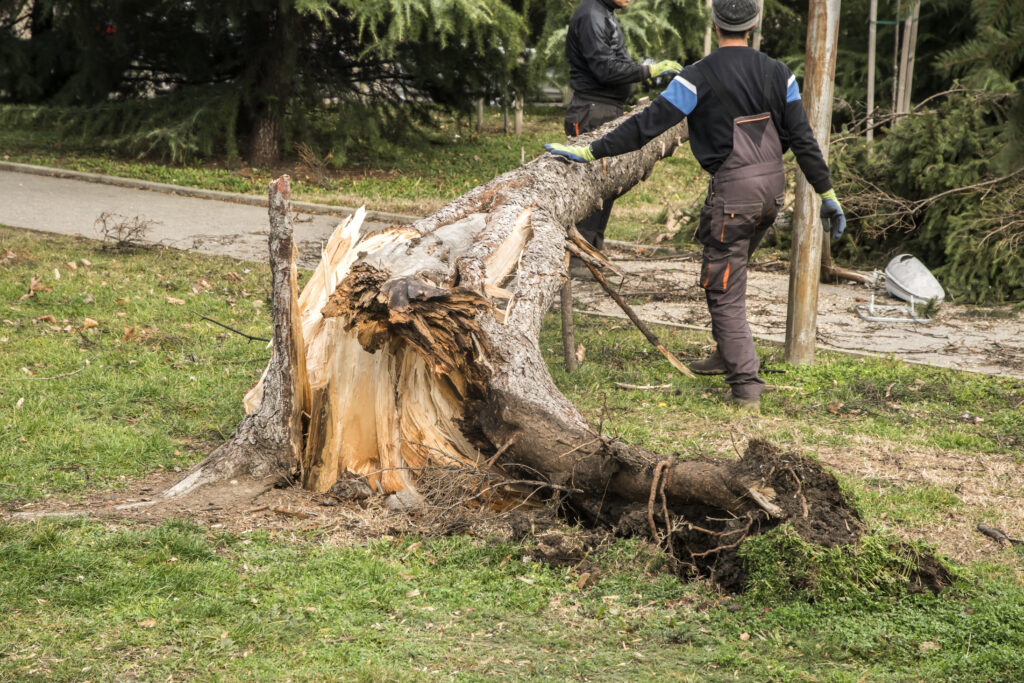
Not every tree with a defect needs to be removed. In many cases, a qualified arborist can reduce risk and extend a tree’s life through professional pruning, cabling, or bracing. These techniques are commonly used to manage mature trees with structural weaknesses, storm damage, or heavy limbs while preserving the environmental, aesthetic, and financial value they provide. Before recommending Tree Removal Melbourne, an experienced arborist will assess whether the risk can be reduced through other management options. This guide explains when pruning, cabling, or bracing is appropriate, how each method works, and when complete tree removal is still the safest solution.
Quick Summary
Tree removal is usually considered the last option.
Many trees can be safely retained through:
- Structural pruning
- Crown reduction
- Crown thinning
- Deadwood removal
- Dynamic cabling
- Steel bracing
- Ongoing monitoring
- Soil and root management
The right solution depends on the tree’s health, structural condition, location, species, and the level of risk it presents.
Table of Contents
- Why Tree Removal Isn’t Always Necessary
- What Is Structural Pruning?
- What Is Tree Cabling?
- What Is Tree Bracing?
- When Pruning Is the Best Option
- When Cabling or Bracing Is Recommended
- Trees That Can Often Be Retained
- When Tree Removal Is Still the Safest Choice
- How Arborists Make Their Recommendation
- Australian Standards and Best Practice
- Common Mistakes Homeowners Make
- Frequently Asked Questions
- Final Thoughts
Why Tree Removal Isn’t Always Necessary
Many property owners assume that once a tree develops a defect, it needs to come down.
That isn’t always the case.
Healthy mature trees provide significant benefits, including:
- Shade during Melbourne’s hot summers
- Increased property value
- Habitat for native wildlife
- Improved streetscape appeal
- Better air quality
- Reduced urban heat
- Stormwater interception
Because mature trees take decades to replace, professional arborist services Melbourne aim to retain them whenever it is safe and practical.
What Is Structural Pruning?
Structural pruning involves selectively removing branches to improve the strength, balance, and long-term stability of a tree.
Unlike traditional tree lopping, structural pruning follows recognised arboricultural principles and focuses on preserving tree health.
It may include:
- Removing dead branches
- Reducing weight on heavy limbs
- Eliminating weak branch unions
- Improving branch spacing
- Encouraging better future growth
Professional tree pruning Melbourne services are one of the most effective ways to reduce risk without removing the tree.
What Is Tree Cabling?
Tree cabling involves installing flexible or steel support systems between major branches or stems.
The purpose is to:
- Reduce movement
- Share structural loads
- Support weak branch unions
- Reduce the likelihood of branch failure
Cabling does not “fix” structural defects. Instead, it provides additional support while allowing the tree to continue growing.
It is commonly used on mature trees with significant landscape or heritage value.
What Is Tree Bracing?
Bracing provides additional structural support using rods or braces installed through the tree.
Unlike cabling, which limits movement, bracing strengthens areas where:
- Major stems are splitting
- Weak branch unions exist
- Structural cracks have developed
Bracing is often used alongside cabling to provide a comprehensive support system.
When Pruning Is the Best Option
Professional pruning is often recommended when:
Dead Branches Are the Main Issue
Removing deadwood significantly reduces the risk of falling limbs.
The Canopy Is Too Dense
Crown thinning:
- Improves airflow
- Reduces wind loading
- Lowers branch weight
Branches Are Overhanging Structures
Selective pruning may prevent branches from contacting:
- Roofs
- Garages
- Fences
- Powerlines
without removing the entire tree.
The Tree Is Healthy
If the trunk and root system remain structurally sound, pruning often resolves the problem while preserving the tree.
When Cabling or Bracing Is Recommended
Support systems are generally considered when:
Weak Branch Unions Exist
Included bark can weaken the connection between large stems.
Cabling helps reduce movement that could otherwise cause splitting.
Mature Feature Trees
Large landscape trees often provide decades of value.
Rather than removing them, arborists may recommend additional structural support.
Trees with Multiple Stems
Co-dominant stems sometimes develop weak attachment points.
Cabling helps distribute loads during high winds.
Valuable Trees Near Buildings
Where removal would significantly impact the property, support systems may allow the tree to remain safely in place.
Trees That Can Often Be Retained
Many trees respond well to professional management.
Examples include:
- Mature eucalyptus with isolated defects
- Large gum trees with manageable branch weight
- Feature trees in established gardens
- Trees affected by minor storm damage
- Trees with localised decay
- Trees requiring canopy reduction
Following assessment, a qualified arborist Melbourne may recommend ongoing inspections alongside pruning or cabling.
When Tree Removal Is Still the Safest Choice
While arborists aim to preserve trees where possible, some situations leave no safe alternative.
Complete tree removal Melbourne is often recommended when:
- Root failure is extensive
- The trunk has severe structural decay
- Significant cracking cannot be stabilised
- The tree is dead and deteriorating
- The risk to people or property remains unacceptable
- Storm damage has compromised the tree beyond repair
In these situations, retaining the tree would expose occupants and surrounding property to unnecessary risk.
How Arborists Make Their Recommendation
Every tree is different.
Professional Arborist Services Melbourne consider:
Tree Health
Can the tree recover?
Structural Integrity
Can the defect be managed?
Species Characteristics
Some species tolerate pruning better than others.
Tree Location
Would failure affect:
- Homes
- Schools
- Roads
- Public spaces
Remaining Life Expectancy
Is the tree likely to provide many more years of safe service?
Client Objectives
Future landscaping, construction plans, and property use also influence recommendations.
No two assessments are exactly the same.
Australian Standards and Best Practice
Professional arborists follow recognised Australian Standards where relevant.
AS 4373 – Pruning of Amenity Trees
Provides guidance for:
- Structural pruning
- Crown thinning
- Crown reduction
- Tree preservation
Following this standard helps minimise stress and supports healthy wound closure.
AS 4970 – Protection of Trees on Development Sites
Where construction is planned near retained trees, this standard helps protect:
- Root systems
- Tree Protection Zones
- Soil health
- Long-term tree stability
Using recognised standards ensures consistent, evidence-based decision making.
Why Retaining a Tree Can Add More Value Than Removing It
A mature tree is often one of the most valuable landscape features on a property.
Retaining a healthy tree can provide:
- Lower summer temperatures around the home
- Reduced energy costs through natural shade
- Greater privacy
- Increased property appeal
- Habitat for birds and native wildlife
- A stronger contribution to Melbourne’s urban forest
Where the risk can be managed, preserving an established tree is often a better long-term investment than removing it and waiting decades for a replacement to mature.
Common Mistakes Homeowners Make
Many unnecessary tree removals happen because professional advice wasn’t sought early.
Common mistakes include:
- Assuming every leaning tree needs removal.
- Removing mature trees instead of exploring pruning options.
- Ignoring early structural defects.
- Choosing aggressive tree lopping instead of proper pruning.
- Failing to monitor trees after cabling has been installed.
- Hiring contractors who recommend removal without a thorough assessment.
An experienced arborist will always consider retention options before recommending removal.
Frequently Asked Questions
1. Is pruning better than tree removal?
If the tree is healthy and the risk can be managed, pruning is often the preferred option because it preserves the tree while reducing hazards.
2. How long do tree cabling systems last?
This depends on the type of system used and the tree’s growth. Regular inspections are recommended to ensure the support system remains effective.
3. Does cabling make a dangerous tree completely safe?
No. Cabling reduces movement and lowers risk, but it does not eliminate defects. Ongoing inspections remain essential.
4. Can a split tree be saved?
Sometimes. Minor structural splits may be stabilised using cabling, bracing, pruning, or a combination of techniques. Severe damage may require removal.
5. Will pruning stop branches from falling?
Professional structural pruning significantly reduces the likelihood of branch failure, particularly when dead or overloaded limbs are removed.
6. Are support systems visible?
Modern dynamic cabling systems are generally discreet and designed to have minimal visual impact while providing structural support.
7. Is tree removal always the cheapest option?
Not necessarily. Although support systems involve ongoing maintenance, preserving a mature tree may provide greater long-term value than removing and replacing it.
8. Can all trees be cabled or braced?
No. The suitability of cabling or bracing depends on the tree species, condition, structural defect, and overall health. A professional assessment is required.
9. How often should a tree with cabling be inspected?
Supported trees should be inspected periodically by a qualified arborist to ensure the system remains effective and to monitor the tree’s condition as it grows.
10. Who decides whether a tree should be removed or retained?
A qualified arborist Melbourne assesses the tree’s health, structure, site conditions, and level of risk before recommending the most appropriate management option.
Final Thoughts
Removing a mature tree is not always the best solution. In many cases, professional pruning, cabling, or bracing can reduce risk while preserving a valuable landscape asset. The key is understanding the difference between a tree that is structurally manageable and one that has reached the point where removal is unavoidable. That judgement comes from experience, technical knowledge, and a thorough assessment of the tree and its surroundings.
At Banyan Tree Care, we believe every tree deserves a professional evaluation before major decisions are made. Our team provides expert arborist services Melbourne, Tree Risk Assessments, tree pruning Melbourne, structural support recommendations, Arborist Reports, and safe tree removal Melbourne when it is genuinely the most appropriate option. We focus on practical, evidence-based solutions that protect both your property and Melbourne’s urban tree canopy. If you’re unsure whether a tree should be removed or could be safely retained, contact Banyan Tree Care on 0432 277 627 We’ll assess your tree, explain your options clearly, and recommend the solution that best balances safety, tree health, and long-term value.