
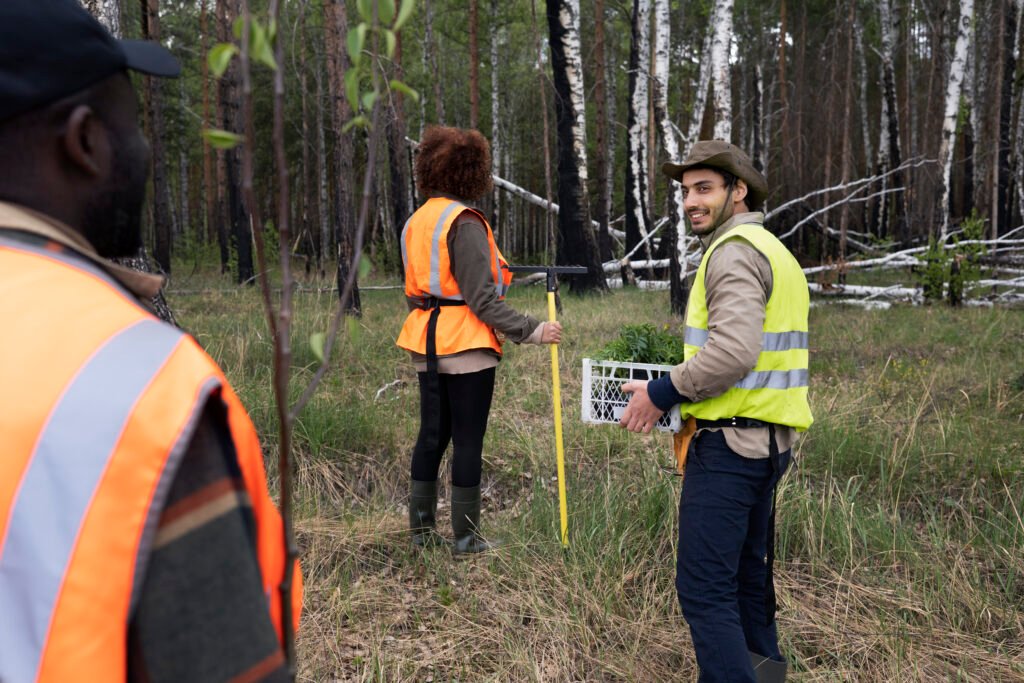
Yes, if you are buying a house in Melbourne with large trees, getting an arborist inspection is a smart decision. A qualified arborist can assess tree health, structural safety, root damage, pruning needs, council permit risks and future building constraints before you commit to the property.
A building inspection checks the house. An Arborist Inspection checks the trees that may affect the house, the land, future renovations and your safety.
Quick Summary
| Question | Answer |
| Should buyers inspect large trees before purchase? | Yes, especially if trees are close to buildings, fences, driveways, powerlines or planned building areas. |
| Can trees affect property value? | Yes. Healthy trees can add value, while dangerous or protected trees can create major costs. |
| Can I remove a large tree after buying? | Not always. Some trees may need council approval before pruning or removal. |
| Who should inspect the trees? | A qualified arborist, consulting arborist or tree risk assessor. |
| Is it worth the cost? | Usually yes. It can help identify safety risks, maintenance costs and development limits before settlement. |
Table of Contents
- Why an arborist inspection matters before buying
- What an arborist looks for
- Tree safety and hidden defects
- Council permits and protected trees
- Tree roots, foundations and underground services
- Tree Protection Zones and future renovations
- Common mistakes buyers make
- FAQs
- Summary and next step
Why an Arborist Inspection Matters Before Buying
Large trees are living structures. They change over time, respond to weather, develop defects and interact with buildings, soil and drainage.
During a normal property inspection, a tree may look healthy from the ground. But a trained arborist may notice signs of decline, decay or poor structure that most buyers miss.
An arborist inspection can help you understand:
- Whether a tree is healthy or declining
- If pruning or tree removal may be required
- Whether roots are affecting structures
- If the tree may be protected by council controls
- Whether future building plans may be limited
- What maintenance costs you may inherit
This is especially useful in Melbourne suburbs with mature eucalyptus, gum trees, large palms, boundary trees and established gardens.
What Does an Arborist Look For?
A qualified arborist does more than glance at the canopy. They inspect the whole tree and its surrounding environment.
A pre-purchase tree inspection may include:
- Tree species identification
- Tree height and canopy spread
- Trunk condition
- Branch structure
- Deadwood and broken limbs
- Fungal growth
- Pest activity, including termites or borers
- Previous poor pruning or tree lopping
- Root zone condition
- Soil movement or compaction
- Proximity to homes, garages, sheds, pools and powerlines
The arborist may provide verbal advice or recommend a written arborist report if there are major risks, council concerns or development plans.
Tree Safety and Hidden Defects
A large tree is not dangerous simply because it is big. Many mature trees are safe, valuable and worth preserving. The concern is when size is combined with defects.
Warning signs include:
- Large dead branches
- Cracks in the trunk
- Hollow sections
- Fungi near the base
- Sudden leaning
- Soil lifting around roots
- Weak branch unions
- Storm damage
- Excessive canopy dieback
Melbourne weather can increase risk. Strong winds, heavy rain and saturated soil can expose weaknesses in trees that already have structural problems.
A qualified arborist can advise whether the tree needs structural pruning, crown reduction, deadwood removal, monitoring, or removal.
Council Permits and Protected Trees
One of the biggest mistakes buyers make is assuming they can remove a tree after settlement.
In Melbourne, tree controls vary by council and property location. Some trees may be affected by planning overlays, heritage controls, vegetation protection rules or local laws. Victoria’s planning provisions state that a Vegetation Protection Overlay can require a permit to remove, destroy or lop vegetation specified in the schedule.
This means you should never rely on guesswork.
Before buying, check:
- Which council area the property sits in
- Whether a Vegetation Protection Overlay applies
- Whether the tree is listed as significant or protected
- Whether pruning or removal may need council approval
- Whether an arborist report may be required
A professional arborist can guide you through the likely process, but final approval sits with the relevant council or planning authority.
Tree Roots, Foundations and Underground Services
Tree roots often worry buyers, especially where large trees sit close to homes, driveways or retaining walls.
Roots can contribute to problems such as:
- Lifted paving
- Cracked driveways
- Damaged garden walls
- Blocked or damaged drains
- Soil moisture changes
- Pressure near foundations
However, trees are not always the cause of cracking or movement. Soil type, drainage, construction quality and existing pipe damage also matter.
An arborist assesses the tree species, root zone, visible damage, soil conditions and distance from structures. In some cases, root management, drainage improvement or selective pruning may help. In other cases, further investigation from engineers or plumbers may be needed.
Tree Protection Zones and Future Renovations
If you are buying the property to renovate, extend, subdivide, build a pool or construct a new dwelling, tree location becomes even more important.
A Tree Protection Zone, often called a TPZ, protects the roots and canopy during construction. Hobsons Bay Council explains that AS 4970:2025 has been developed to guide construction works around trees and describes a TPZ as a zone above and below ground set aside to protect roots and crown from development damage.
A large tree may affect:
- House extensions
- Driveway changes
- Garage placement
- Pool installation
- Service trenching
- Demolition access
- Subdivision plans
- Retaining walls
If future development is part of your buying decision, get arborist advice before you sign unconditionally. A tree that seems harmless now may limit what you can build later.
Common Mistakes Buyers Make
Assuming the building inspector checks trees properly
Most building inspectors are not arborists. They may mention visible tree concerns, but they usually do not perform a detailed tree risk assessment.
Believing every unwanted tree can be removed
Council approval may be required. Some protected trees cannot be removed just because the new owner dislikes them.
Ignoring trees near future building areas
Trees can affect extensions, pools, garages and subdivisions through Tree Protection Zones and root protection requirements.
Choosing a tree cutter instead of an arborist
Tree cutters may focus on removal. A qualified arborist assesses health, risk, preservation options, regulations and long-term management.
Waiting until after settlement
After settlement, the problem becomes yours. Pre-purchase advice gives you options before committing.
Frequently Asked Questions
1. Is an arborist inspection worth it before buying a house?
Yes, especially if the property has large trees, gum trees, palms, trees close to buildings, or trees near future renovation areas. An arborist inspection can uncover risks that may not appear in a standard building inspection. These include decay, poor structure, root issues, storm damage, pest activity and potential council restrictions. The inspection can also help you estimate future tree pruning, stump grinding or removal costs before settlement.
2. Can I remove a large tree after buying the property?
Sometimes, but not always. Tree removal in Melbourne depends on the council, tree size, species, overlays and property conditions. Some trees may require a council tree permit or arborist report before pruning or removal is allowed. If you are buying a property because you plan to clear trees for renovations or development, get advice before signing. Never assume a large tree can be removed simply because it is on private land.
3. What is included in a pre-purchase arborist inspection?
A pre-purchase arborist inspection usually assesses tree species, health, structure, defects, roots, pests, fungi, pruning history and safety risks. The arborist may also comment on likely maintenance needs, council considerations and development constraints. For higher-risk trees or development sites, a written arborist report may be recommended. This can be useful for builders, architects, councils, real estate agents and buyers making final decisions.
4. Can tree roots damage foundations?
Tree roots can contribute to damage, but they are not always the only cause. Soil movement, drainage problems, poor construction and leaking pipes can also create foundation issues. An arborist can inspect visible root activity, tree species, soil conditions and distance from structures. If serious structural damage is present, you may also need advice from an engineer or plumber. Good advice separates genuine tree-related risk from assumptions.
5. Should I worry about large gum trees on a property?
Large gum trees should be respected, not automatically feared. Many are healthy, valuable and important for shade, biodiversity and Melbourne’s urban forest. However, some gum trees can develop deadwood, weak branch unions, decay or storm damage. An arborist can assess whether the tree is safe, needs pruning, requires monitoring or presents a removal concern. The decision should be based on evidence, not fear or guesswork.
6. Can an arborist inspection help with negotiation?
Yes. If the inspection identifies likely costs such as tree pruning, hazardous tree removal, stump grinding, palm removal or council report requirements, you may be able to factor that into your offer. It also helps you avoid overreacting to trees that are healthy and manageable. Clear arborist advice gives you practical information, which can support better decision-making during the purchase process.
Summary
If you are buying a house in Melbourne with large trees, an arborist inspection is a sensible due diligence step. It helps you understand safety risks, tree health, root issues, council approval requirements, future maintenance costs and potential development restrictions.
Large trees can be a major asset when they are healthy and well managed. They can also become expensive when they are dangerous, protected, poorly located or affected by disease.
The best time to find out is before you buy.
Need a Pre-Purchase Arborist Inspection in Melbourne?
Banyan Tree Care provides professional arborist inspections, tree risk assessments, tree pruning, tree removal, stump grinding and arborist reports across Melbourne. If you are buying a property with large trees, call Banyan Tree Care on 0432 277 627 for clear, practical advice before you commit.