
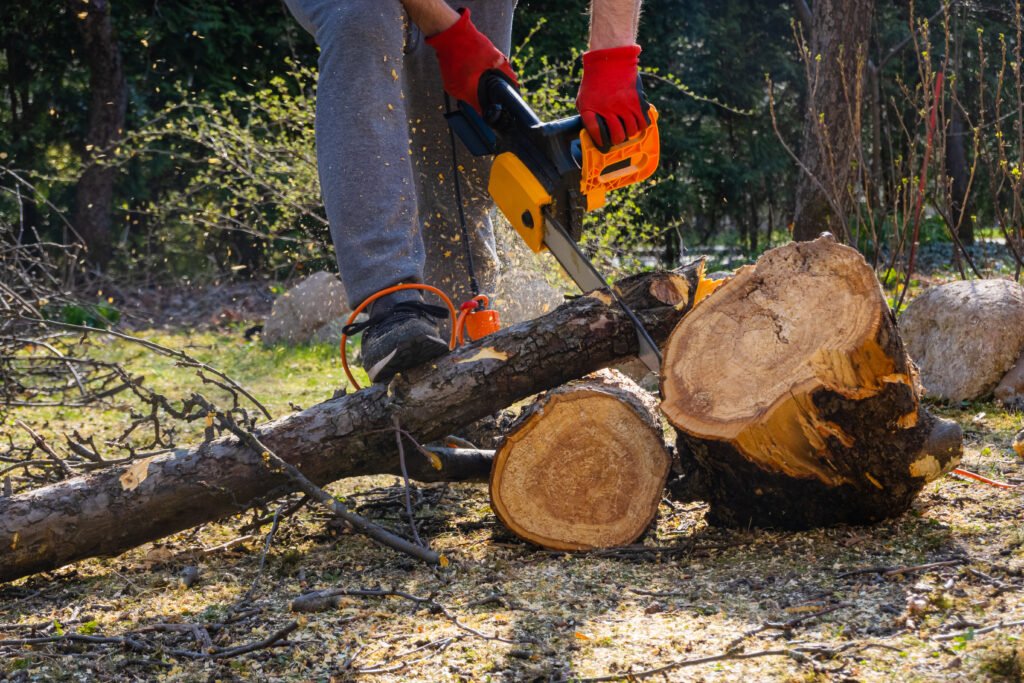
Tree Stump Grinding is the process of using a specialised stump grinder to cut a remaining tree stump down below ground level. After a tree is removed, the stump and major surface roots can be left behind. Stump grinding removes the visible stump so the area can be levelled, replanted, paved, turfed or made safer.
For Melbourne homeowners, stump grinding is often the most practical way to deal with an unwanted stump after tree removal. It is faster and less disruptive than digging the whole stump and root system out. A local stump grinding company can assess access, stump size, root spread and nearby surfaces before recommending the right depth and method.
Quick Summary
Tree stump grinding can help remove:
- Old tree stumps
- Trip hazards
- Surface root problems
- Unwanted regrowth
- Stumps blocking landscaping
- Stumps near fences or driveways
- Pest-attracting dead timber
- Obstacles for turf, paving or garden beds
Professional stump grinding Melbourne services are useful after tree removal, garden cleanups, fence replacement, driveway work and landscape upgrades.
Table of Contents
- How Stump Grinding Works
- Stump Grinding vs Stump Removal
- Why Leaving a Stump Can Be a Problem
- How Deep Should a Stump Be Ground?
- Can All Stumps Be Ground?
- What Happens to the Roots?
- Common Mistakes to Avoid
- FAQs
- Summary
- Call Banyan Tree Care
1. How Stump Grinding Works
A stump grinder uses a rotating cutting wheel with strong teeth to chip away the stump in layers. The machine grinds the timber into small wood chips until the stump is reduced below the surface.
The process usually involves:
- Clearing access to the stump
- Checking nearby fences, pipes, paving and services
- Cutting the stump lower if needed
- Grinding the stump down gradually
- Grinding selected surface roots if required
- Leaving mulch-like stump grindings behind
- Backfilling or levelling the area
The exact process depends on stump size, species, location and access. A small stump in an open yard is usually straightforward. A large stump beside a fence, wall, pool, shed or narrow side access needs more planning.
2. Stump Grinding vs Stump Removal
Stump grinding and stump removal are not the same.
Stump grinding removes the stump by grinding it below ground level. Most deeper roots remain in the soil and gradually break down over time.
Stump Removal usually means digging out the stump and root ball. This can involve excavation, machinery, more soil disturbance and greater impact on the surrounding area.
For most residential jobs, stump grinding is preferred because it is:
- Faster
- Less invasive
- More affordable
- Easier in tight access areas
- Better for lawns and garden beds
- Suitable after most tree removals
Full stump removal Melbourne work may be needed where construction, footing excavation, drainage work or major replanting requires the whole root mass removed.
3. Why Leaving a Stump Can Be a Problem
Some stumps can be left safely if they are out of the way. However, many backyard stumps create ongoing issues.
A leftover stump may:
- Create a trip hazard
- Make mowing difficult
- Attract termites, ants or borers
- Produce regrowth
- Block new landscaping
- Interfere with fencing
- Stop turf from being laid properly
- Make garden beds harder to build
- Look untidy
- Get in the way of paving or decking
Dead timber can slowly decay, but this may take years. During that time, the stump may continue causing access, safety or appearance problems.
If the stump is close to a house, fence, driveway or outdoor area, professional grinding is usually the cleaner option.
4. How Deep Should a Stump Be Ground?
The grinding depth depends on what you want to do with the area afterwards.
Common depths may suit:
- Lawn replacement
- Garden bed preparation
- Mulching
- Replanting small plants
- Paving preparation
- Fence or landscaping access
For general lawn or garden use, grinding below ground level is often enough. If you plan to build, install posts, pour concrete or plant another tree in the same spot, deeper work or full stump removal may be needed.
Tell the stump grinding contractor what your future plan is. The right depth for turf may not be enough for construction or new tree planting.
5. Can All Stumps Be Ground?
Most stumps can be ground, but some are more difficult than others.
The job may be affected by:
- Narrow access
- Steps or steep slopes
- Stumps close to walls
- Stumps against fences
- Rocks or metal in the ground
- Nearby irrigation
- Underground services
- Large surface roots
- Very hard timber
- Stumps in raised garden beds
A local stump grinding company will check access before booking the job. Some machines are compact and suitable for backyards, while larger machines are used for bigger or easier-access stumps.
If a stump is too close to a structure, the operator may grind what is safely accessible and explain any limitations.
6. What Happens to the Roots?
Stump grinding usually removes the main stump and some visible surface roots, but it does not remove every underground root. Most roots remain in the soil and slowly decompose.
This is usually fine for normal garden or lawn use.
Surface roots may be ground if they are:
- Creating trip hazards
- Lifting turf
- Interfering with landscaping
- Blocking fence work
- Too close to paving
- Visibly connected to the stump
Root grinding should still be done carefully. Roots from nearby living trees should not be cut or ground without arborist advice, as this may affect tree health or stability.
7. Common Mistakes to Avoid
Stump grinding seems simple, but mistakes can create problems.
Avoid:
- Assuming stump grinding includes all roots
- Forgetting to mention irrigation or pipes
- Grinding near services without checks
- Leaving the stump too high for turf
- Replanting immediately in poor soil
- Cutting nearby living tree roots
- Hiring without checking access
- Expecting the area to be soil-free afterwards
- Ignoring regrowth from certain species
- Leaving the stump until it attracts pests
Good communication before the job helps. Explain whether you want lawn, paving, garden beds or replanting in the area.
FAQs
1. What is tree stump grinding?
Tree stump grinding is the process of using a machine to grind a tree stump below ground level. The stump is chipped into small wood pieces, allowing the area to be levelled and covered with soil or turf. It is commonly done after tree removal to eliminate hazards and improve the look and usability of the space.
2. Is stump grinding the same as stump removal?
No. Stump grinding removes the visible stump below ground, leaving most roots to decay naturally. Stump removal involves digging out the entire stump and root system, causing more disruption. Grinding is usually sufficient for gardens and landscaping, while full removal is needed for construction or replanting in the exact same spot.
3. How long does stump grinding take?
Time varies based on stump size, wood type, access, and nearby obstacles. Small, open stumps are quick to grind, while large or hard-to-reach stumps take longer. Roots or nearby structures can also slow the process. A contractor will usually inspect the site before providing an accurate time estimate.
4. Will the tree grow back after stump grinding?
Often, grinding prevents regrowth by removing the main stump below ground. However, some tree species can still sprout from remaining roots. This depends on the type of tree. If regrowth is a concern, the contractor can advise on deeper grinding or follow-up treatment to reduce the chance of shoots returning.
5. Can I plant a new tree where the stump was ground?
You can plant nearby, but not directly into fresh grindings. The area contains decomposing wood and may lack nutrients. For best results, remove excess chips and add quality soil. If planting in the exact same spot, deeper stump removal or full soil replacement may be required for healthy growth.
6. Do I need a local stump grinding company?
Yes, a local company understands Melbourne access issues, property layouts, and common tree types. They can assess site access, choose the right equipment, and recommend grinding or removal options. Local expertise ensures safer, more efficient work and better advice for your specific yard and landscaping needs.
Summary
Tree stump grinding is a practical way to remove an unwanted stump after tree removal. It grinds the stump below ground level, making the area safer, cleaner and easier to use. It is commonly used for lawns, garden beds, paving preparation, fence work and general backyard cleanup.
Stump grinding is different from full stump removal because most underground roots remain and break down naturally. The best option depends on the stump size, location, access and what you want to do with the area afterwards.
Call Banyan Tree Care for Stump Grinding in Melbourne
If you have an old stump in your yard, Banyan Tree Care can inspect it and recommend the best way to remove or grind it safely.
We provide Stump Grinding Melbourne, stump removal Melbourne, root grinding, tree removal, tree pruning, site cleanup and arborist advice for residential and commercial properties. Call Banyan Tree Care on 0432 277 627 to arrange a professional stump grinding quote.