
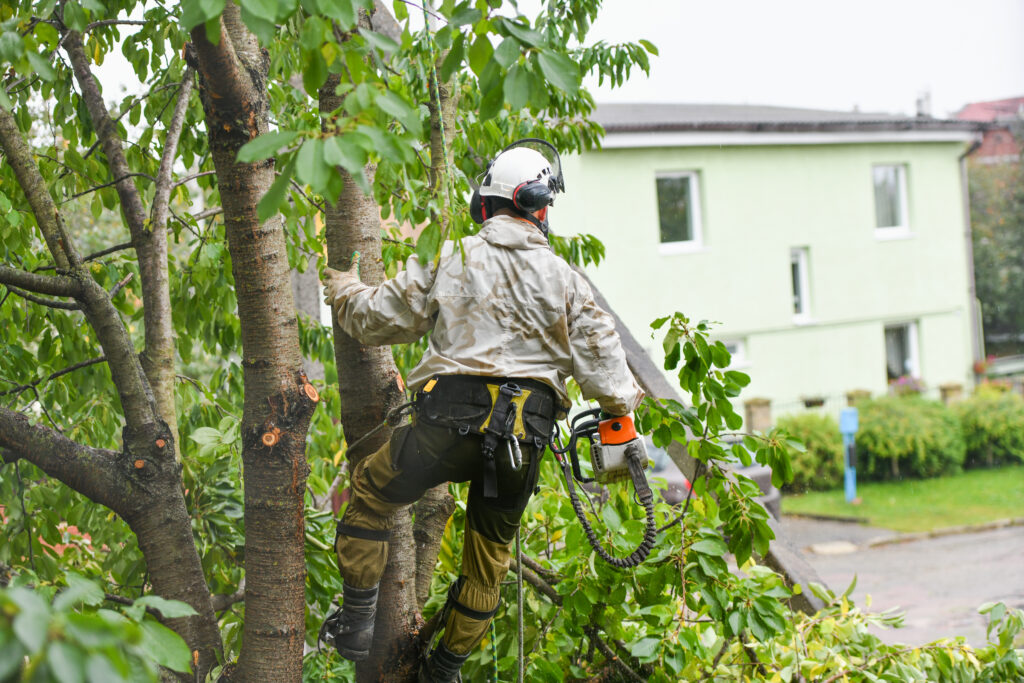
Tree roots can contribute to foundation problems in some situations, but they are often blamed too quickly. Most tree roots do not physically break strong concrete foundations. More commonly, problems happen when roots interact with reactive clay soil, damaged drains, poor drainage, shallow footings or already weakened structures. In Melbourne, where many homes sit on clay soils and mature trees grow close to buildings, it is important to have the situation assessed properly before assuming the tree is the only cause. A qualified arborist can inspect the tree, root zone and site conditions, then recommend whether root management, pruning, monitoring, plumbing repairs, engineering advice or tree removal Melbourne may be required.
Quick Summary
Tree roots may affect house foundations when:
- Roots grow close to shallow footings
- Reactive clay soil shrinks as moisture is removed
- Drainage is poor or inconsistent
- Roots enter already damaged pipes
- Large trees are planted too close to buildings
- Soil movement causes cracking or settlement
- Existing foundation problems are already present
Tree roots do not always damage foundations directly. In many cases, the real issue is the relationship between roots, soil moisture, drainage and building design.
Table of Contents
- Can Tree Roots Really Damage Foundations?
- How Tree Roots Grow Near Houses
- Direct Damage vs Indirect Damage
- Why Soil Type Matters
- Tree Roots and Reactive Clay Soil
- Tree Roots and House Cracks
- Tree Roots and Drainage Pipes
- Warning Signs Homeowners Should Watch For
- Which Trees Are More Likely to Cause Problems?
- How Arborists Assess Root Related Foundation Concerns
- When Root Pruning May Help
- When Tree Removal May Be Needed
- Why You Should Not Cut Roots Without Advice
- How to Prevent Tree Root Problems Near Homes
- What to Do Before Buying a Property With Large Trees
- Common Mistakes Homeowners Make
- Real World Examples
- FAQs
- Summary
- Call Banyan Tree Care
1. Can Tree Roots Really Damage Foundations?
Yes, tree roots can contribute to foundation damage in some cases.
However, roots are rarely the only factor.
Foundation issues often involve a combination of:
- Tree species
- Tree size
- Distance from the home
- Soil type
- Moisture changes
- Footing design
- Drainage conditions
- Existing cracks
- Pipe leaks
- Past construction quality
A mature tree near a house does not automatically mean foundation damage will occur.
A small tree in the wrong location, poor soil, leaking drains or shallow footings may create more risk than a large healthy tree growing in a suitable position.
This is why professional assessment matters.
2. How Tree Roots Grow Near Houses
Tree roots grow where they can find oxygen, moisture and nutrients.
Most absorbing roots are found in the upper layers of soil, although root depth and spread vary between species and site conditions.
Roots may grow towards:
- Moist soil
- Leaking pipes
- Irrigated garden beds
- Stormwater drains
- Cracked sewer lines
- Foundation edges
- Lawn areas
- Mulched garden beds
Roots do not usually “search for concrete” or deliberately attack buildings.
They follow favourable soil conditions.
If moisture is available near a house, roots may grow in that direction.
3. Direct Damage vs Indirect Damage
There are two main ways tree roots may affect foundations.
Direct damage
Direct damage happens when roots physically press against, lift or displace structures.
This is more common with:
- Paving
- Footpaths
- Driveways
- Retaining walls
- Lightweight garden edging
- Old brickwork
- Shallow structures
Direct root damage to strong modern foundations is less common, but it may occur where roots grow against weak, shallow or already cracked structures.
Indirect damage
Indirect damage is more common.
This occurs when roots remove moisture from soil, especially reactive clay soil. As the soil dries, it can shrink and move. That movement may affect footings and cause cracks.
The issue is not always the root pushing against the foundation. It may be soil movement caused by moisture changes.
4. Why Soil Type Matters
Soil type plays a major role in foundation movement.
Sandy soils usually behave differently from clay soils.
Clay soils can expand when wet and shrink when dry. This movement can affect homes, paths, driveways and retaining walls.
Many Melbourne suburbs have reactive clay soils, which means moisture changes can be important.
Trees can influence soil moisture by taking up water through their roots.
During dry periods, a large tree near a house may contribute to uneven soil drying. If one side of the house dries more than another, foundation movement may occur.
An arborist can assess tree factors, but a structural engineer may also be needed where building damage is present.
5. Tree Roots and Reactive Clay Soil
Reactive clay is one of the most important factors in tree related foundation concerns.
When clay soil dries, it shrinks.
When it becomes wet again, it swells.
This repeated movement can place stress on buildings.
Tree roots can influence this process by removing moisture from the soil, especially during dry periods.
The risk may increase when:
- A large tree is close to the house
- Soil is highly reactive
- Footings are shallow
- Drainage is poor
- There is little moisture balance around the building
- The tree has a high water demand
- The property has existing cracking
A qualified arborist Melbourne can identify whether the tree is likely to be contributing to the issue, but they may recommend input from an engineer for foundation movement.
6. Tree Roots and House Cracks
House cracks do not automatically mean tree roots are responsible.
Cracks may be caused by:
- Normal settlement
- Reactive soil movement
- Poor drainage
- Plumbing leaks
- Poor footing design
- Building age
- Renovation movement
- Nearby excavation
- Seasonal moisture changes
- Tree related soil drying
Tree roots are one possible factor, not the only explanation.
Before recommending tree removal Melbourne, a responsible arborist will look for evidence such as:
- Tree size and distance from the house
- Soil type
- Direction of cracking
- Root zone location
- Moisture patterns
- Nearby drains
- Signs of root activity
- Tree health and water demand
- Other site issues
This evidence helps avoid unnecessary removal of healthy mature trees.
7. Tree Roots and Drainage Pipes
Tree roots are often blamed for broken drains.
In many cases, roots enter pipes that are already cracked, leaking or poorly joined.
Roots are attracted to moisture and nutrients inside damaged pipes.
Common pipe issues include:
- Cracked old clay pipes
- Poor pipe joints
- Leaking sewer lines
- Damaged stormwater pipes
- Collapsed sections
- Gaps caused by ground movement
Once roots enter a pipe, they can grow inside it and cause blockages.
Tree removal may stop future root growth from that tree, but it does not repair the damaged pipe.
A plumber should inspect and repair affected drains.
An arborist can assess whether nearby trees are likely contributors and whether root management or tree removal is needed.
8. Warning Signs Homeowners Should Watch For
Homeowners should seek advice if they notice:
- Cracks in walls or brickwork
- Doors or windows sticking
- Uneven floors
- Gaps around frames
- Cracked paving near trees
- Lifted driveways or paths
- Large roots visible near the house
- Repeated blocked drains
- Soil pulling away from foundations
- Sudden lean in a nearby tree
- Fungal growth near the base of a tree
- Major trees close to shallow footings
These signs do not confirm tree root damage, but they justify professional assessment.
Early advice is usually cheaper than waiting until damage becomes severe.
9. Which Trees Are More Likely to Cause Problems?
Any tree can create issues if planted too close to a building or growing in unsuitable soil conditions.
Risk depends on:
- Species
- Mature size
- Water demand
- Root spread
- Soil type
- Distance from the structure
- Drainage conditions
- Foundation design
Larger trees generally have larger root systems.
Fast-growing species and trees with high water demand may create more concern near reactive clay soils.
Common Melbourne trees that may need careful placement and monitoring include:
- Gum trees
- Eucalyptus species
- Willows
- Poplars
- Ficus
- Plane trees
- Elms
- Large ornamental trees
- Some palms near structures
This does not mean these trees are bad. It means they need the right location, space and maintenance.
A qualified arborist can recommend suitable species for smaller residential blocks.
10. How Arborists Assess Root Related Foundation Concerns
A professional arborist assessment may include:
- Tree species identification
- Tree size and age class
- Distance from the house
- Canopy spread
- Root flare inspection
- Visible surface root assessment
- Soil condition review
- Drainage observations
- Signs of root damage to paving
- Tree health assessment
- Structural condition assessment
- Review of nearby pipes, walls and driveways
- Discussion of site history
Where needed, the arborist may recommend:
- Arborist Report
- Root investigation
- Tree Risk Assessment
- Root pruning advice
- Tree pruning Melbourne
- Root barrier consideration
- Engineer assessment
- Plumbing inspection
- Soil testing
The best outcome often comes from arborists, engineers and plumbers working together.
11. When Root Pruning May Help
Root pruning involves cutting selected roots to reduce conflict with structures or services.
It may be considered when:
- Roots are lifting paving
- Roots are affecting minor structures
- Roots are interfering with landscaping
- A root barrier is being installed
- Construction is planned near a tree
- Specific roots are causing localised problems
Root pruning must be done carefully.
Cutting major roots can affect tree health and stability.
The closer the cut is to the trunk, the higher the risk.
For mature trees, root pruning should only be carried out after arborist assessment.
In some cases, pruning branches may also be recommended to balance reduced root capacity, but this decision depends on species, condition and the amount of root loss.
12. When Tree Removal May Be Needed
Tree removal may be recommended when the risk or damage cannot be managed safely.
This may apply where:
- A tree is too close to a house
- Major roots are affecting foundations or structures
- The tree is structurally unsafe
- Root pruning would make the tree unstable
- Drainage or foundation repairs require root removal
- The tree has low retention value
- The tree is causing repeated severe damage
- The tree is in decline and cannot be retained safely
Professional tree removal Melbourne should be based on evidence.
Removing a tree without understanding the cause of damage may not solve the problem.
For example, if poor drainage or reactive soil is the main issue, cracks may continue even after the tree is gone.
13. Why You Should Not Cut Roots Without Advice
Cutting roots without professional advice can be dangerous.
Roots support:
- Stability
- Water uptake
- Nutrient uptake
- Soil anchorage
- Overall tree health
Removing the wrong roots can cause:
- Tree decline
- Sudden instability
- Increased storm failure risk
- Canopy dieback
- Pest and disease entry
- Structural imbalance
Large roots near the trunk are especially important.
If a homeowner cuts major roots on one side of a mature tree, the tree may become unstable and dangerous.
Before cutting roots near foundations, paths, driveways or pipes, speak with a qualified arborist.
14. How to Prevent Tree Root Problems Near Homes
The best prevention starts with planning.
To reduce future root related foundation concerns:
- Choose the right tree species for the site
- Allow enough space for mature growth
- Avoid planting large trees too close to houses
- Maintain consistent soil moisture where appropriate
- Repair leaking pipes quickly
- Improve drainage around buildings
- Avoid damaging roots during landscaping
- Use professional advice before installing driveways or retaining walls
- Arrange regular inspections for mature trees near homes
- Avoid aggressive tree lopping
If you are planting a new tree, ask an arborist about mature height, root behaviour, water demand and suitable distance from buildings.
Good species selection can prevent decades of problems.
15. What to Do Before Buying a Property With Large Trees
If you are buying a property with mature trees close to the house, arrange an inspection before settlement where possible.
A qualified arborist can assess:
- Tree health
- Structural condition
- Root zone concerns
- Proximity to foundations
- Risk to buildings
- Likely future maintenance
- Council protection status
- Potential removal or pruning constraints
This information can help you understand future costs and responsibilities.
For older homes, it may also be wise to arrange a building inspection, plumbing inspection and engineering advice if cracking or drainage problems are visible.
Large trees can be valuable assets, but they should be assessed properly.
16. Common Mistakes Homeowners Make
Common mistakes include:
- Blaming every house crack on tree roots
- Removing a tree without checking soil or drainage
- Cutting roots without arborist advice
- Ignoring blocked drains
- Planting large trees too close to homes
- Assuming small trees cannot cause issues
- Delaying assessment until damage worsens
- Using tree lopping to reduce root problems
- Ignoring council permit requirements
- Removing trees without considering soil movement after removal
A careful diagnosis avoids unnecessary cost and protects valuable trees where possible.
17. Real World Examples
Example 1: Cracks Near a Mature Gum Tree
A homeowner contacted Banyan Tree Care after noticing cracks in brickwork near a mature gum tree.
The tree was growing close to the house, but the inspection also found poor drainage, clay soil and signs of long-term soil movement. The arborist advised that the tree may be one contributing factor, but the cracking needed further assessment by a structural engineer.
Rather than rushing into tree removal Melbourne, the homeowner arranged building advice, improved drainage and monitored the tree.
This approach avoided making a major decision based on assumption alone.
Example 2: Roots Inside a Damaged Sewer Pipe
A property owner had repeated sewer blockages and believed the nearby tree had broken the pipe.
A plumber inspected the drain and found an old cracked pipe with root intrusion. The roots had entered through existing defects.
Banyan Tree Care assessed the tree and surrounding root zone. The final solution involved pipe repair and selective root management rather than immediate tree removal.
This showed why plumbing evidence matters before blaming the tree.
Example 3: Large Tree Too Close to a Shallow Structure
A mature tree was growing very close to an old garage with shallow footings. Large surface roots had lifted paving and begun affecting the garage floor.
After inspection, the arborist found that meaningful root pruning would likely destabilise the tree. Because of the tree’s location, structure and ongoing damage, removal was recommended.
In this case, tree removal was the safer long-term option.
FAQs
1. Can tree roots crack house foundations?
Tree roots can contribute to foundation cracking in some situations, especially where trees grow close to homes on reactive clay soil. Direct physical cracking from roots is less common than soil movement caused by moisture changes. Roots may dry the soil, clay may shrink, and the foundation may move. A proper assessment is needed before deciding the tree is responsible.
2. Do tree roots grow under houses?
Tree roots can grow near or beneath parts of a house if moisture and oxygen are available. However, roots do not usually grow deep under dry, compacted or sealed areas unless conditions allow it. They are more likely to grow towards leaking pipes, damp soil, garden beds or drainage areas. Root behaviour depends on species and site conditions.
3. Should I remove a tree near my house?
Not automatically. A tree near a house should be assessed based on species, size, health, root behaviour, soil type, foundation design and visible damage. Many trees close to homes can be managed with pruning, monitoring or root management. Removal may be needed if the tree is causing serious damage or presents unacceptable risk.
4. How close is too close for a tree to a house?
There is no single safe distance for every tree. A small ornamental tree may be suitable closer to a house, while a large eucalyptus or fast-growing species may require much more space. Soil type, mature size, root behaviour and foundation design all matter. A qualified arborist can recommend suitable planting distances and assess existing trees.
5. Can cutting roots fix foundation problems?
Cutting roots may help in some cases, but it can also harm or destabilise the tree. Root pruning should only be done after professional assessment. If foundation damage is caused by reactive soil, drainage or structural issues, cutting roots alone may not solve the problem. Arborist and engineering advice may both be needed.
6. Can tree removal make foundation movement worse?
Sometimes, yes. Removing a large tree can change soil moisture patterns. In reactive clay soils, moisture levels may increase after removal, causing soil to swell. This may affect buildings in some cases. That is why significant tree removal near homes should be assessed carefully, especially where foundation movement is already present.
7. Do roots damage concrete slabs?
Roots may lift or disturb lightweight slabs, paths, driveways and paving more easily than strong house foundations. Damage is more likely where roots grow close to the surface and the slab is shallow, thin or already cracked. For house slabs, soil movement often plays a bigger role than direct root pressure.
8. Can tree roots damage sewer pipes?
Roots can enter sewer pipes if the pipes are cracked, leaking or poorly joined. Roots are attracted to moisture and nutrients. Once inside, they can grow and cause blockages. Tree removal may stop future growth from that tree, but damaged pipes still need repair. A plumber should inspect the pipe before decisions are made.
9. Which trees are worst for foundations?
Risk depends on location, soil and building conditions rather than species alone. Large, fast-growing or high water demand trees can create more concerns when planted too close to homes on reactive clay soil. Some eucalyptus, willow, poplar, ficus and large ornamental species may need careful placement. A local arborist can advise on suitable trees for Melbourne properties.
10. Can pruning reduce root damage?
Pruning the canopy does not directly remove root problems. In some cases, reducing canopy size may slightly reduce water demand, but it is not a reliable fix for foundation damage. Heavy pruning can also harm the tree. Root related concerns should be assessed directly through arborist inspection, drainage review, plumbing checks and engineering advice where needed.
11. What signs suggest roots may be affecting my home?
Warning signs may include wall cracks, sticking doors or windows, uneven floors, lifted paving, visible large roots near the house, soil pulling away from footings and repeated drain blockages. These signs do not prove tree root damage, but they indicate the need for professional assessment.
12. Do I need an arborist or engineer for foundation cracks?
You may need both. An arborist assesses the tree, roots, health, structure and site conditions. A structural engineer assesses the building, footings and movement. If drains are involved, a plumber may also be needed. For serious foundation concerns, a combined approach gives the most reliable answer.
13. Can root barriers protect foundations?
Root barriers may help redirect roots in some situations, but they must be designed and installed carefully. Poorly installed barriers can damage roots, affect tree stability or fail to solve the issue. Root barriers are more useful as part of a planned root management strategy than as a quick fix.
14. Is council approval needed to remove a tree damaging foundations?
Council approval may be required if the tree is protected by local laws, overlays, heritage controls or native vegetation rules. Requirements vary across Melbourne. An Arborist Report may support the application by documenting tree condition, root impacts and reasons for removal. Always check before removing a significant tree.
15. Who should assess tree roots near foundations?
A qualified arborist should assess tree root concerns near homes. If building movement is present, a structural engineer should also be involved. Banyan Tree Care can inspect the tree, assess visible root and site conditions, prepare Arborist Reports, advise on root management and recommend whether pruning, monitoring or tree removal Melbourne is appropriate.
Summary
Tree roots can damage or contribute to foundation problems, but the cause is rarely simple. Roots may physically affect shallow structures, enter damaged drains, or influence soil moisture around foundations. In Melbourne, reactive clay soil is often a major factor because it expands and shrinks with moisture changes. A tree may be involved, but drainage, building design, soil type and existing structural conditions must also be considered.
The safest approach is professional assessment before cutting roots or removing the tree. A qualified arborist can inspect the tree and root zone, identify likely risks, and advise whether root pruning, monitoring, plumbing repairs, engineering advice or tree removal is the right option.
Call Banyan Tree Care for Root and Foundation Advice in Melbourne
If you are concerned that tree roots may be affecting your house foundations, paving, drains or retaining walls, Banyan Tree Care can help.
We provide professional Arborist Services Melbourne, root assessments, Arborist Reports, Tree Risk Assessments, tree pruning Melbourne, stump grinding Melbourne, root management advice and safe tree removal Melbourne where removal is genuinely required. Contact Banyan Tree Care on 0432 277 627 to arrange a professional arborist inspection and practical advice for your property.