
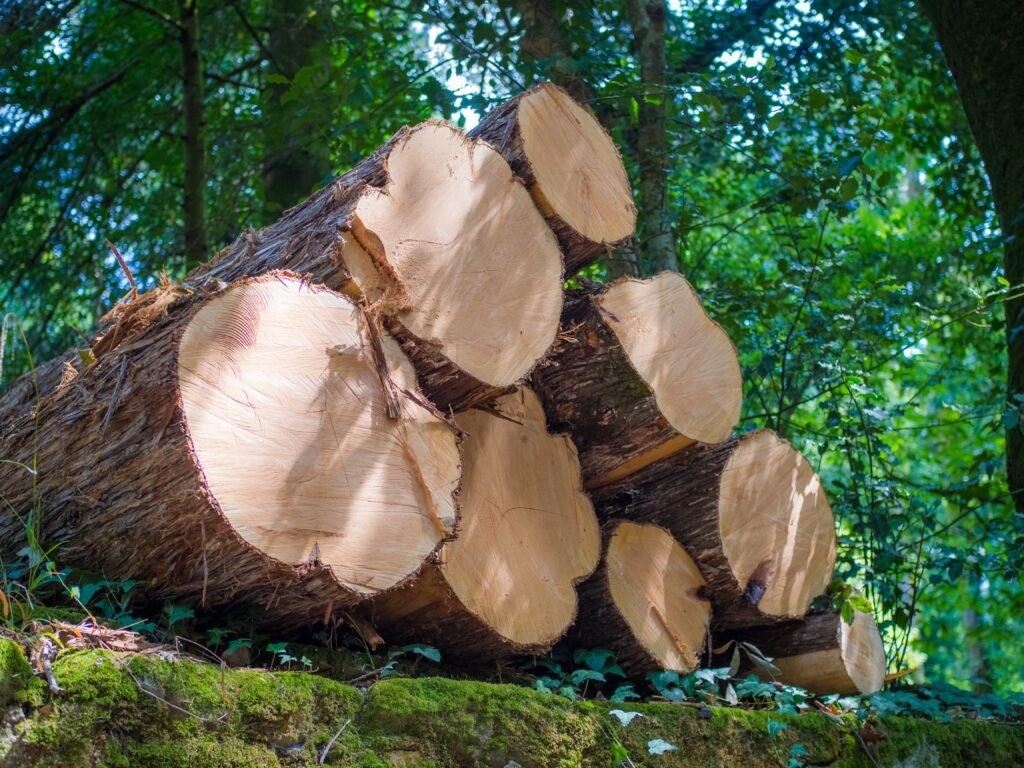
No, a fallen limb does not automatically mean the entire tree is unsafe. The important question is why the branch failed and whether the remaining tree still has acceptable structure. A qualified arborist in Melbourne can inspect the failure point, trunk, canopy, roots and surrounding area before recommending tree pruning, monitoring or Tree Removal in Melbourne.
Quick Summary
A gum tree that drops a large branch does not always need removal.
An arborist will assess:
- The size and location of the fallen limb
- Whether it failed during a storm or calm weather
- Signs of decay, cracks or weak branch unions
- The condition of the remaining canopy
- Root stability and trunk condition
- Risk to people, buildings, cars and neighbouring properties
- Whether pruning can reduce the risk
- Whether full tree removal is the safest option
If the tree is otherwise healthy, pruning may be enough. If the failure shows serious structural weakness, removal may be required.
Table of Contents
- Why Gum Trees Drop Large Branches
- Does One Fallen Limb Mean the Tree Is Unsafe?
- What Arborists Inspect After Branch Failure
- When Pruning May Be Enough
- When the Whole Tree May Need Removal
- What Homeowners Should Do Immediately
- FAQs
- Summary
- Call Banyan Tree Care
1. Why Gum Trees Drop Large Branches
Gum trees and eucalyptus trees can drop large limbs for several reasons. Sometimes the cause is obvious, such as strong wind, heavy rain or storm damage. At other times, a branch can fail during calm weather because of internal decay, weak attachment, excessive end weight or old stress.
Common causes include:
- Storm damage
- Internal branch decay
- Weak branch unions
- Included bark
- Heavy lateral limbs
- Previous poor pruning
- Drought stress
- Old wounds
- Fungal activity
- Natural limb shedding
Some gum trees naturally shed branches, but large limb failure should never be ignored. Even if the tree still looks green and healthy, the failed limb may reveal a hidden structural issue.
2. Does One Fallen Limb Mean the Tree Is Unsafe?
One fallen limb does not always mean the whole tree is dangerous.
A gum tree may still be retained if:
- The limb failed during extreme weather
- The rest of the canopy is sound
- The trunk has no major cracks or cavities
- The root system appears stable
- There is no major decay at the failure point
- The remaining structure can be managed through pruning
The situation becomes more concerning if:
- The limb dropped during calm weather
- The broken section shows decay or hollowing
- Other limbs have similar defects
- The tree has dropped branches before
- The trunk has cracks or fungal growth
- The tree is leaning
- Soil is lifting near the base
- Large limbs remain over high-use areas
This is where professional Tree Arborist Services Melbourne become important. The whole tree needs to be assessed, not just the fallen branch.
3. What Arborists Inspect After Branch Failure
A qualified arborist will inspect the tree carefully before recommending pruning or removal.
They usually check:
The failure point
The arborist looks at where the branch broke. A clean storm break may mean something different from a tear caused by decay or a split branch union.
The wound
Large wounds can expose timber to decay. The arborist checks whether the wound can be managed or whether it has weakened the tree.
The remaining canopy
After a large limb drops, the canopy may become unbalanced. This can change how wind moves through the tree and may increase load on remaining branches.
The trunk and root zone
The arborist checks for cavities, fungal growth, root damage, soil movement, trunk cracks and signs of instability.
Nearby targets
Risk depends on what is beneath or beside the tree. A limb over a quiet garden area is different from a limb over a bedroom, car space, school area, footpath or neighbouring property.
4. When Pruning May Be Enough
Professional pruning may be enough if the tree is otherwise healthy and structurally sound.
Pruning may involve:
- Removing broken or hanging branches
- Removing deadwood
- Reducing weight on heavy limbs
- Cleaning up storm-damaged sections
- Balancing the canopy
- Improving clearance from roofs or driveways
- Reducing risk over high-use areas
The goal is to reduce risk while preserving the tree where it is reasonable to do so.
Proper Tree Pruning Melbourne should follow accepted arboricultural practice. Heavy tree lopping should be avoided because it can create large wounds, weak regrowth and future hazards.
In many cases, targeted pruning gives a better long-term result than unnecessary removal.
5. When the Whole Tree May Need Removal
Sometimes full tree removal is the safest recommendation.
Tree removal Melbourne may be required when:
- The failed limb shows advanced decay
- Other major limbs are likely to fail
- The trunk has large cracks or cavities
- Fungal growth suggests serious internal decay
- The roots are unstable
- The tree is dead or in major decline
- Previous branch failures have occurred
- Pruning cannot reduce the risk enough
- The tree is too close to homes, roads or public areas
- The remaining canopy is structurally unreliable
A responsible arborist will not recommend removal just because one branch has fallen. They will look for evidence that the tree presents an unacceptable risk.
If council approval is required, an Arborist Report may help support the removal application.
6. What Homeowners Should Do Immediately
If a gum tree drops a large branch, safety comes first.
You should:
- Keep people away from the tree
- Avoid standing under remaining limbs
- Move cars only if it is safe
- Take photos from a safe distance
- Check for damage to roofs, fences or wires
- Do not cut hanging limbs yourself
- Contact a qualified arborist
- Arrange emergency tree removal if there is immediate danger
Large gum tree limbs can be extremely heavy. They may also be under tension, twisted or caught in other branches. Cutting them without training can be dangerous.
FAQs
1. Does a gum tree need removal after dropping one large branch?
Not always. A single branch may fail due to storms, weight, or local weakness. The tree can still be safe if the trunk, roots, and remaining canopy are healthy. However, it should be assessed by an arborist, especially if it failed in calm weather or near high-use areas. They will determine whether pruning, monitoring, or full removal is required.
2. Why did my gum tree drop a branch on a calm day?
Calm-weather branch failure often points to hidden issues like internal decay, weak attachments, old wounds, drought stress, or heavy limb weight. It may also be natural shedding. Because it can indicate structural weakness, the tree should be inspected by an arborist to assess the trunk, canopy, and roots before assuming it is safe.
3. Can pruning reduce the risk of more branches falling?
Yes, correct pruning can reduce risk by removing deadwood, damaged limbs, and heavy or unbalanced branches. This helps lower stress on the tree and improves safety around buildings and paths. However, pruning cannot eliminate all risk, especially if there is internal decay or structural instability. In those cases, further action may be needed.
4. Is it dangerous to cut up a fallen gum tree limb myself?
Yes, it can be very dangerous. Large gum limbs are heavy and may be under tension or partially attached, causing sudden movement when cut. Chainsaw work in these conditions is risky without training and equipment. Small loose branches may be safe to handle, but larger limbs should be removed by professional tree cutters.
5. Should I get an Arborist Report after a branch falls?
An Arborist Report is recommended if the tree is protected, poses ongoing risk, or if council approval or insurance claims are involved. It documents the tree’s condition, cause of failure, and safety recommendations. For minor cases, a simple inspection and quote may be enough. An arborist can advise if a formal report is necessary.
6. Do I need council approval to remove a gum tree after limb failure?
Often yes, depending on local council rules. A fallen branch does not automatically allow removal, especially if the tree is protected by overlays, heritage laws, or native vegetation controls. Immediate danger may be an exception. Always document the damage and consult an arborist, who can help determine if approval or a report is required.
Summary
A gum tree that drops a large branch does not automatically need to be removed. The right decision depends on why the limb failed, the condition of the remaining tree, and the level of risk to people and property. Some trees can be retained with professional pruning and monitoring. Others may require removal if decay, instability, repeated branch failure or major structural defects are present.
If your gum tree has dropped a large limb, keep the area clear and arrange a qualified arborist inspection. A professional assessment will help you make a safe, informed decision.
Call Banyan Tree Care for Gum Tree Assessment in Melbourne
If your gum tree has dropped a large branch, Banyan Tree Care can inspect the tree and advise whether it can be safely retained or should be removed.
We provide professional arborist services Melbourne, Tree Risk Assessments, Arborist Reports, tree pruning, storm damage inspections, emergency tree removal Melbourne, stump grinding Melbourne and safe tree removal Melbourne services where required. Contact Banyan Tree Care on 0432 277 627 to arrange a professional arborist assessment.