
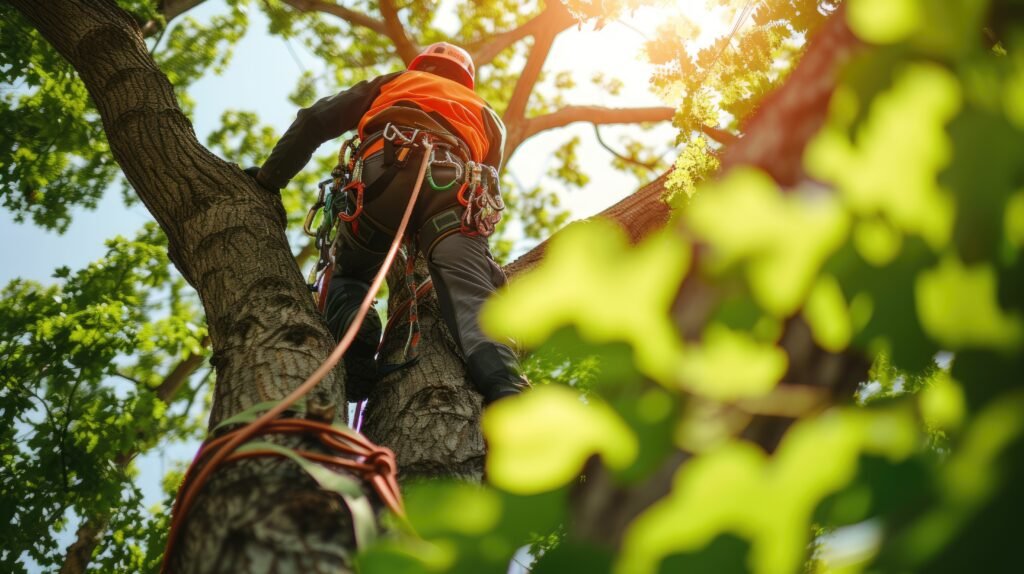
You should involve an arborist early when planning a home renovation, ideally before finalising designs, demolition, excavation, driveway changes or landscaping. Trees can influence building footprints, access, footings, drainage, retaining walls, underground services and council approval. Early assessment allows designers and builders to work around root zones, canopy clearance and tree protection requirements, reducing costly changes later.
In Melbourne, many renovations occur on established properties with mature gum trees, boundary trees, screening trees, street trees and neighbouring vegetation. A Qualified Arborist can identify which trees are suitable for retention, which may require pruning, and whether removal is necessary when construction impacts cannot be avoided.
Quick Summary
Involve an arborist before:
- Finalising renovation plans
- Applying for council approval
- Starting demolition
- Excavating near trees
- Installing footings or retaining walls
- Changing driveways or crossovers
- Trenching for plumbing or drainage
- Pruning branches for building clearance
- Removing trees for access
- Landscaping around mature trees
Early advice can prevent root damage, planning delays, unnecessary removal and unexpected construction issues.
Table of Contents
- Why Arborist Advice Matters During Renovations
- The Best Time to Call an Arborist
- What the Arborist Checks
- Trees, Roots and Building Design
- Council Approval and Arborist Reports
- Protecting Trees During Construction
- Common Mistakes to Avoid
- FAQs
- Summary
- Call Banyan Tree Care
1. Why Arborist Advice Matters During Renovations
Renovations often disturb the parts of a tree that homeowners cannot see. Roots, soil structure and drainage can be affected by excavation, machinery, trenching and changes to ground levels.
A tree may be damaged by:
- Digging near structural roots
- Compacting soil with machinery
- Cutting service trenches
- Installing new driveways
- Changing drainage patterns
- Building retaining walls
- Storing materials under the canopy
- Pruning branches incorrectly for clearance
The problem is that tree decline may not appear immediately. A mature tree can look healthy during construction, then decline months or years later due to root loss or soil compaction.
An arborist helps reduce this risk by identifying tree constraints before work starts.
2. The Best Time to Call an Arborist
The best time to involve an arborist is during the planning stage, before the design is locked in.
Early arborist advice is useful when:
- You are extending near mature trees
- A tree is close to the proposed building footprint
- Roots may be near excavation areas
- Branches overhang the house or work zone
- Driveways, decks or retaining walls are changing
- Services need to be installed near trees
- Council approval may be required
- A builder has suggested removing a tree
- Neighbouring trees may be affected
If the arborist is called after excavation has started, options are often limited. Early advice gives your architect, designer, engineer and builder more flexibility.
3. What the Arborist Checks
During a renovation assessment, an arborist looks at both the tree and the proposed works.
They may assess:
- Tree species
- Tree age and size
- Canopy spread
- Trunk condition
- Structural defects
- Deadwood or storm damage
- Root flare and visible roots
- Soil condition
- Drainage patterns
- Distance to proposed works
- Tree Protection Zone
- Structural Root Zone
- Retention value
- Safety risks
- Council permit considerations
The arborist may also review plans to see how the renovation affects roots, canopy clearance and access.
This helps determine whether the tree can be retained with protection, needs pruning, or may require removal.
4. Trees, Roots and Building Design
Tree roots often extend well beyond the trunk. Many important absorbing roots grow close to the soil surface, where oxygen and moisture are available. This makes roots vulnerable during renovation work.
Design decisions that may affect trees include:
- Footing location
- Slab preparation
- Deck posts
- Driveway excavation
- Retaining wall foundations
- Drainage trenches
- Sewer and stormwater lines
- Pool excavation
- Paving and landscaping levels
Sometimes a small design change can make a big difference. The project may be able to protect the tree by moving a trench, adjusting a driveway, using pier footings, bridging over roots, or using hand excavation near sensitive areas.
An arborist can work with the project team so construction can proceed with less damage to retained trees.
5. Council Approval and Arborist Reports
Some renovations require council tree information, especially where protected trees, planning overlays, native vegetation or significant canopy trees are involved.
An arborist may prepare:
- Arborist Report
- Tree Protection Plan
- Tree Risk Assessment
- Tree retention assessment
- Root zone assessment
- Construction impact advice
- Pruning recommendations
- Removal justification where needed
An Arborist Report can support a council application by documenting tree condition, size, health, structure, defects and construction impacts.
This is useful when applying for tree removal, major pruning or development approval near retained trees.
Council rules vary across Melbourne, so it is important to check requirements before removing or heavily pruning a tree.
6. Protecting Trees During Construction
If a tree is being retained, protection needs to happen on site, not just on paper.
Tree protection may include:
- Temporary fencing around root zones
- No storage of materials under trees
- No machinery access inside protected areas
- No trenching without arborist advice
- Careful pruning for scaffolding clearance
- Supervised excavation near roots
- Mulching to protect soil
- Maintaining existing ground levels
- Preventing concrete washout near trees
- Monitoring tree health during the build
Tree Protection Zones help prevent avoidable damage to roots, trunk, canopy and soil. They are especially important for mature trees, gum trees, boundary trees and trees close to excavation.
Good protection can help a tree survive the renovation and continue providing shade, privacy and property value.
7. Common Mistakes to Avoid
Renovation timelines can move quickly, but tree decisions should not be rushed.
Avoid these mistakes:
- Calling an arborist after plans are finalised
- Assuming the builder alone can decide tree removal
- Excavating near roots without advice
- Cutting roots to install services
- Storing bricks, soil or timber under trees
- Driving machinery across root zones
- Lopping branches for access
- Ignoring neighbouring tree roots
- Removing trees without checking council requirements
- Assuming a healthy canopy means roots are unharmed
A short arborist assessment before construction can prevent expensive delays and long-term tree damage.
FAQs
1. When should I call an arborist for a renovation?
Call an arborist before finalising renovation plans, especially if mature trees are nearby. Early advice identifies root zones, canopy limits, and council requirements, helping avoid design conflicts. Involving an arborist before demolition or excavation allows better protection or informed removal decisions. Waiting until construction starts reduces options and increases risk of damage, delays, and extra costs.
2. Do I need an arborist if the tree is not being removed?
Yes. Even retained trees can be damaged by excavation, compaction, drainage changes, machinery, or service trenches. Damage often occurs below ground and is not immediately visible. An arborist can set a Tree Protection Zone and guide safe construction methods to protect long-term tree health and stability.
3. Can renovation work damage a tree years later?
Yes. Root loss, soil compaction, and drainage changes can slowly weaken a tree. Decline may appear months or years after construction. This is why protection during works is critical. An arborist can identify risks early and recommend steps to protect roots, soil, trunk, and canopy throughout the renovation.
4. What if my builder says the tree must be removed?
Get an arborist assessment first. While removal may sometimes be necessary, it should be based on evidence and council rules. An arborist can assess health, structure, and root impact. In some cases, design changes, pruning, or protection zones can allow the tree to be safely retained.
5. Will I need council approval to remove a tree during renovation?
Possibly. Requirements vary across Melbourne depending on tree size, species, overlays, and local laws. Renovation work does not automatically allow removal. An Arborist Report may be needed to support approval. Always check council rules before removing or heavily pruning a significant tree.
6. Can an arborist work with my builder or architect?
Yes. Arborists regularly collaborate with builders, architects, and engineers. They explain root zones, pruning limits, and protection methods so designs can be adjusted early. This reduces tree damage, avoids council issues, and helps keep the renovation on track while protecting valuable trees.
Summary
Involve an arborist early when renovating your home, ideally before plans are finalised and before any demolition or excavation begins. Trees can affect footings, services, access, driveways, retaining walls, pruning clearance and council approval.
An arborist can assess tree health, root zones, construction impacts and retention options. They can also prepare Arborist Reports, Tree Protection Plans and removal recommendations where required. Early advice helps protect valuable trees, avoid unnecessary removal and reduce renovation delays.
Call Banyan Tree Care for Renovation Tree Advice
If you are planning a renovation and have trees near the proposed works, Banyan Tree Care can provide expert advice to help you make informed decisions before construction begins.
Contact us to arrange a professional arborist inspection and ensure your trees are properly assessed and protected throughout your project. Call Banyan Tree Care on 0432 277 627 to arrange a professional arborist assessment.