
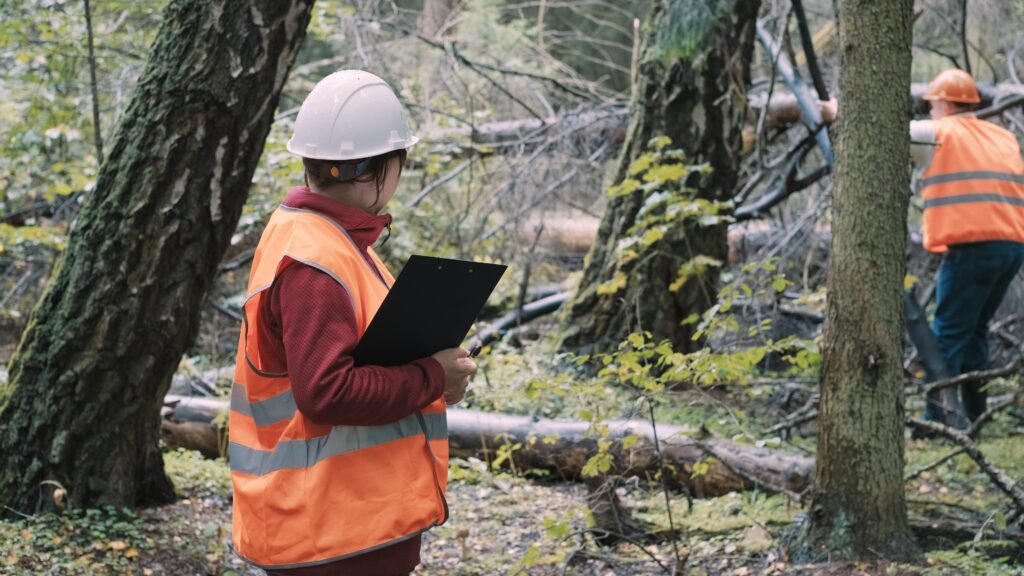
Yes, trees should be inspected before installing a new fence if they are close to the boundary, fence line, excavation area or post holes. Fence work may look simple, but digging, trenching, concrete footings, machinery access and root cutting can damage trees quickly. In Melbourne, many boundary trees, neighbouring trees and mature garden trees have roots that extend across fence lines.
A professional tree inspection can help identify root zones, trunk stability, canopy clearance and whether the fence design may affect tree health. It can also help prevent neighbour disputes, unnecessary tree removal, council issues and future structural problems. If the tree is large, protected, leaning, declining or close to proposed fence posts, an arborist should inspect it before fencing begins.
Quick Summary
Inspect trees before fence installation when:
- Trees are growing near the boundary
- Roots are visible near the fence line
- Fence posts require deep holes
- The tree belongs to a neighbour
- The tree is mature or protected
- The fence line is close to the trunk
- Machinery will access the root zone
- Branches need clearance pruning
- Retaining walls or level changes are planned
- You want to avoid future tree removal
A small Tree Inspection before fencing can prevent expensive root damage later.
Table of Contents
- Why Fence Work Can Affect Trees
- Roots Often Cross Fence Lines
- When You Should Call an Arborist
- Fence Designs That Are More Tree-Friendly
- Neighbouring Trees and Boundary Issues
- Council Rules and Protected Trees
- Common Mistakes to Avoid
- FAQs
- Summary
- Call Banyan Tree Care
1. Why Fence Work Can Affect Trees
Fence installation often involves digging post holes, removing old fence posts, cutting roots, using machinery and pouring concrete. These activities can damage tree roots, compact soil or disturb the base of the tree.
Trees may be affected by:
- Deep post holes near roots
- Cutting structural roots
- Excavation along the fence line
- Soil compaction from workers or equipment
- Concrete around roots
- Changes to ground levels
- Root exposure
- Branch cutting for access
- Damage to bark or trunk flare
The tree may not show stress straight away. It may decline months later with thinning foliage, dead branches, fungal growth or sudden instability. This is why early tree assessment matters.
2. Roots Often Cross Fence Lines
Tree roots do not stop at property boundaries. A tree growing on your side may have roots under your neighbour’s land, and a neighbour’s tree may have roots running through your fence line.
This matters because roots help with:
- Stability
- Water uptake
- Nutrient absorption
- Soil anchorage
- Tree health
- Wind resistance
Cutting large roots near a fence can reduce tree stability, especially if the tree is mature or already leaning. It can also affect the health of a neighbouring tree, which may lead to disputes.
If roots are visible where the fence posts need to go, do not cut them without advice. A local arborist can assess whether roots are minor, significant or structural.
3. When You Should Call an Arborist
You should involve an arborist before fencing if the tree is close enough to be affected by digging or access.
Call an arborist if:
- The trunk is within a few metres of the fence line
- Large roots are visible
- The tree is mature or high-value
- The tree is leaning toward the fence
- The tree has cracks, cavities or fungi
- The fence installer wants to cut roots
- The tree is protected by council controls
- The tree belongs to a neighbour
- The new fence includes retaining or excavation
- You are unsure whether removal is needed
A qualified arborist can inspect the tree, assess root impact, recommend safe post locations and advise whether an Arborist Report is needed.
4. Fence Designs That Are More Tree-Friendly
A fence can often be installed without damaging a tree if the design is adjusted early.
Tree-friendly options may include:
- Moving post holes away from major roots
- Using fewer deep excavations near the trunk
- Bridging fence sections over roots
- Using hand digging near sensitive roots
- Avoiding continuous trenching
- Keeping concrete away from root flare areas
- Adjusting the fence alignment slightly
- Pruning only what is necessary for access
- Protecting exposed roots during works
The best solution depends on the tree species, root location, fence type and site conditions.
For mature trees, even small design changes can make a large difference. A careful fence installer and arborist can often work together to protect the tree and complete the fence properly.
5. Neighbouring Trees and Boundary Issues
Neighbouring trees are one of the most common fencing complications. A tree may stand on the other side of the boundary, but its roots and branches may affect your fence project.
Before installing the fence, check:
- Who owns the tree
- Whether roots cross the fence line
- Whether branches need pruning
- Whether the tree is protected
- Whether the fence work may destabilise it
- Whether your neighbour should be notified
- Whether council approval is required
Avoid cutting roots or branches from a neighbouring tree without understanding your rights and responsibilities. Poor work can cause tree decline, property disputes or liability issues.
A professional Tree Services Melbourne provider can inspect the tree and give practical guidance before work begins.
6. Council Rules and Protected Trees
Some trees in Melbourne may be protected by local laws, overlays, heritage controls or vegetation rules. This can affect fencing work if the tree needs pruning, root cutting or removal.
Council approval may be relevant when:
- A protected tree is close to the fence line
- Roots may be cut
- Major pruning is needed
- The tree may need removal
- The property is covered by vegetation controls
- Works affect a significant or native tree
- Construction is part of a larger renovation or development
Do not assume fence installation gives automatic permission to damage or remove a tree.
If there is uncertainty, an arborist can inspect the site, prepare documentation and recommend whether tree removal Melbourne services are genuinely required or whether the tree can be retained safely.
7. Common Mistakes to Avoid
Fence projects often damage trees because the tree is considered too late.
Avoid these mistakes:
- Cutting roots to make post holes fit
- Pouring concrete against the trunk
- Raising soil levels around the tree
- Using machinery over root zones
- Removing branches with harsh lopping
- Ignoring neighbouring tree roots
- Installing retaining walls without root advice
- Assuming small roots do not matter
- Waiting until the tree starts declining
- Removing a protected tree without approval
A tree that survives the fence installation may still decline later if roots were damaged. Early assessment is safer, cheaper and usually more practical.
FAQs
1. Do I need an arborist before installing a fence?
Not always, but you should if trees are close, roots are visible, or the tree is mature, protected, or shared. An arborist checks root impact, stability, and safe methods to prevent damage and future decline.
2. Can fence post holes damage tree roots?
Yes. Post holes can cut roots, especially near trunks. This can weaken stability and health, sometimes showing later as dieback or leaning. Stop work if roots appear and get arborist advice first.
3. What if my neighbour’s tree roots are on my fence line?
Don’t cut them without advice. Neighbouring roots may be structural and damaging them can cause disputes or tree failure. An arborist can assess and suggest safer fence adjustments.
4. Can I prune branches to install the fence?
Light pruning may be allowed, but heavy cutting or lopping can harm the tree. Rules may apply for neighbour or protected trees. An arborist can confirm safe limits and any required approvals.
5. Should a tree be removed before fence installation?
Only if it’s unsafe, dead, decayed, or blocks construction. Many trees can be retained with design changes or pruning. An arborist should confirm if removal is truly necessary.
6. What is the safest way to install a fence near trees?
Inspect first, map roots, avoid major cuts, hand-dig near roots, adjust post locations, and keep concrete away from trunks. Use an arborist for guidance on mature or protected trees.
Summary
Trees should be inspected before installing a new fence when they are close to the boundary, root zone, post holes or access path. Fence work can damage roots, compact soil, affect neighbouring trees and create future stability problems if it is not planned carefully.
A qualified arborist can assess tree health, root location, council requirements and safe fence installation options. In many cases, small changes to post placement or construction methods can protect the tree and avoid unnecessary removal.
Call Banyan Tree Care Before Installing a Fence Near Trees
If you are planning a new fence near mature trees, boundary trees or neighbouring vegetation, Banyan Tree Care can inspect the site and advise the safest approach.
We provide tree assessments, arborist inspections, root zone advice, Arborist Reports, pruning, Tree Protection Plans, stump grinding and professional Tree Removal Melbourne services where required.
Call Banyan Tree Care on 0432 277 627 to arrange a professional arborist assessment.