
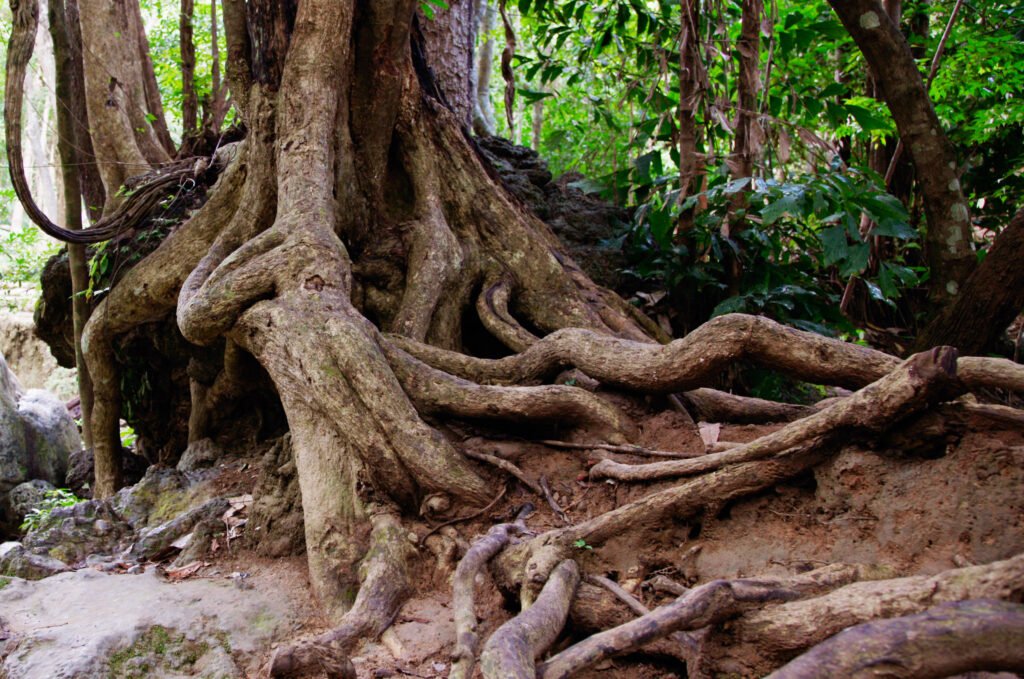
A tree growing towards your house is not always dangerous, but it should be checked if the trunk is leaning, branches are touching the roof, roots are lifting surfaces, or the tree has cracks, decay or poor structure. Trees often grow towards light, open space or away from competition. This can be normal. The concern is whether the tree is stable and whether the canopy, trunk or roots could damage your home.
In Melbourne, many properties have mature trees close to houses, garages, fences, driveways and outdoor areas. The safest step is to arrange a professional tree inspection before assuming the tree needs removal. A qualified arborist can assess whether pruning, canopy reduction, root management, monitoring or Tree Removal Melbourne services are needed.
Quick Summary
You should be concerned if the tree has:
- A sudden lean towards the house
- Large branches over the roof
- Cracks in the trunk
- Soil lifting near the base
- Fungal growth around roots
- Roots affecting paving or foundations
- Branches touching gutters or tiles
- Deadwood above the home
- Storm damage
- A heavy canopy on one side
A tree that has grown slowly towards the house may be manageable. A tree that has suddenly moved needs urgent assessment.
Table of Contents
- Why Trees Grow Towards Houses
- When a Leaning Tree Becomes a Concern
- Can Pruning Fix the Problem?
- Do Roots Need to Be Removed?
- When Tree Removal May Be Needed
- What to Check Before Calling an Arborist
- Common Mistakes to Avoid
- FAQs
- Summary
- Call Banyan Tree Care
1. Why Trees Grow Towards Houses
Trees do not choose to grow towards buildings. They respond to light, space, wind, pruning history and competition from nearby trees.
A tree may grow towards your house because:
- That side has more sunlight
- Other trees are shading one side
- Previous pruning removed branches unevenly
- The tree is reaching over a fence or roofline
- Wind exposure has shaped the canopy
- The tree was planted too close to the building
- The canopy has become unbalanced over time
This type of gradual growth is common in suburban Melbourne gardens. A slight lean or one-sided canopy does not always mean the tree is unstable.
The real question is whether the tree has enough root support, good trunk structure and a manageable canopy.
2. When a Leaning Tree Becomes a Concern
A tree growing towards a house becomes more concerning when the lean is new, worsening or connected to structural defects.
Warning signs include:
- Fresh cracks in the soil
- Raised ground near the root plate
- Exposed or broken roots
- A sudden change in lean
- Cracks in the trunk
- Splitting between major stems
- Large dead limbs
- Fungal growth near the base
- Hollow sections
- Branches falling during calm weather
- Movement after storms or heavy rain
A long-term lean may be part of the tree’s normal growth. A sudden lean can mean root movement or structural failure.
If the tree is leaning towards a bedroom, garage, driveway, neighbour’s property or outdoor entertaining area, arrange a tree risk assessment promptly.
3. Can Pruning Fix the Problem?
Pruning can often help when the issue is canopy weight, roof clearance or branch overhang. It cannot fix every leaning tree.
An arborist may recommend:
- Crown reduction
- Selective branch removal
- Deadwood removal
- Canopy balancing
- Clearance pruning from the roof
- Weight reduction on heavy limbs
- Structural pruning
- Ongoing monitoring
Good pruning reduces risk while keeping enough healthy canopy for the tree to function. Heavy tree lopping should be avoided because it can create large wounds, weak regrowth and future instability.
If branches are touching gutters, tiles, solar panels or walls, pruning may prevent property damage. If the whole tree is unstable, pruning alone may not be enough.
4. Do Roots Need to Be Removed?
Roots should not be removed without arborist advice. Tree roots provide support, water and nutrients. Cutting the wrong roots can make a tree less stable, especially if it is already leaning towards a house.
Homeowners sometimes ask about Tree Root removal when roots are lifting paving, damaging pipes, affecting retaining walls or growing near foundations. In some cases, root pruning may be possible. In other cases, cutting roots could make the risk worse.
An arborist may assess:
- Root size
- Distance from the trunk
- Soil condition
- Tree species
- Lean direction
- Structural root zone
- Damage to hard surfaces
- Impact on tree stability
- Whether root barriers are suitable
If roots are causing building concerns, the solution may involve root investigation, root pruning, engineering advice, drainage improvements or tree removal.
5. When Tree Removal May Be Needed
Tree removal may be recommended when the risk cannot be reduced through pruning or monitoring.
Removal may be needed if:
- The tree is unstable
- The lean is increasing
- Root failure is visible
- The trunk is cracked or decayed
- Large limbs over the house are unsafe
- The tree has poor structure
- The tree is too close to the building
- Roots are causing serious damage
- Storm damage has weakened the tree
- Council approval supports removal
A professional Tree Services Melbourne team should never recommend removal simply because the tree leans. The decision should be based on risk, defects, location, tree health and available management options.
If council controls apply, an Arborist Report may be required before removal.
6. What to Check Before Calling an Arborist
Before calling an arborist, take a few safe photos from the ground.
Helpful photos include:
- The whole tree
- The lean towards the house
- Branches over the roof
- The trunk base
- Any cracks or fungi
- Roots lifting paving
- Branches touching gutters
- Damage after storms
- Distance between tree and house
Also note when you first noticed the issue. A tree that has looked the same for ten years is different from a tree that started leaning after last week’s storm.
Do not climb the tree, cut large branches, dig around roots or try to pull the tree upright.
7. Common Mistakes to Avoid
Avoid these mistakes when a tree is growing towards your home:
- Panicking and removing it without assessment
- Ignoring a sudden lean
- Cutting major roots yourself
- Lopping the top to reduce height
- Removing too much canopy from one side
- Waiting until branches damage the roof
- Assuming roots are damaging foundations without evidence
- Forgetting council tree permit rules
- Comparing quotes without checking qualifications
- Choosing the cheapest option for a high-risk tree
The safest approach is to get the tree assessed properly and then choose the least harmful solution that manages the risk.
FAQs
1. Is a tree leaning towards my house dangerous?
A leaning tree is not always dangerous. Many grow at an angle due to light or wind. It becomes a concern if the lean is new, increasing, or linked to cracks, decay, or root movement. If it is large or close to the house, an arborist should inspect it.
2. Can pruning stop a tree growing towards my house?
Pruning can reduce weight, improve clearance, and balance the canopy, but it cannot change trunk direction. It may slow growth towards the house, but won’t fix structural lean. If the tree is unstable, pruning alone may not be enough and further assessment is needed.
3. Should I cut roots that are growing near my house?
No, do not cut roots without advice. Roots support stability, and removing them can weaken the tree. If roots are causing damage, an arborist can assess options like root pruning, barriers, or removal. Improper cutting can increase risk rather than solve it.
4. When should I call a tree services Melbourne company?
Call if the tree is leaning, has roof contact, root damage, deadwood, trunk cracks, fungi, or moved after storms. These signs may indicate risk. Early inspection helps prevent emergencies and may reduce the need for full removal.
5. Will council approval be needed to remove the tree?
Often yes, depending on local laws, overlays, size, or species protections. Rules vary across Melbourne councils. Check before removal or ask an arborist. If the tree is dangerous, photos and a report may support approval.
6. Can a tree close to a house be saved?
Yes, many can be saved with pruning, reduction, root care, and monitoring. It depends on health, structure, and distance from the house. If major defects exist, removal may be safer. An arborist can confirm the best option.
Summary
A tree growing towards your house is not always a problem, but it should be assessed if it is leaning, touching the roof, dropping branches, lifting soil, damaging surfaces or showing signs of decay. Gradual growth towards light may be normal. Sudden movement or structural defects are more serious.
The right solution may be pruning, canopy reduction, root management, monitoring or removal. Avoid cutting roots or lopping the tree without advice, as this can make the tree less stable.
Call Banyan Tree Care for Tree Advice in Melbourne
If your tree is growing towards your house, Banyan Tree Care can inspect it and explain the safest next step.
We provide tree inspections, tree risk assessments, Arborist Reports, tree pruning, canopy reduction, root advice, stump grinding, emergency tree work and professional tree removal Melbourne services. Call Banyan Tree Care on 0432 277 627 to arrange a professional arborist assessment.