
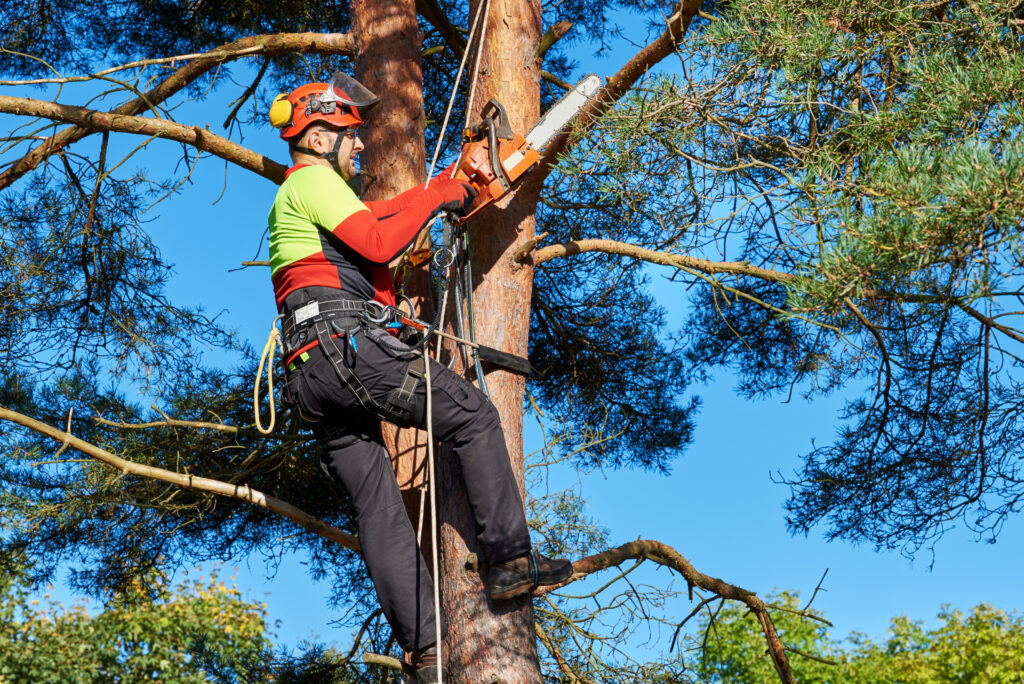
A diseased tree doesn’t always need to be removed. A qualified Arborist Melbourne will assess the tree as a whole before recommending treatment, ongoing monitoring, pruning, or removal. The outcome depends on several factors, including the type of disease, how much of the tree has been affected, its structural condition, its overall health, and the risk it poses to people and property. In this guide, we’ll explain how arborists evaluate diseased trees, what influences the chances of recovery, and how early intervention can often prevent unnecessary tree loss.
Quick Summary
A diseased tree may be saved if:
- The disease is identified early.
- The root system remains healthy.
- Structural integrity has not been compromised.
- The disease can be managed or treated.
- The tree is still actively growing.
- The level of risk is acceptable.
A qualified arborist considers much more than the visible symptoms before deciding whether a tree should be retained or removed.
Table of Contents
- Does Tree Disease Always Mean Removal?
- How Arborists Diagnose Tree Diseases
- The Type of Disease Matters
- How Much of the Tree Has Been Affected?
- Tree Health vs Structural Safety
- The Importance of Root Health
- Can Pruning Save a Diseased Tree?
- How Soil Conditions Affect Recovery
- The Role of Regular Monitoring
- When Tree Removal Becomes Necessary
- Preventing Tree Diseases
- Frequently Asked Questions
- Final Thoughts
Does Tree Disease Always Mean Removal?
No.
One of the biggest misconceptions homeowners have is that disease automatically means a tree must come down.
In reality, many diseases can be managed successfully when detected early.
Professional arborist services Melbourne often help retain trees through:
- Professional pruning
- Soil improvement
- Root management
- Pest control
- Ongoing monitoring
- Reducing structural risk
Removal is generally considered only when the disease has caused irreversible decline or created an unacceptable safety risk.
How Arborists Diagnose Tree Diseases
Correct diagnosis is essential.
Many problems that appear to be disease are actually caused by:
- Drought stress
- Nutrient deficiencies
- Root damage
- Soil compaction
- Poor drainage
- Construction impacts
Before recommending tree removal Melbourne, an arborist investigates the underlying cause.
The inspection usually includes:
Canopy Assessment
Looking for:
- Leaf colour
- Premature leaf drop
- Dieback
- Sparse growth
- Dead branches
Trunk Inspection
Checking for:
- Cracks
- Cavities
- Fungal fruiting bodies
- Bleeding wounds
- Bark damage
Root Zone Assessment
Inspecting:
- Root flare
- Soil moisture
- Drainage
- Root decay
- Compaction
Site Conditions
Considering:
- Irrigation
- Recent landscaping
- Construction
- Nearby trees
- Environmental stress
Only after evaluating the whole tree can an accurate recommendation be made.
The Type of Disease Matters
Not all tree diseases behave the same way.
Some affect:
- Leaves only.
- Branches only.
- The vascular system.
- The roots.
- The trunk.
Some diseases progress slowly over many years.
Others spread rapidly and severely weaken the tree.
Accurate identification is one of the most important parts of professional arboriculture.
How Much of the Tree Has Been Affected?
Arborists assess the extent of the disease rather than focusing only on visible symptoms.
Questions include:
- Is the disease confined to one branch?
- Has it spread throughout the canopy?
- Is the trunk affected?
- Are the roots infected?
- Is the tree producing healthy new growth?
A tree with localised disease often has a much better chance of recovery than one experiencing widespread decline.
Tree Health vs Structural Safety
A diseased tree can still appear healthy.
Likewise, a tree with poor foliage may remain structurally sound.
Professional arborists separately assess:
Tree Health
Including:
- Growth rate
- Leaf quality
- Crown density
- Vigour
Structural Integrity
Looking for:
- Decay
- Weak branch unions
- Hollow trunks
- Cracks
- Root stability
This distinction is important because some diseases primarily affect appearance, while others compromise the tree’s ability to remain standing safely.
The Importance of Root Health
Healthy roots are essential for recovery.
Diseases affecting the root system are often more serious because they reduce:
- Water uptake
- Nutrient absorption
- Structural stability
Signs of root problems include:
- Fungal growth near the base
- Soil lifting
- Leaning
- Canopy decline
- Reduced vigour
Once extensive root decay develops, the likelihood of successful recovery decreases significantly.
Can Pruning Save a Diseased Tree?
In many cases, yes.
Professional Tree Pruning Melbourne can:
- Remove infected branches.
- Improve airflow.
- Reduce disease spread.
- Remove deadwood.
- Encourage healthy new growth.
However, pruning alone cannot cure every disease.
Treatment depends on the cause and severity of the problem.
Aggressive tree lopping should never be used as a substitute for proper disease management.
How Soil Conditions Affect Recovery
Healthy soil plays a major role in disease resistance.
Professional arborists often assess:
- Soil compaction
- Organic matter
- Drainage
- Irrigation
- Mulching practices
Improving soil conditions helps support:
- Root growth
- Water absorption
- Nutrient uptake
- Overall tree health
Many declining trees recover once the underlying soil problems are corrected.
The Role of Regular Monitoring
Some diseases require ongoing observation rather than immediate removal.
An arborist may recommend:
- Annual inspections
- Seasonal monitoring
- Repeat Tree Risk Assessments
- Follow-up pruning
- Monitoring fungal activity
- Watching for structural changes
This approach allows valuable mature trees to be retained safely while responding quickly if their condition changes.
When Tree Removal Becomes Necessary
Professional tree removal Melbourne is generally recommended when:
- The disease has caused extensive structural decay.
- The root system has failed.
- The tree is dying rapidly.
- The trunk has become unstable.
- The risk to people or property is unacceptable.
- Treatment is unlikely to succeed.
Removal decisions are based on both tree health and public safety.
Preventing Tree Diseases
Good preventative care greatly reduces the likelihood of serious disease.
Professional arborist services Melbourne may recommend:
Regular Inspections
Early detection provides the greatest chance of successful treatment.
Correct Pruning
Following recognised pruning practices minimises unnecessary wounds.
Protecting Roots
Avoid:
- Excavation
- Soil compaction
- Excessive paving
- Root cutting
Improving Soil Health
Healthy soil produces healthier trees that are more resistant to disease.
Prompt Storm Damage Repairs
Broken branches should be pruned correctly to reduce opportunities for fungal infection.
Australian Standards and Professional Best Practice
Qualified arborists work in accordance with recognised Australian Standards where appropriate.
AS 4373 – Pruning of Amenity Trees
Guides:
- Correct pruning
- Wound management
- Tree preservation
- Long-term health
AS 4970 – Protection of Trees on Development Sites
Protects:
- Root systems
- Tree Protection Zones
- Soil structure
- Construction impacts
These standards help support healthy trees while reducing unnecessary decline.
Common Mistakes Homeowners Make
Many diseased trees decline because action wasn’t taken early enough.
Common mistakes include:
- Ignoring early symptoms.
- Assuming yellow leaves always mean disease.
- Overwatering stressed trees.
- Damaging roots during landscaping.
- Using excessive tree lopping.
- Waiting until large branches begin dying.
- Removing trees without first obtaining professional advice.
Early assessment usually provides more management options.
Frequently Asked Questions
1. Can a diseased tree recover?
Yes. Many trees recover successfully when diseases are identified and treated before significant structural damage occurs.
2. How does an arborist know if a tree can be saved?
They assess the type of disease, overall tree health, structural integrity, root condition, growth patterns, and the level of risk.
3. Does fungus always mean a tree must be removed?
No. Some fungi are relatively minor, while others indicate significant internal decay. Proper identification is essential.
4. Can pruning stop disease spreading?
In some situations, removing infected branches can slow disease progression and improve the tree’s overall health.
5. Can poor soil cause disease symptoms?
Yes. Nutrient deficiencies, drainage problems, and compacted soil often mimic disease.
6. Should every diseased tree be removed?
No. Removal is generally considered only when treatment is unlikely to succeed or public safety cannot be maintained.
7. Can root diseases be treated?
Some can be managed depending on the cause, severity, and overall condition of the tree. Others may eventually require removal.
8. How often should diseased trees be monitored?
Monitoring intervals depend on the disease, tree species, location, and level of risk. Your arborist will recommend an appropriate schedule.
9. Will council approval still be required if a tree is diseased?
In many Melbourne municipalities, yes. Protected trees may still require approval before removal, even if disease is present. Requirements vary between councils.
10. Who should inspect a diseased tree?
A qualified arborist Melbourne should assess the tree before any major work is carried out to determine the cause of decline and recommend the most appropriate management strategy.
Final Thoughts
The presence of disease doesn’t automatically mean a tree has reached the end of its life. Many trees can be successfully managed through early diagnosis, professional pruning, improved soil conditions, and ongoing monitoring. The key is understanding whether the disease affects the tree’s appearance, its long-term health, or its structural stability. That assessment requires professional knowledge, practical experience, and a thorough understanding of tree biology.
At Banyan Tree Care, we provide expert arborist services Melbourne, Tree Risk Assessments, Arborist Reports, tree pruning Melbourne, and tree removal Melbourne for residential, commercial, and development properties. Every recommendation is based on a detailed inspection of the tree’s health, structural condition, and surrounding environment, ensuring we only recommend removal when it is genuinely the safest and most appropriate solution. If you’re concerned about a tree showing signs of disease, don’t wait until the damage becomes irreversible. Contact Banyan Tree Care on 0432 277 627 to arrange a professional assessment. Early intervention can often save a valuable tree, reduce long-term costs, and help keep your property safe.