
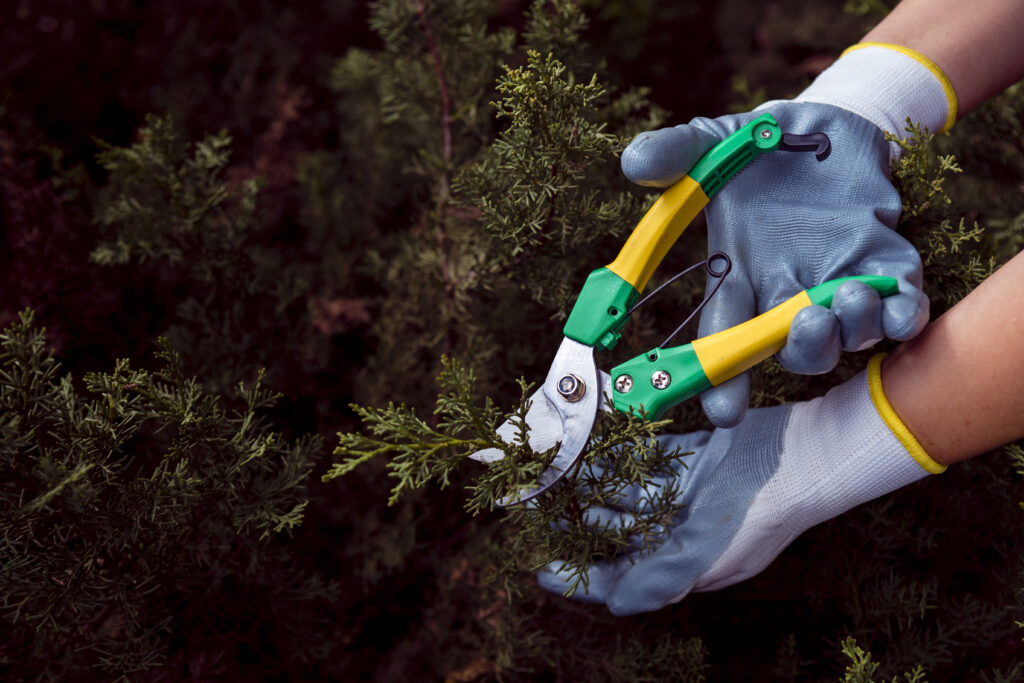
By arranging regular inspections with qualified arborists in Melbourne, carrying out professional Tree Pruning in Melbourne, and protecting the health of the root system, homeowners can significantly reduce the likelihood of storm damage and avoid costly emergency tree removal. While no tree is completely storm-proof, many storm-related failures can be prevented through regular maintenance and early intervention. Most trees don’t fail because of the storm alone. They fail because hidden defects, dead branches, root damage, or poor pruning have weakened them over time. This guide explains the practical steps you can take to prepare your trees before the next storm arrives.
Quick Summary
Homeowners can reduce storm damage by:
- Having mature trees inspected regularly
- Removing dead or damaged branches
- Scheduling professional structural pruning
- Protecting tree roots during landscaping
- Monitoring trees after severe weather
- Improving soil health
- Watching for signs of disease or decay
- Avoiding poor tree lopping practices
- Acting early when problems are identified
Preventative maintenance is almost always safer and more affordable than emergency tree work after a storm.
Table of Contents
- Why Trees Fail During Storms
- Schedule Regular Arborist Inspections
- Remove Deadwood Before Storm Season
- Invest in Professional Tree Pruning
- Protect the Root System
- Monitor Tree Health Throughout the Year
- Watch for Structural Defects
- Prepare Trees Before Severe Weather
- Inspect Trees After Storms
- Know When Tree Removal Is the Safest Option
- Common Mistakes Homeowners Make
- Frequently Asked Questions
- Final Thoughts
Why Trees Fail During Storms
Storms don’t usually create problems.
They expose weaknesses that already exist.
Professional arborist services Melbourne commonly identify storm failures caused by:
- Hidden decay
- Root damage
- Dead branches
- Weak branch unions
- Poor pruning
- Soil instability
- Disease
- Previous storm damage
Addressing these issues early greatly improves a tree’s ability to withstand strong winds.
Schedule Regular Arborist Inspections
One of the best ways to reduce storm damage is through routine inspections.
Qualified arborists assess:
- Tree health
- Structural condition
- Root stability
- Canopy balance
- Potential hazards
Large mature trees near homes should generally be inspected every two to three years.
Trees near schools, commercial buildings, public roads, or those with known defects may require more frequent inspections.
Early detection gives you more management options and reduces the likelihood of emergency situations.
Remove Deadwood Before Storm Season
Dead branches are among the first parts of a tree to fail during high winds.
Professional deadwood removal reduces the risk of:
- Roof damage
- Broken windows
- Damaged vehicles
- Injuries to people
- Blocked driveways
Removing dead branches before storm season is one of the simplest and most effective preventative measures.
Invest in Professional Tree Pruning
Professional tree pruning Melbourne improves both tree health and structural stability.
Unlike aggressive tree lopping, proper pruning follows accepted arboricultural practices.
Benefits include:
- Reducing branch weight
- Improving canopy balance
- Removing weak limbs
- Increasing airflow
- Lowering wind resistance
Well-maintained trees generally perform much better during severe weather.
Protect the Root System
Healthy roots are the foundation of a stable tree.
Many trees fall during storms because their roots have been damaged years earlier.
Avoid:
- Cutting major roots
- Excavating near mature trees
- Compacting soil with heavy machinery
- Raising or lowering ground levels around the trunk
If construction is planned, consult a qualified arborist Melbourne before work begins.
Protecting the root zone today helps reduce storm damage in the future.
Monitor Tree Health Throughout the Year
Healthy trees are generally more resilient during extreme weather.
Watch for:
- Sparse canopies
- Yellowing leaves
- Dieback
- Fungal growth
- Premature leaf drop
- Excessive deadwood
These symptoms don’t always indicate immediate danger, but they should be professionally assessed before storms place additional stress on the tree.
Watch for Structural Defects
Many dangerous defects develop gradually.
Warning signs include:
- Cracks in the trunk
- Hollow sections
- Leaning
- Weak branch unions
- Cavities
- Soil lifting around the base
Professional Tree Risk Assessments help determine whether these defects require pruning, monitoring, or Tree Removal Melbourne.
Prepare Trees Before Severe Weather
If severe weather is forecast:
- Move vehicles away from large overhanging branches where possible.
- Secure outdoor furniture.
- Keep gutters clear.
- Avoid parking beneath trees showing obvious defects.
- Report branches touching powerlines to the relevant authority.
Preparation won’t stop every incident, but it can reduce potential damage.
Inspect Trees After Storms
Even if your tree remains standing, it may have suffered hidden damage.
After severe weather, inspect trees from a safe distance for:
- Broken branches
- Fresh cracks
- Leaning
- Soil movement
- Hanging limbs
- Split branch unions
Never stand beneath a damaged tree.
If you notice any of these signs, arrange a professional inspection before the next storm.
Know When Tree Removal Is the Safest Option
Not every tree can be preserved.
Professional tree removal Melbourne may be recommended when:
- Extensive root failure is present.
- The trunk has severe structural decay.
- Storm damage has compromised stability.
- The tree is dead.
- The risk cannot be reduced through pruning or structural support.
Removal is generally considered only after other management options have been evaluated.
Create a Long-Term Tree Maintenance Plan
Storm preparation shouldn’t begin when bad weather is forecast.
The best results come from ongoing tree care.
A long-term maintenance plan may include:
- Routine arborist inspections
- Scheduled tree pruning Melbourne
- Deadwood removal
- Soil improvement
- Root zone protection
- Tree Risk Assessments after major storms
- Monitoring mature or high-value trees
By treating tree maintenance as part of regular property care, homeowners reduce the chance of unexpected failures and extend the life of healthy trees.
Australian Standards and Professional Best Practice
Professional arborists follow recognised Australian Standards where appropriate.
AS 4373 – Pruning of Amenity Trees
Supports:
- Structural pruning
- Crown reduction
- Tree preservation
- Correct pruning techniques
AS 4970 – Protection of Trees on Development Sites
Provides guidance for:
- Tree Protection Zones
- Root protection
- Construction planning
- Long-term tree health
Following these standards helps trees remain healthier and more resilient during severe weather.
Real-World Example
Following a series of strong winds in Melbourne, Banyan Tree Care inspected two neighbouring properties with mature gum trees.
At the first property, the homeowner had arranged routine inspections and tree pruning Melbourne every few years. Dead branches had been removed, canopy weight had been reduced, and the tree remained well balanced. Despite the storm, the tree suffered only minor twig loss and required no emergency work.
At the neighbouring property, a similar-sized gum tree had not been maintained for many years. Large dead limbs remained over the driveway, and hidden decay had developed around a major branch union. During the storm, one of these limbs failed and damaged two parked vehicles. Fortunately, no one was injured.
The difference wasn’t the severity of the storm. It was the level of maintenance before the storm arrived.
Common Mistakes Homeowners Make
Many storm-related tree failures could be reduced through better maintenance.
Common mistakes include:
- Waiting until a branch falls before calling an arborist.
- Ignoring deadwood.
- Assuming green leaves mean the tree is healthy.
- Damaging roots during landscaping.
- Choosing aggressive tree lopping instead of professional pruning.
- Never inspecting mature trees close to the home.
- Delaying inspections after previous storms.
Early action usually costs less than emergency repairs.
Frequently Asked Questions
1. Can storm damage be completely prevented?
No. However, regular maintenance significantly reduces the likelihood of tree failure during severe weather.
2. How often should trees be inspected?
Healthy mature trees should generally be inspected every two to three years, while higher-risk trees may require annual assessments.
3. Does pruning make trees stronger?
Professional structural pruning improves canopy balance, reduces branch weight, and lowers wind resistance, helping trees better withstand storms.
4. Should dead branches always be removed?
Yes. Deadwood is one of the most common causes of storm-related branch failures.
5. Can root damage increase the risk of trees falling?
Absolutely. Root damage reduces stability and is one of the leading causes of whole-tree failure during storms.
6. Should I inspect trees after every major storm?
Yes. Hidden structural damage isn’t always obvious and may increase the risk of failure during future storms.
7. Can tree lopping reduce storm damage?
Aggressive tree lopping often weakens trees over time. Professional pruning is generally the safer and more effective approach.
8. How do I know if a tree is becoming dangerous?
Warning signs include dead branches, cracks, cavities, leaning, fungal growth, and soil movement around the base. A qualified arborist should assess these symptoms.
9. Is tree removal always necessary after storm damage?
No. Many storm-damaged trees can be retained through pruning, cabling, or ongoing monitoring, depending on their condition.
10. Who should inspect my trees before storm season?
A qualified arborist Melbourne with experience in Tree Risk Assessments can identify defects and recommend the most appropriate management plan.
Final Thoughts
The best time to prepare your trees for a storm is long before severe weather arrives. Regular inspections, professional tree pruning Melbourne, healthy root management, and early treatment of structural defects all play an important role in reducing storm damage. While no tree can be made completely resistant to extreme weather, proactive maintenance greatly improves safety, protects your property, and helps preserve valuable mature trees for years to come.
At Banyan Tree Care, we help homeowners, commercial property owners, schools, body corporates, councils, builders, and developers reduce storm-related risks through professional arborist services Melbourne, Tree Risk Assessments, tree pruning Melbourne, storm damage inspections, and safe tree removal Melbourne when necessary. Our experienced arborists provide practical advice based on the condition of your trees, ensuring the right work is carried out before small issues become costly emergencies. If you want to prepare your trees before the next storm season, contact Banyan Tree Care on 0432 277 627. A professional inspection today could help prevent significant property damage tomorrow.