
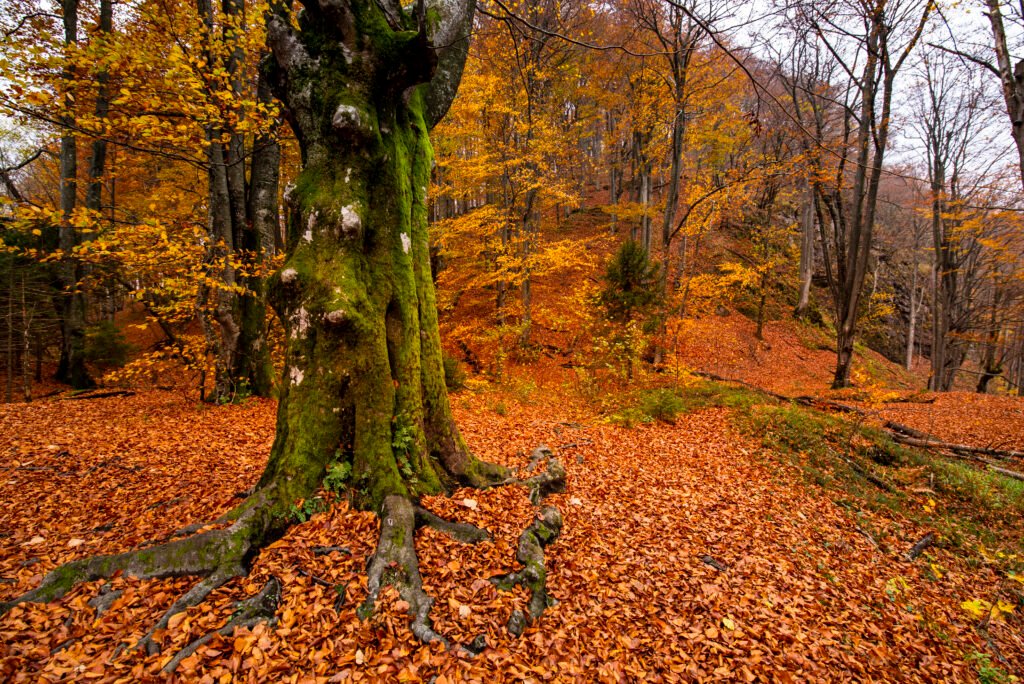
In Melbourne, trees can fail without obvious warning because of internal decay, root damage, saturated soil, storm loading, weak branch unions or previous poor pruning. A tree can look healthy from the outside and still have serious defects hidden inside the trunk, branches or root system. Green leaves do not always mean a tree is structurally safe.
This is why a professional Tree Service in Melbourne should look beyond the canopy. A qualified inspection checks the whole tree, including roots, trunk, branch attachments, soil conditions and nearby targets. Some trees can be managed with pruning or monitoring, while others may need a tree removal service if the risk is too high.
Quick Summary
Healthy-looking trees may fall because of:
- Hidden root decay
- Internal trunk cavities
- Fungal decay below ground
- Weak branch unions
- Soil movement after rain
- Wind loading on dense canopies
- Past root cutting or excavation
- Poor previous tree lopping
- Storm damage that was missed
- Heavy limbs over buildings or driveways
A tree can have full foliage and still be structurally weak.
Table of Contents
- Why Green Leaves Can Be Misleading
- Hidden Root Problems
- Internal Decay and Hollow Trunks
- Weak Branch Unions and Heavy Limbs
- Weather, Soil and Storm Pressure
- Poor Tree Lopping and Old Damage
- What Homeowners Should Watch For
- FAQs
- Summary
- Call Banyan Tree Care
1. Why Green Leaves Can Be Misleading
Leaves show that part of the tree is still functioning. They do not prove the trunk, roots or branch structure are safe.
A tree may keep producing leaves even when it has:
- Internal decay
- Hollow sections
- Root rot
- Cracked branch unions
- Fungal activity
- Poor anchorage
- Old storm damage
- Termite or borer damage
- Structural defects hidden by bark
Trees can compartmentalise damage, which means they may continue growing around decayed or damaged areas. From the ground, the canopy may appear normal while the supporting structure is weakened.
This is why visual inspection by an experienced arborist matters. The important signs are often subtle.
2. Hidden Root Problems
Roots hold the tree in the ground and absorb water and nutrients. When roots are damaged or decayed, the tree may become unstable even if the canopy still looks green.
Root problems may be caused by:
- Excavation
- Trenching for plumbing or drainage
- Driveway construction
- Soil compaction
- Poor drainage
- Fungal decay
- Retaining wall works
- Changes to soil level
- Heavy machinery movement
- Long-term waterlogging
Root damage is often hidden below ground. A tree may stand for months or years after roots have been cut, then fail during wind or wet weather.
Warning signs may include soil lifting, fungal growth near the base, sudden leaning, exposed roots, cracks in the ground or canopy decline.
3. Internal Decay and Hollow Trunks
Some trees fail because the trunk or major limbs are decayed inside. This can happen even when the outside bark looks normal.
Decay may enter through:
- Old pruning wounds
- Broken branches
- Storm damage
- Trunk injuries
- Poor lopping cuts
- Cracks
- Cavities
- Fungal infections
A hollow tree is not always unsafe, but it needs assessment. The risk depends on how much sound wood remains, where the decay is located, canopy weight and what the tree could hit if it failed.
Signs that may suggest internal decay include fungal brackets, cavities, soft timber, cracks, swelling, loose bark, unusual sap flow or repeated branch drop.
A Professional Tree Service can assess whether pruning, monitoring or removal is the safest option.
4. Weak Branch Unions and Heavy Limbs
Some trees fail at branch unions rather than falling from the base. A branch union is where a limb joins the trunk or another major stem.
Weak unions may develop when:
- Two stems grow too close together
- Included bark forms between stems
- Branch angles are narrow
- Heavy limbs extend too far
- Previous pruning created poor regrowth
- The canopy is unbalanced
- Storms have stressed the joint
A large limb can fail suddenly, especially during wind, heat stress or after rain. Gum trees, mature shade trees and fast-growing backyard trees should be checked if they have heavy branches over roofs, cars, fences, pools or outdoor areas.
Selective pruning may reduce limb weight, but harsh cutting can make the problem worse.
5. Weather, Soil and Storm Pressure
Melbourne weather can place sudden pressure on trees. Strong wind, wet soil and storms often reveal weaknesses that were already present.
Failure is more likely when:
- Soil is saturated
- Wind follows heavy rain
- The canopy is dense
- Roots are shallow or damaged
- The tree has decay
- The tree is exposed after nearby tree removal
- Branches are overextended
- The ground has been disturbed
A tree may appear healthy before a storm but fail because its root system or internal structure cannot handle the load.
After major weather events, trees near homes, driveways, commercial sites and public areas should be checked for cracks, hanging branches, lifted soil or changed lean.
6. Poor Tree Lopping and Old Damage
Past tree lopping can create future hazards. When large limbs are cut harshly, the tree may respond with fast regrowth. These shoots can look strong but may be weakly attached.
Poor lopping can also create:
- Large wounds
- Decay entry points
- Unbalanced canopies
- Sunburn on exposed limbs
- Weak regrowth
- Increased branch failure risk
- Long-term structural defects
This is why experienced arborists avoid unnecessary lopping and use proper pruning methods instead.
Tree loppers who only focus on cutting height or clearing branches may miss the long-term effect on tree structure. Professional pruning should consider species, branch attachment, wound size, canopy balance and future safety.
7. What Homeowners Should Watch For
Even healthy-looking trees should be checked if you notice warning signs.
Look for:
- Sudden leaning
- Cracks in the trunk
- Fungal growth near the base
- Large dead branches
- Hollow sections
- Soil lifting
- Exposed or damaged roots
- Branches dropping without storms
- Heavy limbs over buildings
- Cavities near major unions
- Recent excavation near the tree
- Canopy thinning on one side
- Fresh splits after wind or rain
Do not stand under suspect trees or cut large branches yourself. If the tree is near a house, driveway, road, fence or neighbour’s property, arrange an arborist inspection quickly.
FAQs
1. Can a healthy-looking tree really fall without warning?
Yes. Trees can look healthy but still have hidden decay, root damage or weak structure. These issues aren’t visible from the ground. Wind or rain can trigger sudden failure, so mature trees near homes or driveways should be inspected when any risk signs appear.
2. What is the most common reason trees fall suddenly?
Most sudden failures come from root instability, internal decay or storm stress. Wet soil weakens anchorage, while wind increases load. Weak branch unions can also fail. An arborist can identify whether the issue is in the roots, trunk or canopy.
3. Does tree lopping make trees more dangerous?
Yes, poor lopping can increase risk. Large cuts create decay and weak regrowth. This can make branches less stable over time. Proper pruning is safer because it removes selected limbs while maintaining structure and long-term tree health.
4. When should I call a tree service in Melbourne?
Call a tree service if you see cracks, leaning, fungi, dead branches, root damage or storm impact. Also call after nearby excavation or sudden branch drop. Early inspection helps decide if pruning, monitoring or removal is needed.
5. Should a tree be removed if it looks healthy but has fungi?
Not always. Some fungi are harmless, but others indicate internal decay. The tree should be inspected to assess risk, species, decay location and nearby targets. Removal is only recommended if safety cannot be managed.
6. How can I reduce the chance of sudden tree failure?
Get regular inspections, avoid root damage, use proper pruning, and act quickly on warning signs like cracks or fungi. Keep construction and heavy machinery away from roots. Professional care helps prevent unexpected failure.
Summary
Healthy-looking trees can fall without warning because leaves do not always reveal what is happening inside the trunk, branches or roots. Hidden decay, root damage, weak unions, saturated soil, storms and poor past tree lopping can all increase failure risk.
The best protection is early inspection and proper tree care. A professional tree service in Melbourne can identify warning signs, recommend safe pruning, assess risk and provide tree removal service where a tree cannot be safely retained.
Call Banyan Tree Care for Tree Safety Inspections in Melbourne
If you are worried about a healthy-looking tree that may be unsafe, Banyan Tree Care can inspect it and explain the best next step.
We provide tree inspections, Tree Risk Assessments, pruning, storm damage checks, stump grinding, hazardous tree work and safe tree removal service across Melbourne. Call Banyan Tree Care on 0432 277 627 to arrange a professional tree assessment.