
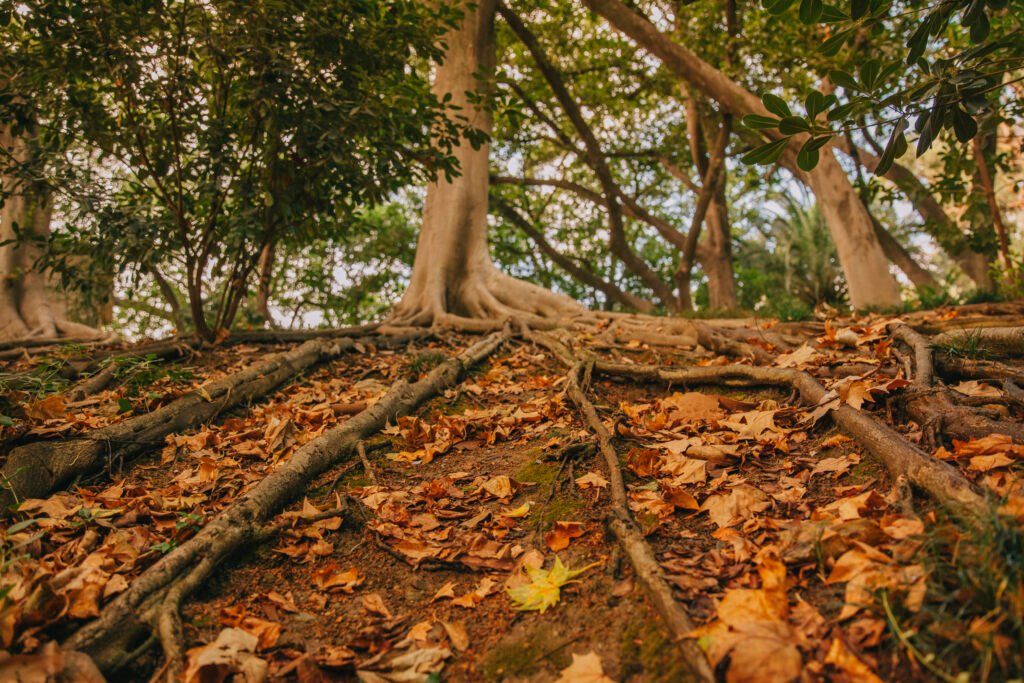
Yes, tree roots can affect building approvals in Melbourne, especially when proposed works are close to mature trees, protected trees, neighbouring trees or street trees. Roots are not only a garden issue. They can influence excavation, footings, driveways, drainage, retaining walls, service trenches, Tree Protection Zones and council permit conditions.
If a building project may damage important roots, council may request arborist advice, an Arborist Report, an Arboricultural Impact Assessment or a Tree Protection Plan before approving works. In some cases, design changes can protect the tree. In other cases, tree root pruning in Melbourne may be considered under arborist supervision. Tree root removal should never be treated as a simple digging job because roots support both tree health and stability.
Quick Summary
Tree roots can affect building approvals when they:
- Grow close to proposed footings
- Extend under driveways or paving
- Conflict with drainage or plumbing trenches
- Belong to a protected tree
- Belong to a neighbouring tree
- Sit inside a Tree Protection Zone
- Affect retaining wall construction
- Create concerns about tree stability
- Require root pruning or root investigation
- Need documentation for council approval
The earlier roots are assessed, the easier it is to avoid delays, redesigns and unnecessary tree removal.
Table of Contents
- Why Tree Roots Matter in Building Approvals
- Tree Protection Zones and Root Zones
- When Council May Request Arborist Advice
- Tree Root Pruning vs Tree Root Removal
- How Roots Affect Building Design
- Neighbouring Trees and Boundary Roots
- Common Mistakes to Avoid
- FAQs
- Summary
- Call Banyan Tree Care
1. Why Tree Roots Matter in Building Approvals
Tree roots matter because they keep trees alive and stable. When roots are cut, compacted, buried or damaged during construction, the tree may decline or become unsafe.
Building projects can affect roots through:
- Excavation
- Trenching
- Footing installation
- Driveway works
- Pool construction
- Drainage upgrades
- Sewer connections
- Retaining walls
- Demolition access
- Machinery movement
- Soil level changes
A tree may look healthy above ground while serious root damage is happening below ground. The problem may not appear until months or years later, when the tree develops canopy thinning, dead branches, fungal decay, leaning or branch failure.
This is why councils and planners often want root impacts assessed before work starts.
2. Tree Protection Zones and Root Zones
A Tree Protection Zone, often called a TPZ, is an area around a tree that should be protected during building works. It helps protect roots, soil, trunk and canopy.
A Structural Root Zone, or SRZ, is the area close to the trunk that is especially important for tree stability. Damage in this area can be more serious than minor root disturbance farther away.
An arborist may assess:
- Tree species
- Trunk diameter
- Canopy spread
- Tree health
- Root flare
- Visible surface roots
- Distance from proposed works
- Soil condition
- Construction access
- Excavation depth
- Likely root loss
These findings help determine whether the tree can be retained safely or whether the design needs adjustment.
3. When Council May Request Arborist Advice
Council may ask for arborist advice when building work is close to trees that are mature, protected, significant, native, neighbouring or covered by planning controls.
This may apply to:
- Renovations
- Extensions
- New homes
- Unit developments
- Subdivisions
- Driveway changes
- Retaining walls
- Pool installations
- Drainage works
- Demolition near trees
- Landscaping with excavation
Council may request:
- Arborist Report
- Arboricultural Impact Assessment
- Tree Protection Plan
- Root investigation
- Tree retention assessment
- Tree pruning recommendations
- Replacement planting advice
Professional tree services can help property owners understand what documentation is needed before construction begins.
4. Tree Root Pruning vs Tree Root Removal
Tree root Pruning in Melbourne should be done carefully and only when suitable. Not all roots can be cut safely.
Root pruning may be considered when:
- Minor roots conflict with works
- The tree is otherwise healthy
- The work is outside critical support areas
- The arborist can supervise the cutting
- The remaining root system can support the tree
- Council or project conditions allow it
Tree root removal becomes more concerning when large structural roots are affected. Removing major roots can reduce stability, create decay pathways and increase the risk of tree failure.
The safest approach is to inspect roots before cutting. Sometimes non-destructive digging, hand excavation or design changes can avoid the need for root removal.
5. How Roots Affect Building Design
Tree roots can influence where and how building works are carried out.
Design changes may include:
- Moving footings away from major roots
- Rerouting drainage lines
- Adjusting driveway alignment
- Using pier and beam footings
- Bridging over roots
- Avoiding trenching through root zones
- Using permeable paving
- Keeping retaining walls away from trunks
- Changing access routes for machinery
- Installing tree protection fencing
These changes may sound small, but they can help protect mature trees and reduce council concerns.
Good planning can also save money. It is usually cheaper to design around roots early than to redesign after council requests more information.
6. Neighbouring Trees and Boundary Roots
Neighbouring tree roots can also affect building approvals. Roots often cross property boundaries, especially from mature trees near fences.
Your project may affect a neighbour’s tree if:
- Excavation is near the boundary
- Fence works require deep post holes
- Drainage trenches cross root zones
- Retaining walls are close to the tree
- Machinery will compact soil near roots
- The canopy overhangs the work area
Damaging a neighbour’s tree can lead to disputes, liability concerns and council issues. An arborist can assess likely root spread and recommend safe construction methods before work begins.
This is especially important where a neighbouring tree provides significant canopy cover or is protected by council controls.
7. Common Mistakes to Avoid
Tree root issues often become expensive because they are left too late.
Avoid these mistakes:
- Starting excavation before arborist advice
- Assuming roots only grow near the trunk
- Cutting roots to make room for footings
- Ignoring neighbouring trees
- Treating root pruning as basic landscaping
- Installing services through major root zones
- Driving machinery over protected soil areas
- Raising soil levels around the trunk
- Removing roots without checking council rules
- Waiting until council rejects or delays plans
Root damage can affect tree health, project approval and site safety. Early assessment is the smarter option.
FAQs
1. Can tree roots delay building approval?
Yes. Tree roots can delay approval if they affect protected or neighbouring trees. Council may require arborist reports or tree protection plans. Delays usually occur when root impacts are identified late. Early arborist advice helps avoid redesigns and speeds up approval.
2. What is tree root pruning?
Tree root pruning is the controlled cutting of selected roots that conflict with construction or services. It must be assessed by an arborist, as incorrect cutting can weaken or destabilise a tree. It is especially sensitive near mature or protected trees.
3. Is tree root removal safe?
Tree root removal is only safe in limited cases. Small roots may be removed with minimal impact, but large structural roots can harm stability and health. An arborist should assess risks and may recommend alternatives like design changes or supervised pruning.
4. Do councils care about roots during construction?
Yes. Councils consider root impacts because they affect tree health and stability. They may require protection fencing, arborist supervision, or reports. These measures help prevent long-term tree damage during construction works.
5. Can I build near a mature tree?
Yes, if the design protects key roots and the tree remains stable. An arborist can assess root zones and recommend safe methods like pier footings, rerouting services, or adjusted excavation to reduce impact.
6. When should I call an arborist about tree roots?
Call an arborist before starting or submitting plans if trees are near construction works. Early advice helps identify root conflicts, avoid council delays, prevent unsafe cutting, and reduce the need for costly redesigns.
Summary
Tree roots can affect building approvals in Melbourne because they influence tree health, stability, council conditions, design options and construction methods. Roots may conflict with footings, trenches, driveways, retaining walls and underground services.
The safest approach is to involve an arborist early. Proper root assessment can help protect mature trees, support council applications, guide tree root pruning, avoid unnecessary tree root removal and reduce project delays.
Call Banyan Tree Care for Tree Root and Building Advice
If you are planning construction near trees, Banyan Tree Care can inspect the site and advise how tree roots may affect your project.
We provide tree root assessments, Arborist Reports, Arboricultural Impact Assessments, Tree Protection Plans, root zone advice, tree root pruning guidance, tree services, stump grinding and safe Tree Removal where required. Call Banyan Tree Care on 0432 277 627 to arrange a professional arborist assessment.