
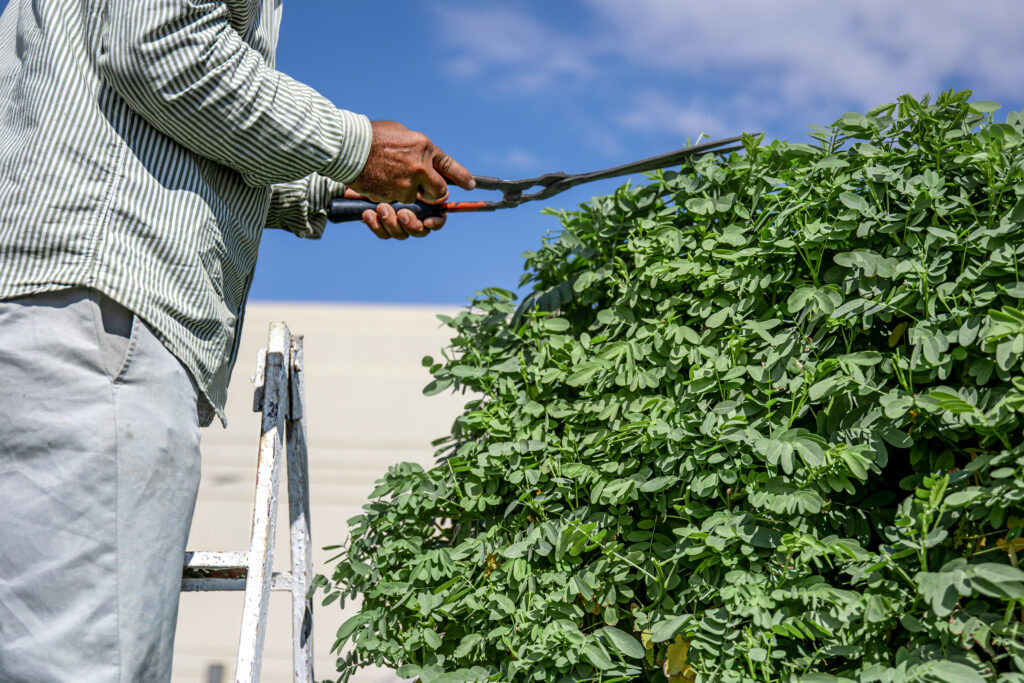
Early pruning helps shape the tree, encourages strong branch structure, reduces future safety risks, and promotes healthy growth. A young tree that is pruned correctly is far less likely to require major corrective work or Tree Removal Melbourne later in life. Qualified arborists Melbourne use professional pruning techniques to guide healthy development without placing unnecessary stress on the tree. This guide explains why young tree pruning matters, when it should be done, and how it helps create stronger, healthier trees for the future.
Quick Summary
Pruning young trees helps to:
- Develop a strong tree structure
- Reduce future branch failures
- Encourage healthy growth
- Remove weak or damaged branches
- Improve long-term tree health
- Reduce future maintenance costs
- Improve safety around homes and public spaces
- Increase the tree’s lifespan
Correct pruning during a tree’s early years often prevents expensive problems decades later.
Table of Contents
- Why Young Trees Need Pruning
- What Is Structural Pruning?
- The Best Time to Prune Young Trees
- Building a Strong Branch Structure
- Preventing Future Safety Problems
- Encouraging Healthy Growth
- Reducing Future Maintenance Costs
- Common Mistakes When Pruning Young Trees
- Why Professional Arborists Make a Difference
- Frequently Asked Questions
- Final Thoughts
Why Young Trees Need Pruning
Young trees are still developing their permanent structure.
Without proper guidance, they may develop:
- Weak branch attachments
- Multiple competing leaders
- Crossing branches
- Poor canopy balance
- Branches growing towards buildings
- Structural defects
These issues often become much harder and more expensive to correct as the tree matures.
Professional tree pruning Melbourne focuses on preventing these problems before they develop.
What Is Structural Pruning?
Structural pruning is the selective removal of branches to encourage strong, balanced growth.
The objective is to develop:
- A well-defined central leader where appropriate
- Strong branch attachments
- Balanced canopy growth
- Good branch spacing
- Long-term structural stability
Unlike tree lopping, structural pruning removes only the branches necessary to improve the tree’s future development.
The Best Time to Prune Young Trees
The ideal timing depends on:
- Tree species
- Age
- Growth rate
- Overall health
For many trees, pruning during dormancy or outside periods of extreme heat reduces stress and supports healthy recovery.
A qualified arborist Melbourne can recommend the most suitable pruning schedule for each species growing in Melbourne.
Building a Strong Branch Structure
One of the biggest advantages of early pruning is creating a tree that is naturally stronger.
Professional arborists remove or manage:
- Weak branch unions
- Competing leaders
- Poorly positioned branches
- Branches rubbing against each other
As the tree grows, these small corrections create a more stable structure that is better able to withstand strong winds and heavy canopies.
Preventing Future Safety Problems
Many hazardous trees develop defects that began when they were young.
Early pruning helps prevent:
- Heavy overextended limbs
- Weak branch attachments
- Large branches over roofs
- Poor weight distribution
- Branch failures during storms
This reduces the likelihood that the tree will require extensive corrective pruning or tree removal Melbourne later in life.
Encouraging Healthy Growth
Correct pruning allows the tree to direct its energy into healthy development.
Benefits include:
- Improved canopy shape
- Better airflow
- Increased sunlight penetration
- Reduced branch competition
- Stronger trunk development
Healthy growth during the early years often results in a healthier mature tree.
Reducing Future Maintenance Costs
Small pruning cuts on young trees heal much faster than large cuts on mature trees.
Early maintenance often prevents:
- Major structural pruning
- Emergency branch removal
- Storm damage repairs
- Expensive corrective work
Investing in professional pruning while the tree is young can significantly reduce long-term maintenance costs.
Improving Clearance Around Homes and Paths
Young trees often grow quickly.
Without management, branches may begin to interfere with:
- Rooflines
- Driveways
- Footpaths
- Fences
- Signs
- Powerlines
Selective pruning encourages growth away from these structures while maintaining the tree’s natural form.
Supporting Long-Term Tree Health
Pruning isn’t only about appearance.
Professional arborist services Melbourne help improve long-term tree health by:
- Removing damaged branches
- Reducing branch competition
- Preventing bark inclusions
- Encouraging balanced growth
- Lowering the risk of disease entering through broken limbs
Healthy trees are generally more resilient to drought, pests, disease, and storms.
When Young Trees Should Not Be Pruned
Not every young tree requires immediate pruning.
Excessive pruning can:
- Slow growth
- Reduce energy reserves
- Create unnecessary wounds
- Delay establishment
Professional arborists prune only when there is a clear benefit to the tree’s future development.
The goal is to guide growth, not reshape the tree unnecessarily.
Australian Standards and Professional Best Practice
Qualified arborists carry out pruning in accordance with recognised Australian Standards where appropriate.
AS 4373 – Pruning of Amenity Trees
This standard provides guidance on:
- Structural pruning
- Correct pruning cuts
- Tree preservation
- Long-term tree health
Following accepted arboricultural practices helps ensure young trees develop safely and naturally.
Real-World Example
A homeowner planted several young gum trees along the boundary of a new property in Melbourne. Within a few years, two trees had developed multiple competing leaders and several branches were crossing through the centre of the canopy.
During a routine inspection, Banyan Tree Care carried out selective Tree Pruning Melbourne to establish a stronger central structure and improve branch spacing. The work required only small pruning cuts because the trees were still young. As they matured, the trees developed balanced canopies and stronger branch attachments, reducing the likelihood of future storm damage or major corrective pruning.
On another property, a fast-growing ornamental tree had never been pruned. By the time the owner sought advice, several large limbs extended over the roof and weak branch unions had already formed. Correcting these defects required much more extensive pruning than would have been necessary during the tree’s early years.
These examples show how early intervention can shape the future health and safety of a tree while reducing long-term maintenance costs.
Common Mistakes Homeowners Make
Young tree pruning is often misunderstood.
Common mistakes include:
- Waiting until the tree becomes too large.
- Removing too many branches at once.
- Topping young trees.
- Ignoring competing leaders.
- Leaving broken branches after storms.
- Attempting major pruning without professional advice.
Small mistakes made early can affect the structure of the tree for decades.
Frequently Asked Questions
1. Why should young trees be pruned?
Pruning helps develop a strong structure, encourages healthy growth, and reduces future safety risks.
2. Is pruning necessary if the tree looks healthy?
Yes. Structural pruning focuses on future development rather than correcting existing problems.
3. Can pruning make a young tree stronger?
Yes. Proper pruning encourages balanced growth and stronger branch attachments that improve long-term stability.
4. How often should young trees be pruned?
The frequency depends on the species, age, and growth rate. A qualified arborist can recommend an appropriate schedule.
5. Is tree lopping suitable for young trees?
No. Tree lopping can damage young trees and create long-term structural problems. Professional pruning is the preferred approach.
6. Will pruning slow the tree’s growth?
Correct pruning generally improves healthy development rather than slowing growth. Over-pruning, however, can stress the tree.
7. Can early pruning reduce storm damage?
Yes. Strong branch structure and balanced canopy development improve a tree’s ability to withstand severe weather.
8. Should damaged branches be removed from young trees?
Yes. Broken or damaged branches should be pruned correctly to support healthy healing and reduce the risk of disease.
9. Can young trees still require Tree Risk Assessments?
Although less common than with mature trees, young trees may require assessment if they have been damaged, planted in unsuitable locations, or show signs of structural defects.
10. Who should prune young trees?
A qualified arborist Melbourne has the knowledge to prune young trees correctly, encouraging healthy development while preserving their natural form.
Final Thoughts
The early years of a tree’s life play a major role in determining how healthy, stable, and safe it will become. Professional pruning helps establish strong branch structure, encourages balanced growth, reduces future hazards, and often prevents expensive corrective work later in the tree’s life. By investing in proper pruning while a tree is young, homeowners can enjoy healthier trees that provide shade, beauty, and value for decades.
At Banyan Tree Care, we provide expert tree pruning Melbourne, Arborist Services Melbourne, Tree Risk Assessments, Arborist Reports, and tree removal Melbourne where necessary. Our experienced arborists focus on helping young trees develop into safe, healthy, long-lived assets that enhance your property and contribute to Melbourne’s urban forest. If you’ve recently planted trees or have young trees that would benefit from professional guidance, contact Banyan Tree Care on 0432 277 627. Early pruning is one of the best investments you can make in the long-term health and safety of your trees.