
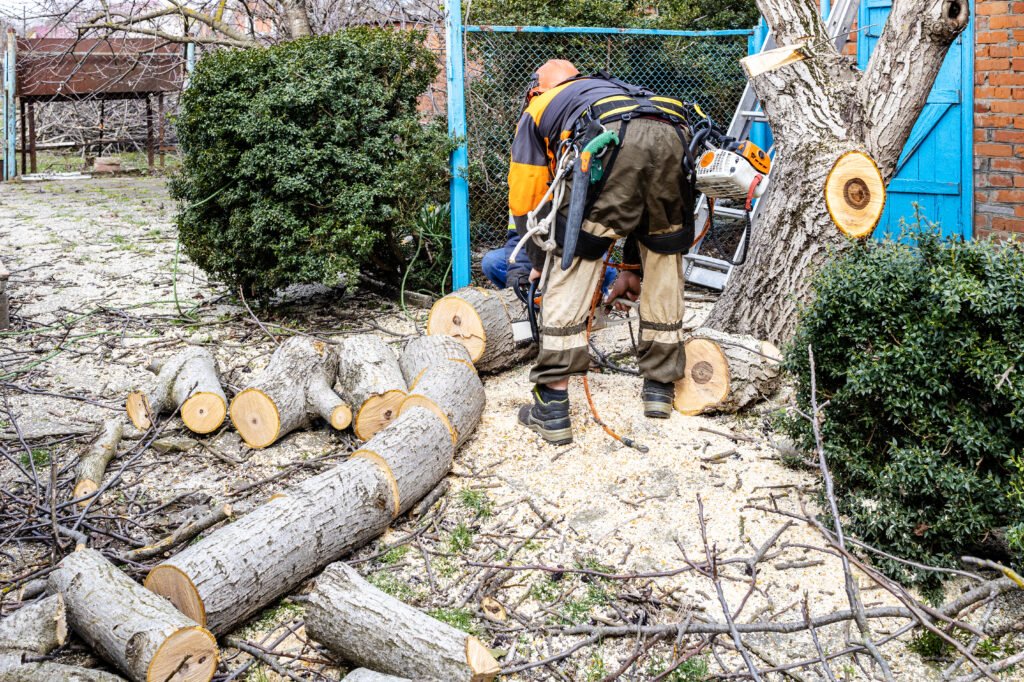
Early tree surgery is usually cheaper than emergency tree removal because problems can be inspected, planned and managed before they become dangerous. A weak limb, decayed branch, split union, compacted root zone or storm-damaged canopy may be corrected with pruning, bracing, deadwood removal or monitoring. Once the tree fails, the job often becomes urgent, risky and more expensive.
In Melbourne, emergency tree work often involves fallen limbs, blocked driveways, damaged roofs, broken fences, unstable trunks, storm conditions and difficult access. These jobs may require urgent attendance, extra crew, specialist equipment, careful rigging and faster waste removal. Early arborist advice helps reduce the chance of that happening.
Quick Summary
Early tree surgery can save money by helping avoid:
- Emergency callout costs
- Roof, fence or car damage
- Large fallen limb removal
- Urgent hazardous tree work
- After-hours attendance
- Extra equipment costs
- Insurance stress
- Council complications
- Full tree removal where pruning may have been enough
- Stump grinding after unplanned removal
- Loss of mature shade and canopy value
The best time to deal with a tree problem is usually before it becomes urgent.
Table of Contents
- What Is Early Tree Surgery?
- Why Emergency Tree Removal Costs More
- Problems That Can Be Managed Early
- How Arborists Reduce Future Risk
- When Early Pruning Is Better Than Removal
- The Hidden Costs of Waiting
- Common Mistakes to Avoid
- FAQs
- Summary
- Call Banyan Tree Care
1. What Is Early Tree Surgery?
Tree surgery refers to professional work carried out to improve a tree’s health, structure, safety or clearance. It may include pruning, deadwood removal, canopy reduction, weight reduction, storm damage repair, branch removal, root zone care or structural support recommendations.
Early tree surgery is work done before the tree becomes an emergency.
It may involve:
- Removing dead branches
- Reducing heavy limbs
- Pruning damaged sections
- Improving branch structure
- Removing rubbing or crossing branches
- Cleaning up storm-affected limbs
- Managing canopy clearance
- Inspecting decay or cracks
- Reducing branch weight over buildings
- Monitoring defects over time
The aim is not to cut more than necessary. The aim is to manage risk while keeping the tree healthy where possible.
2. Why Emergency Tree Removal Costs More
Emergency Tree Removal is usually more expensive because the job is more dangerous and less predictable.
Emergency work may involve:
- Fallen branches on roofs
- Trees blocking driveways
- Unstable trunks
- Storm-damaged canopies
- Split trees
- Hanging limbs
- Limited access
- Wet or windy conditions
- Urgent crew scheduling
- Damage control around structures
When a tree or limb has already failed, the crew often has less control over the situation. Timber may be under tension, leaning against a building, caught in another tree, or sitting on a fence or car.
This can require more time, more equipment and more care than planned pruning.
A scheduled job can be assessed calmly. An emergency job often starts with hazard control.
3. Problems That Can Be Managed Early
Many emergency tree situations show warning signs first.
Early inspection may identify:
- Large deadwood
- Cracked branches
- Weak branch unions
- Fungal growth
- Canopy imbalance
- Heavy overextended limbs
- Storm-damaged branches
- Root disturbance
- Soil movement
- Decay pockets
- Poor previous pruning cuts
- Lean changes
- Branches rubbing on roofs
- Limbs over driveways or outdoor areas
Not every defect means the tree must be removed. Some issues can be managed with targeted pruning, crown reduction, branch weight reduction or ongoing inspection.
The earlier these problems are found, the more options you usually have.
4. How Arborists Reduce Future Risk
A qualified arborist does not simply cut branches at random. They assess the tree’s structure, health, site conditions and risk to nearby targets.
An arborist may check:
- Tree species and growth habit
- Canopy density
- Deadwood
- Branch unions
- Trunk defects
- Fungal activity
- Root condition
- Soil compaction
- Wind exposure
- Nearby buildings, cars and fences
- Areas where people regularly walk or sit
Based on this inspection, the arborist may recommend pruning, monitoring, cabling, bracing, soil care, Tree Risk Assessment or tree removal if the risk cannot be managed.
Good tree surgery reduces the chance of failure without over-pruning the tree.
5. When Early Pruning Is Better Than Removal
Early pruning may be enough when the tree is generally healthy but has specific defects or clearance issues.
Pruning may help when:
- Dead branches are present
- One limb is too heavy
- Branches are too close to a roof
- Storm damage is minor
- The canopy is unbalanced
- Low branches affect access
- A weak section can be reduced
- Fruit or seed litter needs managing
- Branches are rubbing against structures
Correct pruning can extend the useful life of a tree and reduce the chance of future emergency work.
This is often cheaper than removing the whole tree, grinding the stump, repairing damage and replacing lost shade.
However, if the tree has severe decay, root failure, major trunk cracks or repeated large limb failure, removal may be safer.
6. The Hidden Costs of Waiting
The cost of waiting is not only the tree work itself.
Delaying action can lead to:
- Roof repairs
- Fence repairs
- Gutter damage
- Broken sheds
- Car damage
- Blocked access
- Insurance claims
- Garden damage
- Neighbour disputes
- Emergency after-hours costs
- Loss of mature canopy
- Council permit stress
- Higher removal complexity
A branch removed safely during a planned visit may be straightforward. The same branch after it falls on a roof becomes a more complicated job involving safety, damage control and cleanup.
Early tree care gives you more control over timing, cost and outcome.
7. Common Mistakes to Avoid
Many homeowners wait because the tree still looks green. Green leaves do not always mean the tree is structurally safe.
Avoid these mistakes:
- Ignoring dead branches over roofs
- Waiting after storm damage
- Assuming cracks will not worsen
- Cutting large limbs yourself
- Using harsh lopping instead of proper pruning
- Ignoring fungal growth near the base
- Leaving hanging branches in the canopy
- Parking under a tree with visible defects
- Delaying inspection after a branch drops
- Choosing the cheapest quick fix
Tree problems are usually cheaper to manage when they are still small, controlled and planned.
FAQs
1. What is early tree surgery?
Early tree surgery is professional tree work carried out before a problem becomes urgent. It may include pruning, deadwood removal, canopy reduction, weight reduction, storm damage cleanup, structural pruning or root zone advice. The goal is to improve safety, structure and tree health before branches fail or the whole tree becomes hazardous. Early work is usually easier to plan, safer to complete and cheaper than waiting until emergency removal is required.
2. Why is emergency tree removal more expensive?
Emergency tree removal costs more because the work is usually riskier, less predictable and more urgent. Fallen limbs may be resting on roofs, fences, cars or powerlines. Trees may be unstable, split or storm damaged. Crews may need urgent scheduling, extra equipment, careful rigging and more time to prevent further damage. Planned pruning can often be completed under safer conditions, while emergency work begins with controlling immediate hazards.
3. Can pruning prevent emergency tree removal?
Pruning can reduce the chance of some emergency situations, especially when deadwood, heavy limbs, cracked branches or poor structure are identified early. It cannot prevent every storm-related failure, but it can reduce known risks around homes, driveways and outdoor areas. Correct pruning should be targeted and based on arborist advice. Over-pruning or lopping can weaken trees and increase future problems rather than reduce them.
4. How often should trees be checked?
Mature trees, large gum trees and trees near buildings should be checked periodically, especially after storms, construction work or visible changes. Trees with dead branches, cracks, fungi, leaning, canopy thinning or previous limb failure should be inspected sooner. There is no single schedule for every tree. The right timing depends on species, age, condition, location and risk. An arborist can recommend a suitable inspection interval.
5. Is early tree surgery always cheaper than removal?
Not always in every single case, but early tree surgery is often cheaper than emergency removal because the work can be planned. If the tree is already severely decayed, unstable or unsafe, removal may still be required. The saving comes from identifying issues before they cause damage or become urgent. A small pruning job today may prevent a larger removal job, property repairs and cleanup costs later.
6. When should I call an arborist urgently?
Call an arborist urgently if a tree has dropped a large limb, split, started leaning suddenly, developed major cracks, shown root movement, or has branches hanging over a roof, driveway or public area. You should also seek urgent help after storm damage if the tree looks unstable. Keep people away from the area until it is assessed. Do not try to cut large fallen or hanging limbs yourself.
Summary
Early tree surgery is often cheaper than emergency tree removal because it allows problems to be found and managed before they become dangerous. Planned pruning, deadwood removal, canopy reduction and structural assessment can reduce known risks around homes, driveways, fences and outdoor areas.
Waiting can turn a manageable defect into a fallen limb, damaged roof, blocked access or urgent hazardous tree removal. The best approach is to arrange an arborist inspection when warning signs first appear, not after the tree has already failed.
Call Banyan Tree Care for Early Tree Surgery in Melbourne
If you are concerned about dead branches, heavy limbs, storm damage or tree safety, Banyan Tree Care can inspect your trees and recommend the right action.
We provide tree pruning, tree trimming, deadwood removal, canopy reduction, Tree Risk Assessments, Arborist Reports, storm damage work, stump grinding and safe tree removal across Melbourne. Call Banyan Tree Care on 0432 277 627 to arrange a professional arborist assessment.