
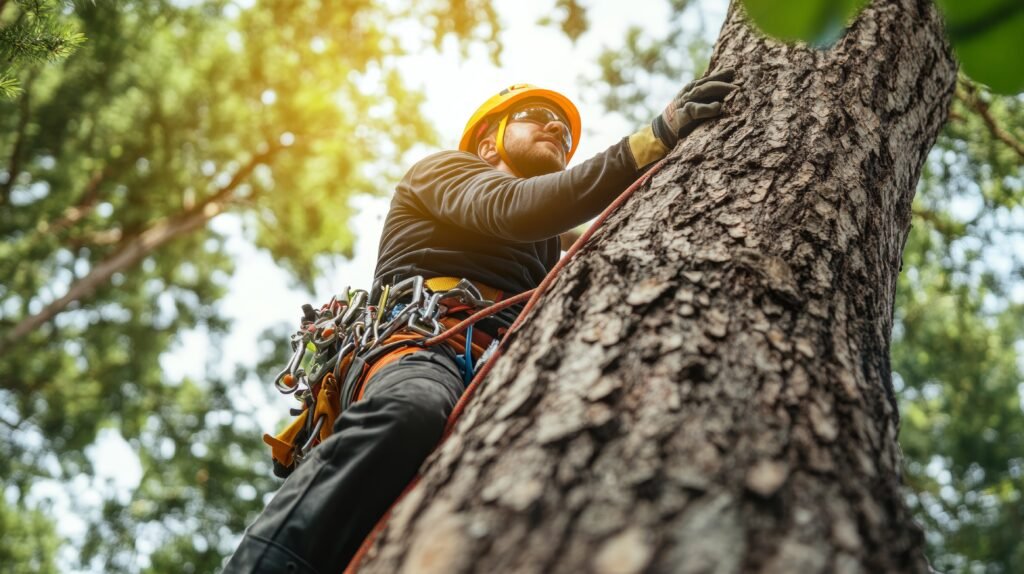
If your builder says a tree must be removed, don’t assume that is automatically correct. Builders understand construction requirements such as access, excavation, footings and timelines, but tree retention should be assessed by a Qualified Arborist. While some trees genuinely conflict with building works, others can often be retained with design adjustments or proper protection measures.
In Melbourne, mature trees, boundary trees, native vegetation and protected trees can significantly impact renovation and development projects. Before agreeing to removal, it is important to confirm whether the tree is actually unsafe, whether roots will be affected, whether council approval is required, and whether there are practical ways to protect the tree.
Quick Summary
A builder may be right that a tree is in the way, but an arborist should confirm whether removal is necessary.
An arborist assesses:
- Tree health and structure
- Root system and Tree Protection Zone
- Structural Root Zone impacts
- Excavation and footing conflicts
- Driveway and access constraints
- Service trench impacts
- Risk to buildings and people
- Council permit requirements
- Retention and protection options
Tree removal should always be based on evidence, not convenience.
1. Why Builders Often Recommend Tree Removal
Builders often view trees as obstacles to construction efficiency. A tree may interfere with excavation, scaffolding, machinery access, drainage, concrete pours, or site storage. Roots can also conflict with footings, retaining walls, plumbing trenches and underground services.
Common reasons builders suggest removal include:
- Tree is close to the building footprint
- Roots may interfere with excavation
- Limited access for machinery
- Branches obstruct scaffolding or works
- Services must pass through the root zone
- Driveway or garage layout is restricted
- Site space is limited
- Risk of delays or damage during construction
While these concerns are valid, they do not always mean removal is the only option.
2. Why an Arborist Should Confirm the Decision
An arborist evaluates the tree from a biological and risk perspective, rather than a construction-only viewpoint. This includes long-term health, structural stability, root protection and compliance requirements.
An arborist will typically assess:
- Species and mature size
- Canopy condition and health
- Trunk defects or decay
- Root flare and visible root structure
- Soil condition and compaction risk
- Distance from proposed works
- Likely excavation impacts
- Tree Protection Zone (TPZ)
- Structural Root Zone (SRZ)
- Risk to people, property and infrastructure
This independent assessment helps determine whether the tree can realistically survive construction or whether removal is justified.
Both builder and arborist input is valuable, but removal decisions should not be made without arboricultural advice.
3. When Tree Removal May Be Necessary
In some cases, the builder’s recommendation is correct and removal is unavoidable.
Tree removal may be justified when:
- The trunk sits within the approved building footprint
- Excavation would remove major structural roots
- The tree is unstable, decayed or in decline
- Root protection is not possible
- The tree is too close to footings or retaining walls
- Construction would leave the tree unsafe
- No viable design alternatives exist
- The tree has low retention value
If the tree is protected, council approval may still be required. An Arborist Report can help support the justification for removal.
4. When a Tree Can Often Be Retained
Many trees can be successfully retained with proper planning and protection.
Retention is often possible when:
- The tree is healthy and structurally sound
- Root zones can be protected
- Excavation avoids major roots
- Access can be managed carefully
- Soil compaction is controlled
- Minor pruning can provide clearance
- The design can be adjusted slightly
- The tree has high landscape value
Early arborist involvement is key. Once construction plans are finalised, options to protect trees become more limited.
Retention may require Tree Protection Fencing, supervised excavation, or modified construction methods.
5. Council Approval and Protected Trees
In Melbourne, tree removal is not always a simple decision between builder and homeowner. Many trees are protected under local laws, planning overlays, heritage controls or native vegetation regulations.
This may apply to:
- Front yard trees
- Boundary trees
- Significant or large mature trees
- Native vegetation
- Trees on development sites
- Neighbouring trees affected by works
- Trees under planning overlays
A builder cannot override council requirements. An arborist can help determine whether approval is required and provide supporting documentation.
Removing a protected tree without approval can result in fines, replacement planting requirements and project delays.
6. Design Options That May Save a Tree
Tree removal is not always the only solution. In many cases, design adjustments can allow both construction and tree retention.
Possible solutions include:
- Adjusting building footprint location
- Relocating driveways or access points
- Using pier and beam footings
- Bridging over important roots
- Rerouting underground services
- Hand excavation near root zones
- Installing permeable paving
- Avoiding storage under the canopy
- Tree protection fencing
- Selective pruning for clearance
- Arborist supervision during excavation
A consulting arborist can work with builders, engineers and designers to find practical solutions that protect trees while allowing construction to proceed.
7. Common Mistakes to Avoid
Pressure from construction timelines can lead to rushed decisions. This often results in unnecessary tree loss or compliance issues.
Avoid:
- Removing trees before checking council rules
- Relying only on the builder’s opinion
- Starting excavation before arborist advice
- Cutting roots without guidance
- Ignoring Tree Protection Zones
- Allowing machinery near root systems
- Storing materials under trees
- Over-pruning or lopping for clearance
- Overlooking neighbouring tree impacts
- Assuming healthy trees will survive root damage
Early arborist involvement prevents costly mistakes.
FAQs
1. Can a builder decide a tree must be removed?
A builder can identify construction conflicts, but they should not be the sole decision-maker. A qualified arborist should assess whether removal is necessary, especially for mature or protected trees. Arborists evaluate health, structure, root systems and survival likelihood under construction conditions.
2. What if the tree is in the way of the extension?
If a trunk sits within the building footprint, removal may be required. However, council approval may still apply if the tree is protected. An arborist can assess the tree, explore alternatives and prepare documentation if removal is justified.
3. Can trees survive nearby construction?
Yes, many trees can survive if properly protected. Success depends on planning, root protection, controlled excavation, and minimising soil compaction. Tree Protection Zones and supervision significantly improve survival outcomes.
4. Do I need council approval if the builder says remove it?
Possibly. Many trees in Melbourne are protected by planning rules or local laws. Builder advice does not override council requirements. Always confirm whether approval is needed before removal.
5. What is a Tree Protection Zone?
A Tree Protection Zone is the area around a tree that must be protected during construction to prevent root, soil and canopy damage. An arborist calculates this zone and recommends protection measures to improve tree survival.
6. Who should I contact first?
If planning is still underway, contact an arborist early. If a builder has already recommended removal, get an independent arborist assessment before proceeding. This helps avoid unnecessary removal and potential council issues.
Summary
A builder may be correct that a tree interferes with construction, but removal should always be confirmed by a qualified arborist. Builders focus on construction practicality, while arborists assess tree health, root systems, risk and protection options.
Some trees must be removed due to structural or safety conflicts. Others can be retained through careful planning, design changes and proper protection.
Before removing any tree for construction, seek professional arborist advice to ensure the decision is necessary, compliant and well-informed.
Call Banyan Tree Care
If your builder says a tree has to go, Banyan Tree Care can provide an independent arborist assessment.
We offer Arborist Inspections, Arborist Reports, Tree Protection Plans, Tree Risk Assessments, root zone analysis, construction supervision, pruning, stump grinding and safe tree removal across Melbourne. Call Banyan Tree Care on 0432 277 627 to arrange an assessment.