
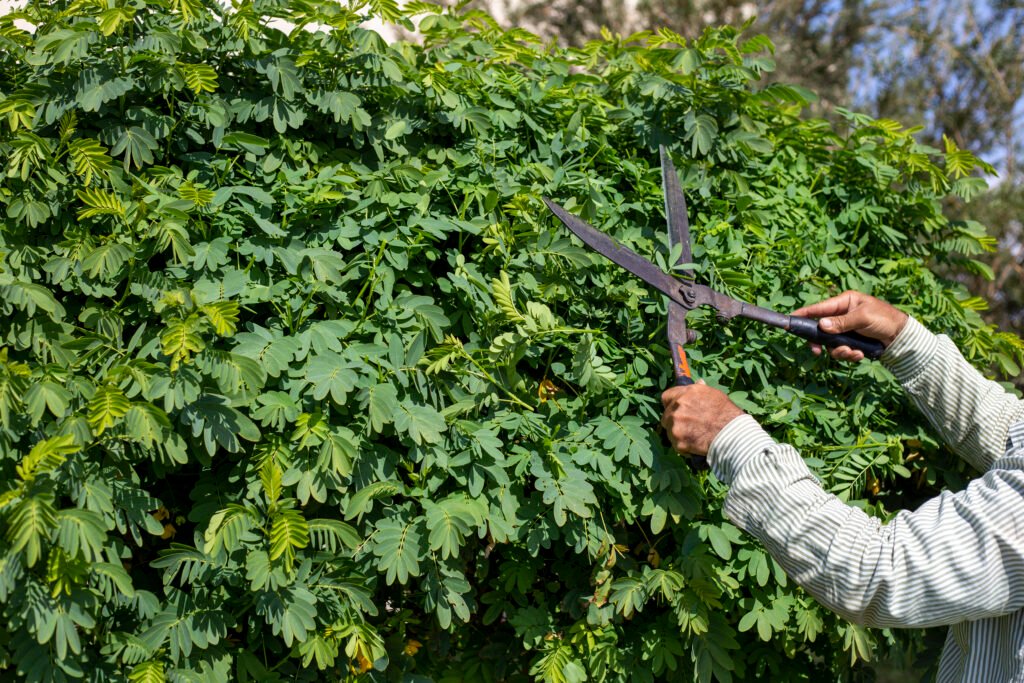
The trees that usually require the most Tree Pruning and tree trimming are fast-growing ornamentals, mature gum trees, hedging species, fruit trees, palms, boundary trees, and trees planted too close to homes, driveways, fences or powerlines. The right pruning schedule depends on species, age, location, canopy structure and use in the landscape. Professional pruning keeps trees safer, healthier, well-shaped and easier to manage long term.
Quick Summary
Trees that often need regular pruning in Melbourne include:
- Gum trees and eucalyptus trees
- Lilly pilly hedges and screening trees
- Pittosporum and other dense boundary trees
- Ornamental pears
- Plane trees
- Fruit trees
- Palms
- Fast-growing shade trees
- Trees close to roofs, gutters and fences
- Trees with heavy, low or overextended limbs
The key is not heavy pruning for every tree, but targeted pruning at the right time for the right reason.
Table of Contents
- Why Some Trees Need More Pruning
- Gum Trees and Eucalyptus Trees
- Lilly Pilly and Screening Trees
- Ornamental Pears and Street Trees
- Fruit Trees
- Palms
- Trees Growing Too Close to Structures
- How Often Should Trees Be Pruned?
- FAQs
- Summary
- Call Banyan Tree Care
1. Why Some Trees Need More Pruning
Trees grow differently. Some stay open and balanced, while others grow fast, become dense, form weak unions or outgrow their space.
More frequent pruning is often needed due to:
- Fast growth
- Dense foliage
- Weak branch structure
- Deadwood buildup
- Low or heavy limbs
- Poor past pruning
- Tight planting spaces
- Building clearance issues
- Neighbour impacts
- Storm risk
In Melbourne, many issues come from trees planted too close to homes, fences, driveways and services. Even healthy trees may need management in confined spaces.
Good Tree Pruning Melbourne focuses on safety, structure and clearance, not harsh cutting or unnecessary lopping.
2. Gum Trees and Eucalyptus Trees
Gum trees and eucalyptus are iconic but often require careful, selective pruning in urban areas.
They may need:
- Deadwood removal
- Storm-damaged limb removal
- Reduction of heavy branches
- Roof and driveway clearance
- Weight reduction on limbs
- Removal of cracked or hanging branches
The goal is risk reduction, not reshaping. Over-pruning can stress the tree and lead to weak regrowth.
Professional arborists usually focus on selective cuts, improving balance, or monitoring when no immediate work is required.
3. Lilly Pilly and Screening Trees
Lilly pillies are popular for privacy but grow quickly and need regular trimming.
Without maintenance they can become:
- Overgrown in height and width
- Too dense and heavy
- Patchy inside
- Hard to shape evenly
- Encroaching on fences and paths
Regular tree trimming Melbourne keeps them compact and healthy. Light, frequent trimming is better than heavy cutting after long neglect.
Other common screening trees include pittosporum, viburnum, photinia and conifers. These also benefit from consistent maintenance to prevent overcrowding and access issues.
4. Ornamental Pears and Street Trees
Ornamental pears are widely planted in Melbourne and can develop dense upright growth.
They may need pruning to:
- Improve branch spacing
- Remove crossing limbs
- Correct narrow branch angles
- Maintain path clearance
- Reduce canopy congestion
- Improve young tree structure
Early structural pruning is important to prevent future crowding and weak unions.
Street and front-yard trees may also need crown lifting for pedestrian and driveway clearance. This should be done gradually to maintain balance.
5. Fruit Trees
Fruit trees often require the most regular pruning because they are managed for both health and production.
Common types include:
- Lemon and orange trees
- Apple and pear trees
- Plum, peach and apricot trees
- Fig and olive trees
Pruning helps:
- Improve fruit quality
- Increase sunlight
- Reduce disease
- Remove dead wood
- Control height
- Improve airflow
- Encourage productive growth
Each fruit type requires different timing and technique. Incorrect pruning can reduce yield or damage flowering wood.
The goal is a productive, open and manageable canopy without removing excessive growth.
6. Palms
Palms require a different pruning approach because they grow from a single central point.
Pruning usually includes:
- Removing dead fronds
- Clearing hanging fronds
- Removing fruit stalks
- Roof and path clearance
- Reducing mess near pools
Over-pruning is a common mistake and can weaken the palm by removing too many healthy fronds.
Palm trimming is often needed in pools, courtyards and commercial areas due to falling debris. Tall palms should always be handled by professionals due to safety risks.
7. Trees Growing Too Close to Structures
Sometimes the issue is location, not species.
Trees too close to structures may need pruning for:
- Roof and gutter clearance
- Solar panel access
- Window safety
- Fence protection
- Garage and driveway access
- Pathway clearance
- Pool safety
- Neighbour boundaries
These trees may require crown lifting, canopy reduction or regular trimming.
Fast-growing trees in small yards are most affected. In some cases, pruning can manage the issue; in others, replacement planting may be more suitable long term.
8. How Often Should Trees Be Pruned?
There is no single schedule for all trees.
General guide:
- Hedges: 2–4 times per year
- Fruit trees: usually annually
- Young trees: every 1–3 years
- Mature shade trees: every few years
- Gum trees: inspect regularly, prune when needed
- Palms: 1–2 times per year depending on species
Frequency depends on growth rate, health, risk and location.
Regular light maintenance is better than waiting for major overgrowth, which often leads to heavier and more expensive pruning.
FAQs
1. Which trees need the most pruning in Melbourne?
Fast-growing screening trees, fruit trees, palms, ornamental pears and mature gum trees often need the most pruning. Trees near homes, fences and driveways also require regular maintenance. Needs depend on growth rate, structure and location, and an arborist can recommend a suitable plan.
2. Do gum trees need regular pruning?
Gum trees usually don’t need frequent pruning but should be inspected, especially near homes. Work may include deadwood removal, storm damage cleanup and selective clearance pruning. Heavy pruning should be avoided as it can stress the tree and cause weak regrowth.
3. How often should hedges and screening trees be trimmed?
Most hedges need trimming 2–4 times per year depending on growth. Lilly pilly and similar species respond best to light, regular trimming, which keeps them dense and healthy. Overgrown hedges are best corrected gradually rather than cut back hard.
4. Do fruit trees need pruning every year?
Most fruit trees benefit from annual pruning, but methods vary by species. Proper pruning improves light, airflow and fruit quality. Incorrect timing or heavy cuts can reduce yield or damage productive growth.
5. Is tree trimming the same as tree pruning?
Tree trimming usually refers to shaping and maintenance, especially hedges. Tree pruning is more technical and includes structural work, safety pruning and canopy management. Both terms overlap, but pruning is more precise and health-focused.
6. Can too much pruning damage a tree?
Yes. Over-pruning can stress trees, reduce energy, cause sunburn, trigger weak regrowth and increase decay risk. Mature trees are especially vulnerable. Good pruning removes only what is necessary for safety, health or clearance.
Summary
The trees that need the most pruning in Melbourne include fast-growing species, screening trees, fruit trees, palms, ornamental pears, mature gum trees and trees planted too close to structures. Some require regular trimming, while others need selective pruning for safety and structure.
The best approach depends on species, age, condition and location. Regular maintenance is better than heavy corrective pruning after neglect, and professional advice helps protect both trees and property.
Call Banyan Tree Care for Tree Pruning in Melbourne
If your trees are overgrown, touching structures, blocking access or need seasonal maintenance, Banyan Tree Care can help.
We provide professional tree pruning, Tree Trimming Service in Melbourne, crown reduction, crown thinning, deadwood removal, hedge trimming, palm trimming, fruit tree pruning and structural pruning for residential and commercial properties. Contact Banyan Tree Care on 0432 277 627 to arrange a professional pruning assessment.