
Tree removal is one of the most misunderstood areas of arboriculture. Many homeowners believe that every large tree is dangerous, that healthy trees never fail, or that tree lopping is the same as professional tree care. These misconceptions often lead to unnecessary Tree Removal Melbourne, unsafe practices, or expensive property damage. The reality is that every tree should be assessed individually by a qualified arborist Melbourne before any major decision is made. In this guide, we’ll separate fact from fiction by explaining the most common myths about tree removal and what professional arborists actually look for when assessing a tree.
Quick Summary
Some of the biggest myths about tree removal include:
- Every large tree is dangerous.
- Healthy-looking trees can’t fail.
- Tree lopping is the same as tree pruning.
- Removing a tree is always the safest option.
- Tree roots always damage house foundations.
- Storm-damaged trees always need removal.
- Tree removal doesn’t require council approval.
- DIY tree removal saves money.
- Stumps will disappear naturally.
- Arborists only remove trees.
Understanding the facts helps you make better decisions about your trees and avoid unnecessary costs.
Table of Contents
- Why Tree Removal Is Often Misunderstood
- Myth 1: Every Large Tree Is Dangerous
- Myth 2: Healthy Trees Never Fail
- Myth 3: Tree Lopping Is the Same as Professional Pruning
- Myth 4: Tree Removal Is Always the Safest Option
- Myth 5: Tree Roots Always Damage Foundations
- Myth 6: Storm-Damaged Trees Must Be Removed
- Myth 7: Council Approval Is Never Required
- Myth 8: DIY Tree Removal Saves Money
- Myth 9: Tree Stumps Don’t Need Attention
- Myth 10: Arborists Only Remove Trees
- Frequently Asked Questions
- Final Thoughts
Why Tree Removal Is Often Misunderstood
Trees are living organisms that change over time.
Unlike fences or buildings, no two trees are identical.
Factors such as:
- Species
- Age
- Health
- Root condition
- Structural integrity
- Soil conditions
- Surrounding environment
…all influence whether a tree requires maintenance, monitoring, or tree removal Melbourne.
Professional arborists assess all of these factors before making recommendations.
Myth 1: Every Large Tree Is Dangerous
Large trees often worry homeowners simply because of their size.
In reality, size alone doesn’t determine risk.
Many mature trees remain healthy and structurally stable for decades.
A qualified arborist Melbourne looks at:
- Tree health
- Structural defects
- Root stability
- Surrounding targets
- Likelihood of failure
Some small trees present a greater risk than much larger healthy specimens.
Myth 2: Healthy Trees Never Fail
One of the biggest misconceptions is that green leaves mean a tree is safe.
Unfortunately, hidden defects may exist inside:
- The trunk
- Major branches
- The root system
Trees with full canopies can still have:
- Internal decay
- Root rot
- Weak branch unions
- Hollow trunks
Professional Tree Risk Assessments identify these hidden issues before failure occurs.
Myth 3: Tree Lopping Is the Same as Professional Pruning
Tree lopping and arboricultural pruning are very different.
Professional tree pruning Melbourne focuses on:
- Tree health
- Structural integrity
- Long-term growth
- Risk reduction
Aggressive tree lopping often:
- Creates weak regrowth
- Encourages decay
- Shortens tree life
- Increases future maintenance
Qualified arborists follow recognised Australian Standards when pruning trees.
Myth 4: Tree Removal Is Always the Safest Option
Many people believe removing the tree eliminates every problem.
However, removal should usually be the last option.
Professional arborist services Melbourne often recommend:
- Structural pruning
- Crown thinning
- Crown reduction
- Cabling
- Bracing
- Ongoing monitoring
These treatments frequently reduce risk while preserving valuable mature trees.
Myth 5: Tree Roots Always Damage Foundations
Tree roots are often blamed for cracking buildings.
While roots can affect structures in certain situations, they don’t automatically cause foundation damage.
Factors that influence root behaviour include:
- Tree species
- Soil type
- Building design
- Moisture levels
- Existing structural conditions
A professional assessment is needed before assuming a tree is responsible.
Myth 6: Storm-Damaged Trees Must Be Removed
Storm damage doesn’t always mean a tree is beyond saving.
Many trees recover successfully after:
- Structural pruning
- Deadwood removal
- Crown reduction
- Cabling
- Ongoing monitoring
A qualified arborist assesses whether the structural integrity has been compromised before recommending tree removal Melbourne.
Myth 7: Council Approval Is Never Required
Many property owners assume they can remove any tree on private land.
In Melbourne, council approval may be required depending on:
- Tree size
- Species
- Overlay controls
- Local planning schemes
Requirements vary between municipalities.
If approval is needed, an Arborist Report may support the application.
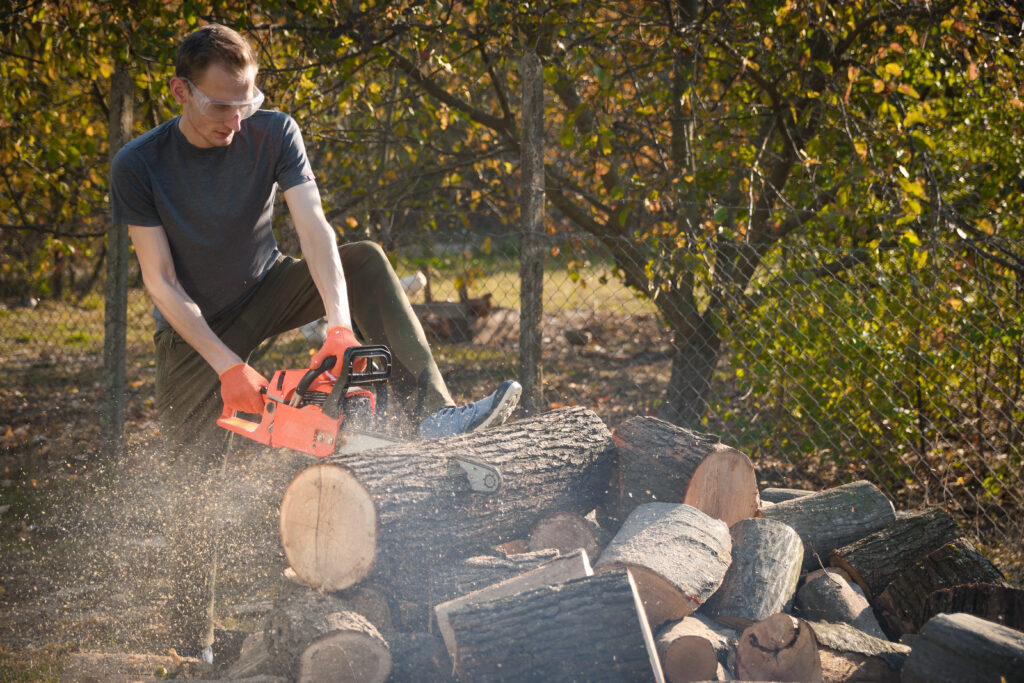
Myth 8: DIY Tree Removal Saves Money
Removing a tree is one of the most hazardous jobs around a home.
DIY removal can result in:
- Serious injury
- Property damage
- Damage to neighbouring properties
- Chainsaw accidents
- Insurance complications
Professional tree removal Melbourne uses specialised equipment, rigging systems, cranes, and experienced operators to complete the work safely.
The cost of repairing a mistake often exceeds the cost of hiring an experienced arborist.
Myth 9: Tree Stumps Don’t Need Attention
Leaving a stump behind may seem harmless.
Over time it can:
- Become a trip hazard
- Attract termites
- Encourage fungal growth
- Produce sucker growth
- Limit landscaping options
Professional Stump Grinding Melbourne removes the visible stump with minimal disruption to the surrounding landscape, making the area safer and easier to use.
Myth 10: Arborists Only Remove Trees
This couldn’t be further from the truth.
Tree removal is only one part of professional arboriculture.
Qualified arborists also provide:
- Tree Risk Assessments
- Arborist Reports
- Tree inspections
- Tree pruning
- Crown thinning
- Crown reduction
- Soil improvement advice
- Root management
- Tree preservation planning
- Storm damage assessments
In many cases, the primary goal is to preserve healthy trees rather than remove them.
Why Professional Advice Matters
Every tree is different.
Two trees of the same species may require completely different recommendations because of differences in:
- Health
- Structure
- Root condition
- Location
- Target occupancy
- Maintenance history
Professional arborists don’t rely on assumptions.
They assess evidence before recommending any course of action.
This approach protects both people and Melbourne’s urban forest.
Australian Standards and Best Practice
Qualified arborists work in accordance with recognised Australian Standards where appropriate.
AS 4373 – Pruning of Amenity Trees
Provides guidance for:
- Structural pruning
- Tree preservation
- Crown reduction
- Correct pruning methods
AS 4970 – Protection of Trees on Development Sites
Supports:
- Tree Protection Zones
- Root management
- Construction planning
- Tree retention
Using recognised standards helps ensure tree management decisions are consistent, evidence-based, and focused on long-term outcomes.
Real-World Example
A homeowner contacted Banyan Tree Care because they believed a large eucalyptus in their backyard had become dangerous simply because it was over 30 years old. They had been advised by an unqualified contractor that the tree should be removed immediately.
After completing a professional Tree Risk Assessment, our arborist found the tree was healthy, the trunk showed no signs of decay, and the root system remained stable. The only issue was several dead branches overhanging the garage.
Instead of recommending complete tree removal Melbourne, we carried out tree pruning Melbourne to remove the deadwood and reduce the weight of several large limbs. The tree remained healthy, continued providing shade, and the homeowner avoided the unnecessary cost of removing a mature tree.
On another property, a much smaller ornamental tree showed severe root decay caused by poor drainage. Although it looked healthy from a distance, the structural risk was high because it leaned towards the house. In that case, removal was the safest recommendation.
These examples demonstrate why experienced arborists assess the condition of each tree rather than relying on common assumptions.
Frequently Asked Questions
1. Are all large trees dangerous?
No. Many large trees remain structurally sound for decades. Size alone doesn’t determine risk.
2. Can a healthy-looking tree still fail?
Yes. Internal decay, root damage, and hidden structural defects may not be visible from the outside.
3. Is tree lopping recommended?
Professional arborists generally recommend proper pruning instead of aggressive tree lopping because it promotes better long-term tree health and structure.
4. Does every storm-damaged tree need removal?
No. Many storm-damaged trees can be managed successfully with professional pruning or structural support.
5. Can tree roots damage foundations?
They can contribute in certain situations, but the relationship depends on many factors including soil conditions, species, moisture levels, and building design.
6. Do I always need council approval to remove a tree?
Not always. Requirements vary between Melbourne councils, so it’s important to check local regulations before removing significant trees.
7. Is stump grinding necessary?
While not always mandatory, stump grinding improves safety, reduces pest risks, and makes future landscaping much easier.
8. Do arborists recommend removal for every tree with a defect?
No. Arborists typically consider pruning, cabling, monitoring, and other management options before recommending removal.
9. Is DIY tree removal safe?
Large tree removal is extremely hazardous and should only be carried out by trained professionals with the appropriate equipment and insurance.
10. What is the biggest misconception about tree removal?
Perhaps the most common misconception is that every tree showing signs of decline should be removed. In reality, many trees can be safely retained with the right arboricultural management.
Final Thoughts
Tree removal is rarely as straightforward as it appears. Many of the most common beliefs about trees are based on assumptions rather than arboricultural science. A large tree isn’t automatically dangerous, a healthy-looking tree isn’t always safe, and removal isn’t always the best solution. The right decision depends on a thorough assessment of the tree’s health, structure, location, and the level of risk it presents.
At Banyan Tree Care, we help homeowners, businesses, body corporates, schools, councils, builders, and developers make informed decisions through professional arborist services Melbourne, Tree Risk Assessments, Arborist Reports, tree pruning Melbourne, stump grinding Melbourne, and safe tree removal Melbourne where genuinely required. Our focus is always on providing practical, evidence-based advice that protects both people and valuable trees. If you’re unsure whether a tree on your property needs maintenance or removal, Contact Banyan Tree Care on 0432 277 627. We’ll provide a professional assessment, explain your options clearly, and recommend the most appropriate solution for your property and your trees.